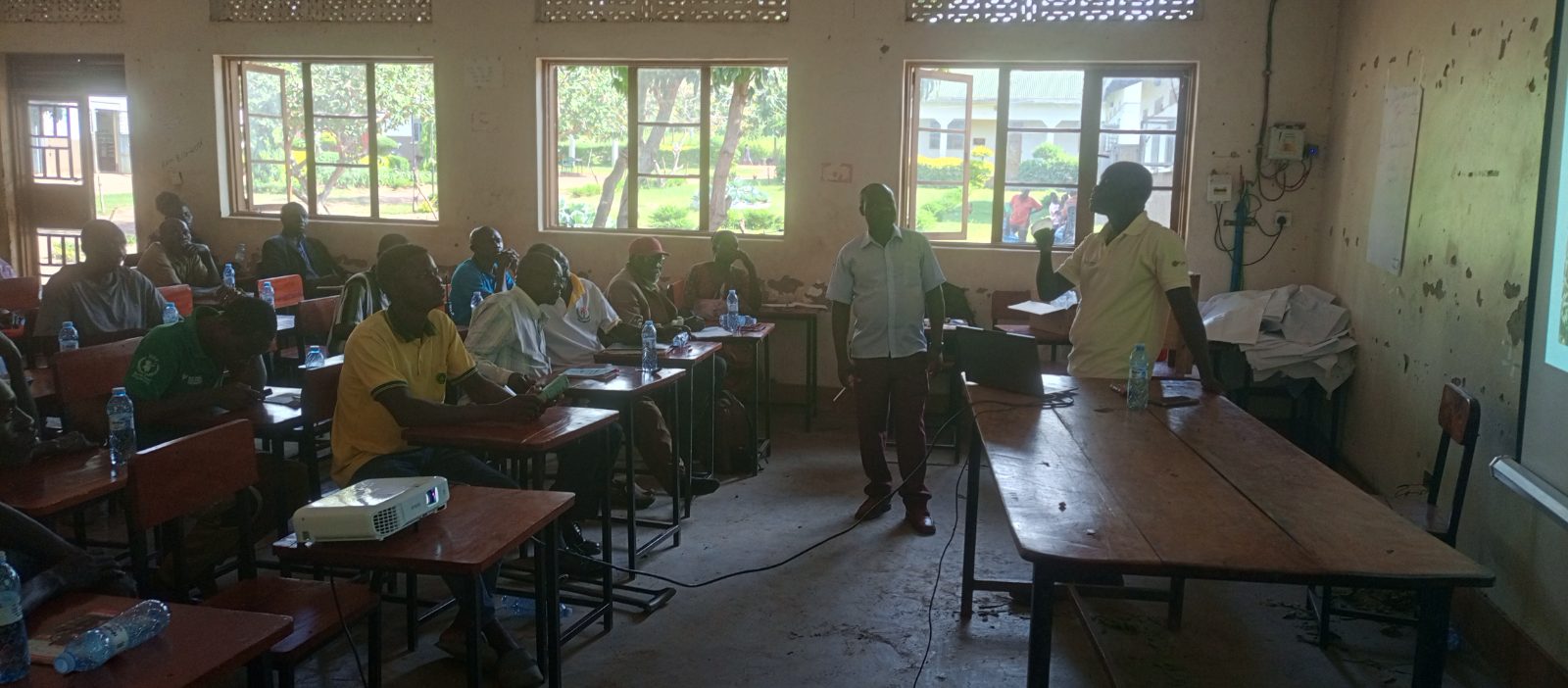
Koboko–Yumbe–Moyo Road Upgrade Set to Boost Trade, Agriculture and Investment Across West Nile
The 103.8-kilometre Koboko–Yumbe–Moyo road upgrade is expected to boost trade, agriculture and investment while strengthening economic connectivity with Arua City and neighbouring countries.

Founder & Chief Editor · 27 September 2026 · 3 min read
By Osmara Digital Media
West Nile, Uganda | September 27, 2026
The ongoing tarmacking of the 103.8-kilometre Koboko–Yumbe–Moyo road corridor is expected to transform economic activity across West Nile, improving trade connectivity, agricultural markets and investment opportunities in Koboko, Yumbe, Moyo and Arua City.
The upgrading of the strategic road from gravel to a bituminous surface marks a significant infrastructure development for the region, where businesses, farmers and travellers have for years faced transport difficulties associated with poor road conditions. The improved corridor is expected to strengthen economic links between the three districts and Arua City, a major commercial centre serving communities across West Nile and neighbouring areas.
Improved Transport to Support Businesses
The improved road infrastructure is expected to reduce travel times, vehicle maintenance expenses and transportation costs for businesses operating along the corridor. For traders transporting merchandise between Koboko, Yumbe, Moyo and Arua City, better road conditions could improve delivery schedules and reduce some of the additional expenses associated with rough and difficult roads. Koboko's position as a commercial centre near the borders with South Sudan and the Democratic Republic of Congo makes the corridor particularly important for regional trade.
Improved connectivity could strengthen the movement of merchandise from commercial suppliers in Arua City and Koboko to markets across West Nile, while supporting trade links with neighbouring countries. For transport operators, reduced exposure to rough road conditions could also help lower vehicle wear and tear, potentially improving the efficiency of freight and passenger services.
Farmers to Gain Access to Wider Markets
Agriculture is a major source of livelihoods across West Nile, with communities in Yumbe and Moyo engaged in the production of food crops and livestock. The upgraded corridor is expected to improve farmers' access to markets in Koboko, Arua City and other commercial centres, creating opportunities for agricultural produce to reach buyers more efficiently. Better transport conditions could also help reduce delays in moving perishable goods, improve links between farmers and produce traders, and encourage investment in agricultural storage, processing and distribution.
Arua City's role as a regional business and distribution centre could provide additional opportunities for farmers and agricultural traders to connect with wholesalers, retailers and other buyers. The road's economic significance extends beyond transportation, as reliable connectivity can support the development of value chains linking rural production areas with urban markets. For agricultural entrepreneurs, improved access to the four commercial centres could create opportunities to expand produce collection, trading and agro-processing businesses.
Refugee Settlements and Host Communities
The corridor also has economic significance for refugee-hosting communities, with its wider connectivity serving areas near settlements such as Bidibidi, Lobule and Palorinya. Improved road access is expected to facilitate the movement of supplies and services while strengthening links between refugee-hosting communities and surrounding commercial centres, including Arua City. Better connectivity could create opportunities for local suppliers, transporters, farmers and small businesses serving both refugee and host populations. The improved infrastructure may also support the delivery of humanitarian supplies and access to essential services, while providing a more reliable transport network for organisations operating in the region.
The Koboko–Yumbe–Moyo road upgrade forms part of the wider infrastructure development needed to strengthen economic integration across West Nile. By connecting three important districts and improving access to Arua City, the corridor is expected to improve the movement of goods and people, expand access to markets and create conditions that could attract private investment. Businesses in transport, agriculture, wholesale trade, logistics and related services stand to benefit from improved connectivity as the project progresses.
The ongoing works therefore represent more than a road construction project. They offer an opportunity to strengthen commercial relationships between communities, improve the movement of agricultural produce and support economic activity across the region.
As the corridor develops, the anticipated economic benefits will increasingly depend on how farmers, traders, local authorities and private investors utilise the improved road network to develop businesses and expand regional markets. For Koboko, Yumbe, Moyo and Arua City, the road project could mark an important step towards a more connected regional economy, with improved infrastructure supporting trade, agricultural development and livelihoods across West Nile.
Founder & Chief Editor
Founder and Chief Editor of Osmara Digital Media. Journalist and historian telling Africa's stories through an African lens, from West Nile to the continent.
Related stories
West Nile Cocoa Future Begins at Jabara: Farmers Trained to Turn the ‘Green Gold’ into Household Income

West Nile Districts Showcase Talent and Unity Through Football Tournament in South Sudan

Koboko Woman MP Aate Sharifah Taban Explores Development Partnerships to Boost Agriculture and Local Trade