Zambia After the Election: Hichilema Wins Again, But the Real Test Begins Now
President Hakainde Hichilema begins a second term facing pressure to turn Zambia’s economic recovery into jobs, better services and improved living standards.
Founder & Chief Editor · 21 August 2026 · 2 min read
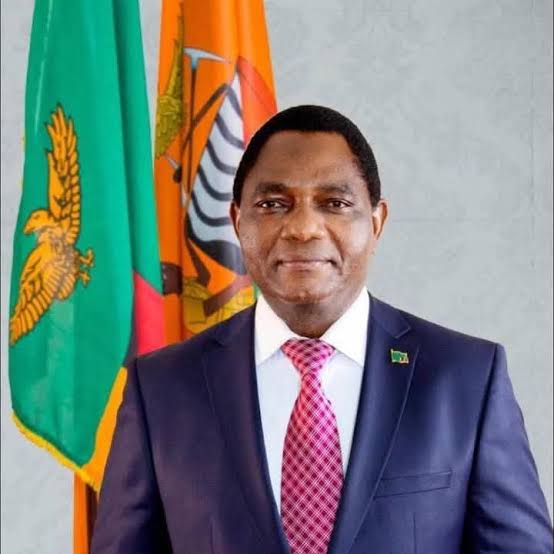
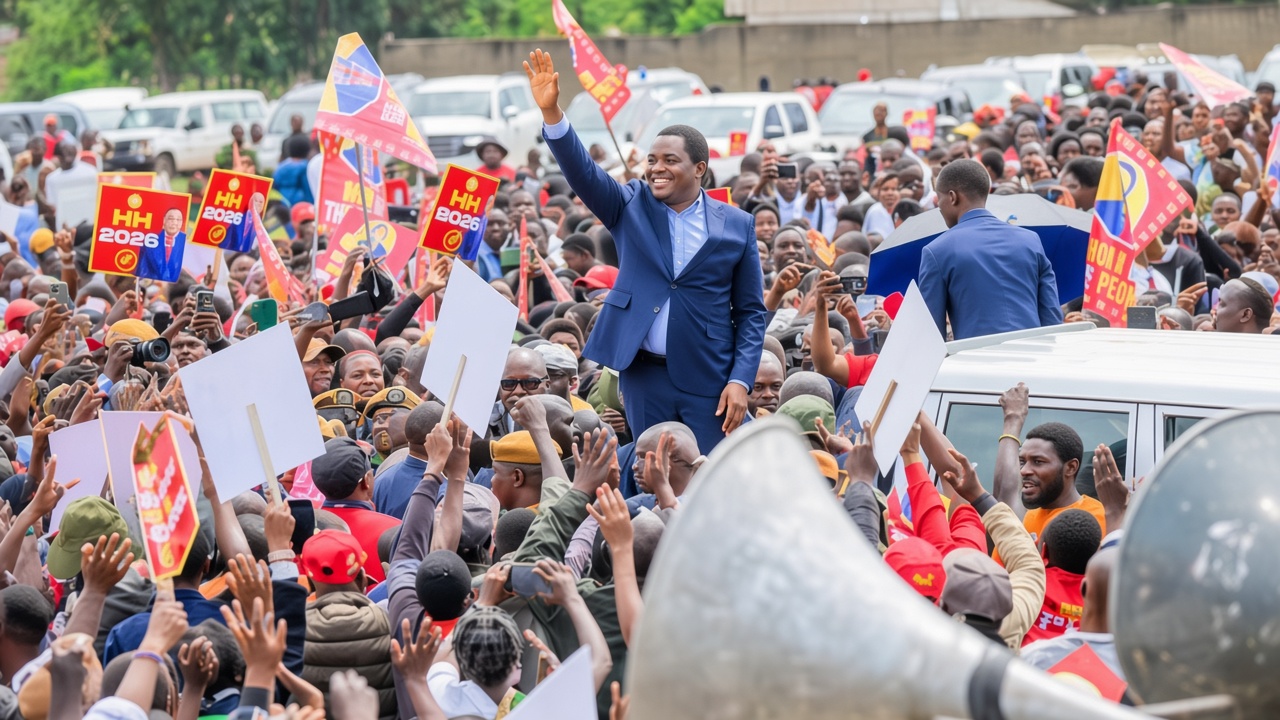
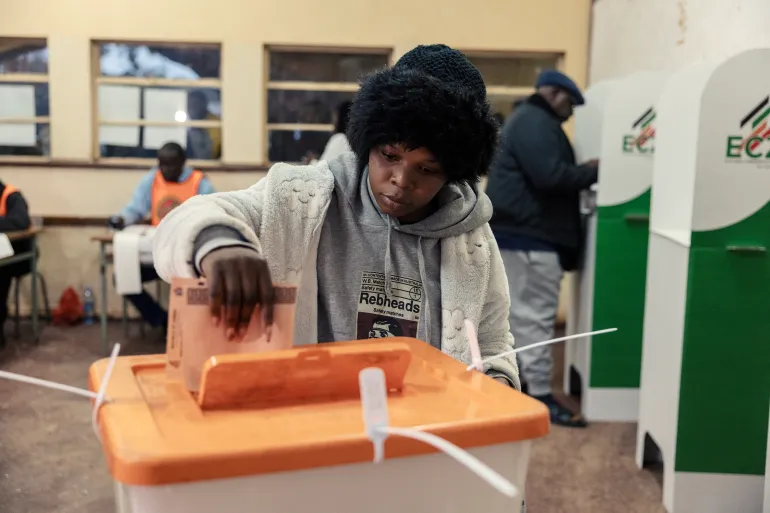
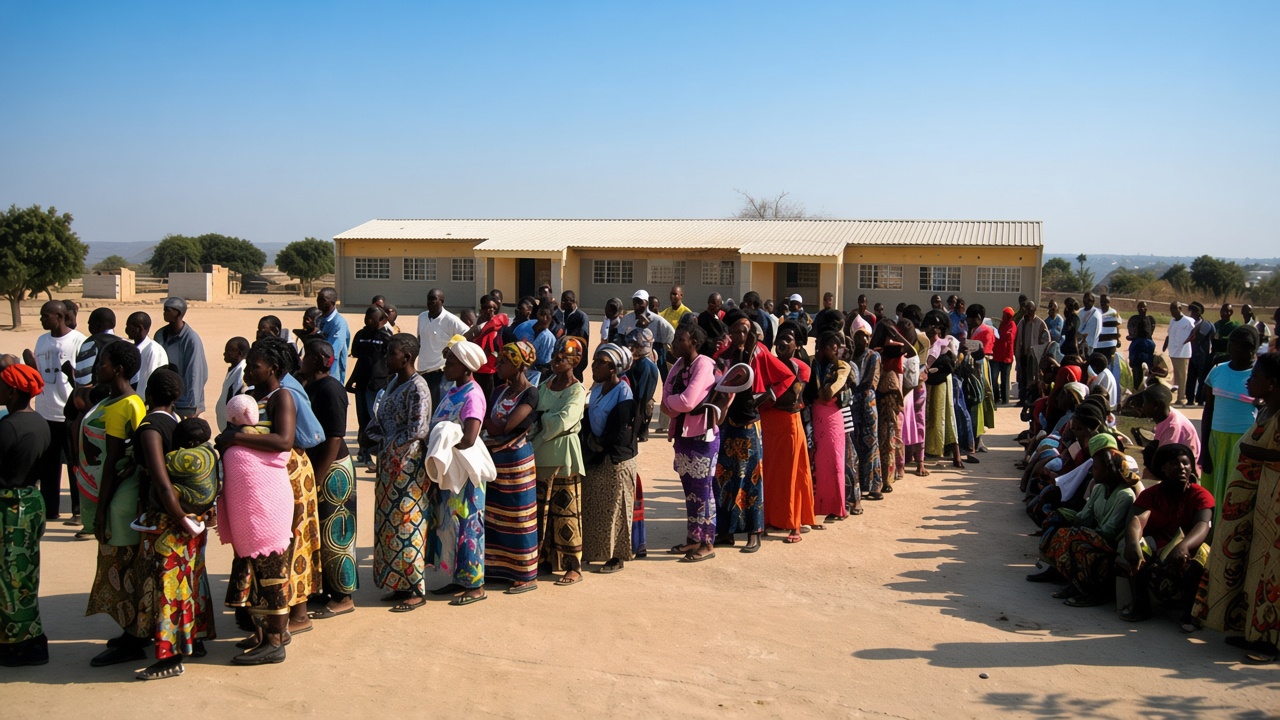
Zambia has entered a new political chapter after President Hakainde Hichilema secured a second term in the August 13, 2026 presidential election.
The Electoral Commission declared Hichilema the winner with about 60% of the vote, while his main challenger, Brian Mundubile, received about 38%. Mundubile has rejected the result and announced plans to challenge it in court, alleging serious irregularities in the electoral process.
For Hichilema, the victory represents a renewed mandate. But it also comes with greater expectations. When he first took office in 2021, Zambia was dealing with serious economic difficulties, including the aftermath of its sovereign debt default. His administration pursued debt restructuring and IMF-backed reforms, while seeking to attract investment and restore economic stability.
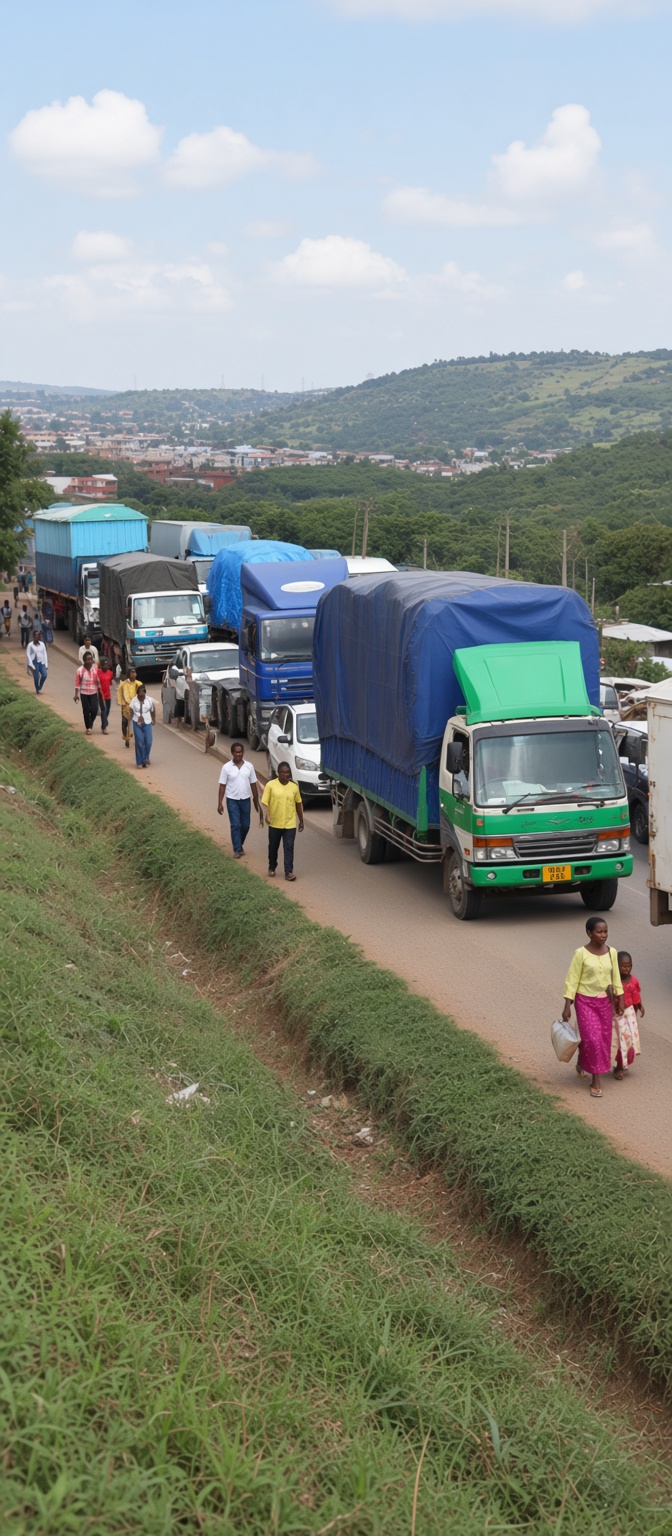
Now, voters are likely to judge the second term less by promises of recovery and more by whether that recovery improves their daily lives. From economic stability to ordinary people Zambia's economy has shown signs of improvement, but challenges remain. The country continues to face concerns over the cost of living, electricity supply, employment and household economic pressures.
The question confronting Hichilema is therefore simple but difficult: Can economic recovery translate into better living standards for ordinary Zambians? Investors are watching closely. Zambia is seeking to expand its mining sector, particularly copper production, with ambitions to dramatically increase output. Global demand for copper and other critical minerals gives the country an opportunity to attract investment and generate new revenues.
But greater mineral wealth will also raise questions about who benefits. For communities living around mining areas, the real measure of success will not only be export figures or foreign investment. It will be jobs, infrastructure, electricity, local businesses and improved public services.
The democracy test Hichilema's second term also brings a political challenge. The election has been followed by allegations of irregularities from the opposition. European Union observers raised concerns about transparency, procedural issues and unequal campaign conditions, while the opposition has said it will pursue a legal challenge.
Post-election tensions have added another layer to the country's political test. The United Nations human rights chief has expressed concern over arrests of opposition figures and called for respect for due process.
How the government responds could shape Zambia's democratic reputation during Hichilema's second term. Winning an election gives a president the authority to govern. How that authority is exercised determines the quality of democracy.
What Zambians will expect The second term will therefore be measured against practical expectations: more employment opportunities, reliable electricity, affordable living, stronger public services, greater investment and a mining sector that delivers broader benefits.
Hichilema has already won the ballot. Now comes the harder part — turning political support into visible improvements in people's lives. For Zambia, the post-election period should not simply be about who won and who lost. It should be about whether the country can consolidate its economic gains while protecting democratic institutions and ensuring that development reaches ordinary citizens.
Hichilema has won another term. But the real election begins now — the election of performance, accountability and delivery.
Founder & Chief Editor
Founder and Chief Editor of Osmara Digital Media. Journalist and historian telling Africa's stories through an African lens, from West Nile to the continent.