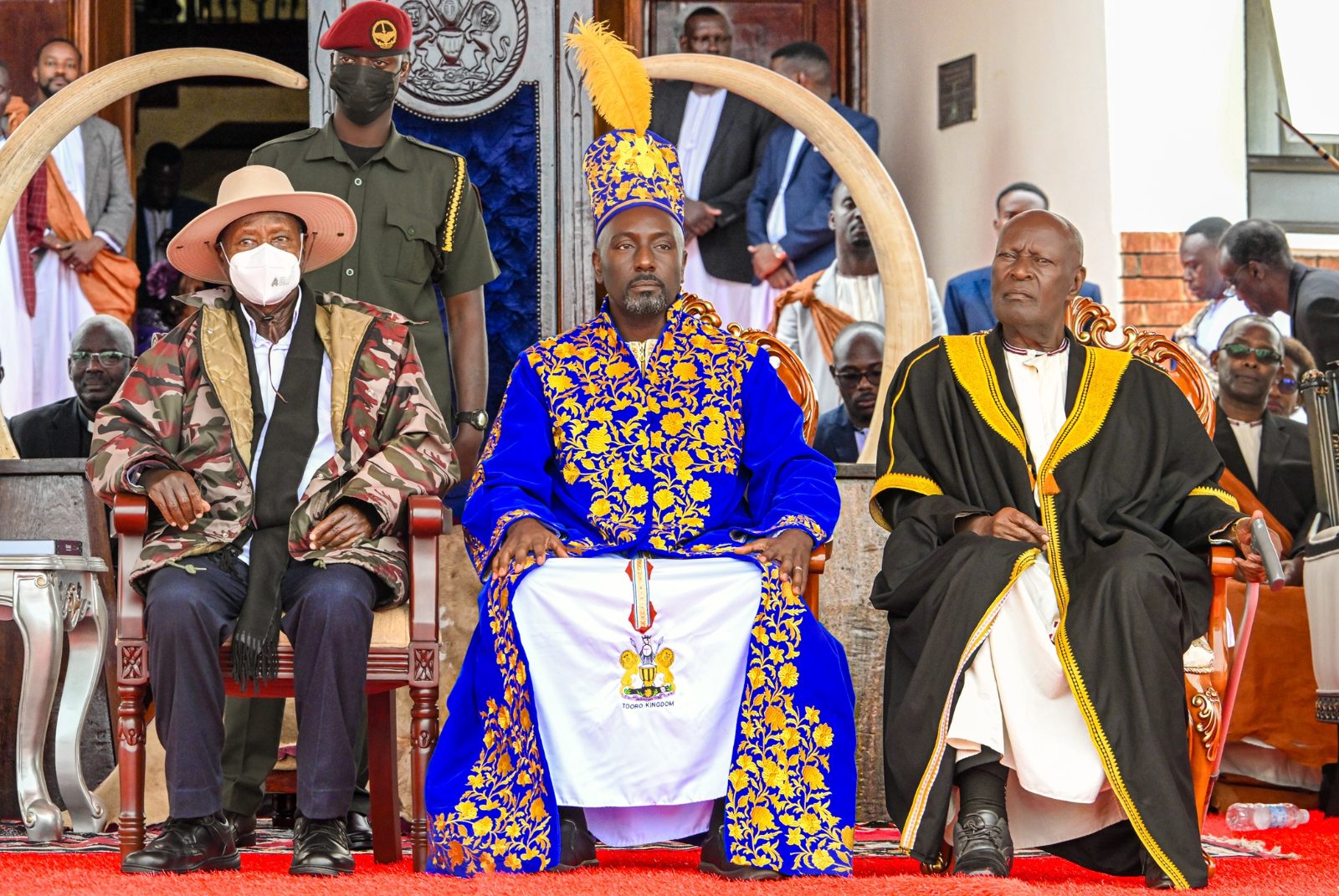
The Politician Who Calls Back: Celebrating Obiga Mario Kania’s Accessibility
Hon. Obiga Mario Kania’s habit of answering calls and returning missed calls offers a refreshing lesson in accessibility and public service.
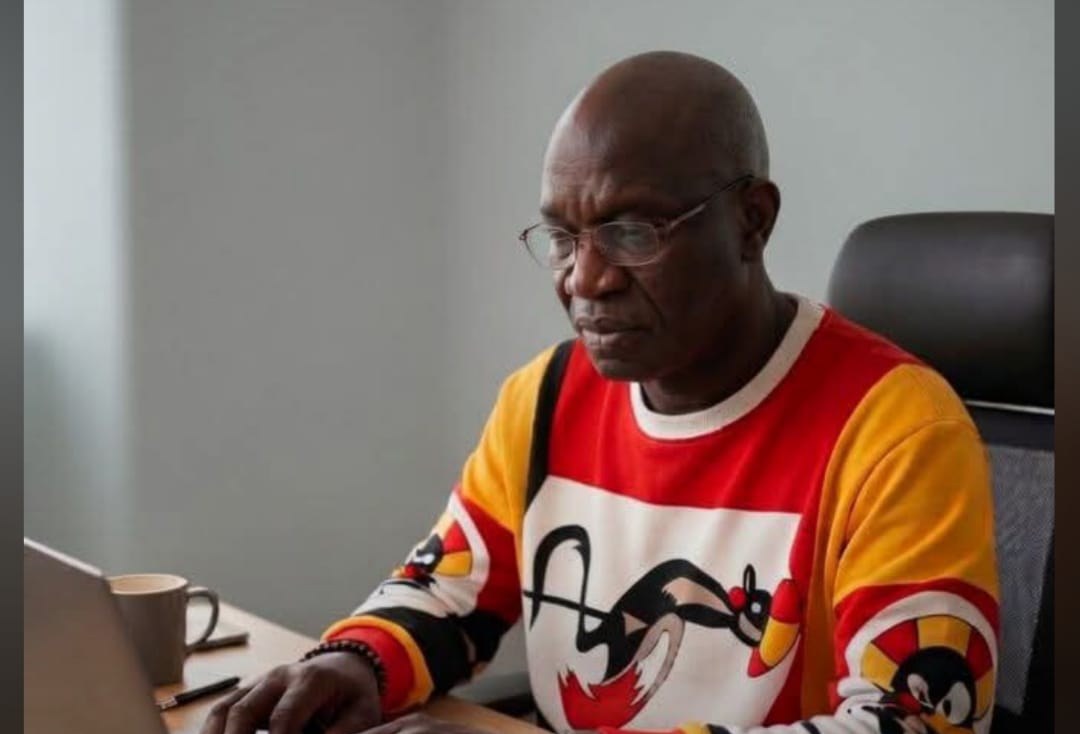
Founder & Chief Editor · 18 August 2026 · 4 min read
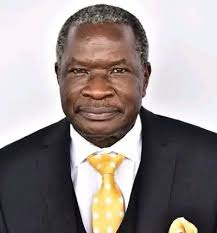
Good leadership is not always measured by the office one holds, the speeches one delivers or the projects one champions. Sometimes, it is reflected in something much simpler: answering a phone call, acknowledging a missed call and keeping a promise to call back.
As Hon. Obiga Mario Kania is no longer in elective politics after losing his parliamentary seat, there is one aspect of his public life that deserves to be remembered and celebrated: his accessibility.
For people who have dealt with him directly, Hon.Kania has demonstrated a simple but uncommon courtesy—he can pick up the phone even when he is extremely busy.
There have been occasions when a caller reaches him while he is in a Cabinet meeting. Rather than simply ignoring the call, he may answer briefly, explain that he is still in the meeting and say he will call back.
What makes the gesture meaningful is that he actually does. When he misses a call, he has also been known to return it.
It is a small habit, but in public life, small habits can leave a lasting impression.
The value of being reachable Public officials have demanding schedules. Ministers attend Cabinet meetings, MPs sit in Parliament and committees, while political leaders juggle official duties, meetings and engagements.
No reasonable person expects a busy public official to answer every call.
The important question is what happens when the call cannot be answered. A simple message or a returned call can make the difference between a citizen feeling ignored and feeling respected.
Hom.Kania's approach offers precisely that lesson. If he cannot talk, he communicates it. If he misses the call, he can return it. If he promises to call back, the caller can reasonably expect the phone to ring later.
For the person on the other end, that says something powerful: “I may be busy, but I have not forgotten you.” A quality worth remembering after office.
Political careers come and go. Parliamentary seats change hands. Ministers leave Cabinet. New MPs arrive with new ambitions, new priorities and new approaches to leadership.
But the personal qualities that people experience directly often remain in their memories long after an elected term has ended.
Kania's accessibility is one of those qualities. He may no longer be an MP, but his willingness to engage with people through something as basic as a telephone call is a character trait worth documenting.
It is also a reminder that public service is not only about what happens inside Parliament or Cabinet. Sometimes, it is about how a leader treats the individual who calls. A lesson for the new MPs As a new generation of MPs begins its parliamentary journey, Kania's example offers a simple lesson in accessibility.
Being elected should not mean becoming unreachable.
An MP cannot answer every call. There will always be meetings, parliamentary sessions, constituency engagements and moments when the phone simply cannot be picked up.
But being unavailable at one moment does not have to mean being inaccessible altogether.
Answer when you can. Explain when you cannot. Return the call when you have promised to do so. That simple approach can build trust without costing anything.
For some new MPs, the transition into public office can create distance between them and the people who helped put them there. Phones may go unanswered, missed calls may not be returned and citizens can sometimes feel that their leaders have become too important to reach.
Kania's example demonstrates that holding high office and remaining accessible do not have to be mutually exclusive.
Celebrating the positive
Osmara Digital Media believes journalism should document the full human story of public figures.
That means reporting criticism and controversy when necessary, but it also means recognising positive qualities when they are evident.
Celebrating one positive character trait does not mean suggesting that a public figure is perfect or beyond scrutiny.
Kania, like any other public figure, can be examined on his political record, decisions and performance.
But those conversations should not prevent society from acknowledging qualities that deserve recognition.
Sometimes, good things should be said about people after they leave office—not only while they are in power. And in Kania's case, accessibility is one of them.
The human side of leadership Politics can easily create distance. Official vehicles, security, meetings, titles and responsibilities can make ordinary citizens feel that their leaders are far removed from them. A simple telephone call can break through that distance. There is something reassuring about calling a senior public official and hearing him say, “I am in a Cabinet meeting; I will call you back.” And then, later, the phone rings. It is the leader calling back.
That interaction may never appear in a parliamentary record or government report. Yet for the person who received that call, it can be more memorable than a political speech. As Obiga Mario Kania moves beyond his time as an elected MP, this is one part of his public character that deserves to be remembered. Leadership is not only about being heard. It is also about being available to listen. And sometimes, leadership begins with something as simple as picking up the phone.
Founder & Chief Editor
Founder and Chief Editor of Osmara Digital Media. Journalist and historian telling Africa's stories through an African lens, from West Nile to the continent.
Related stories
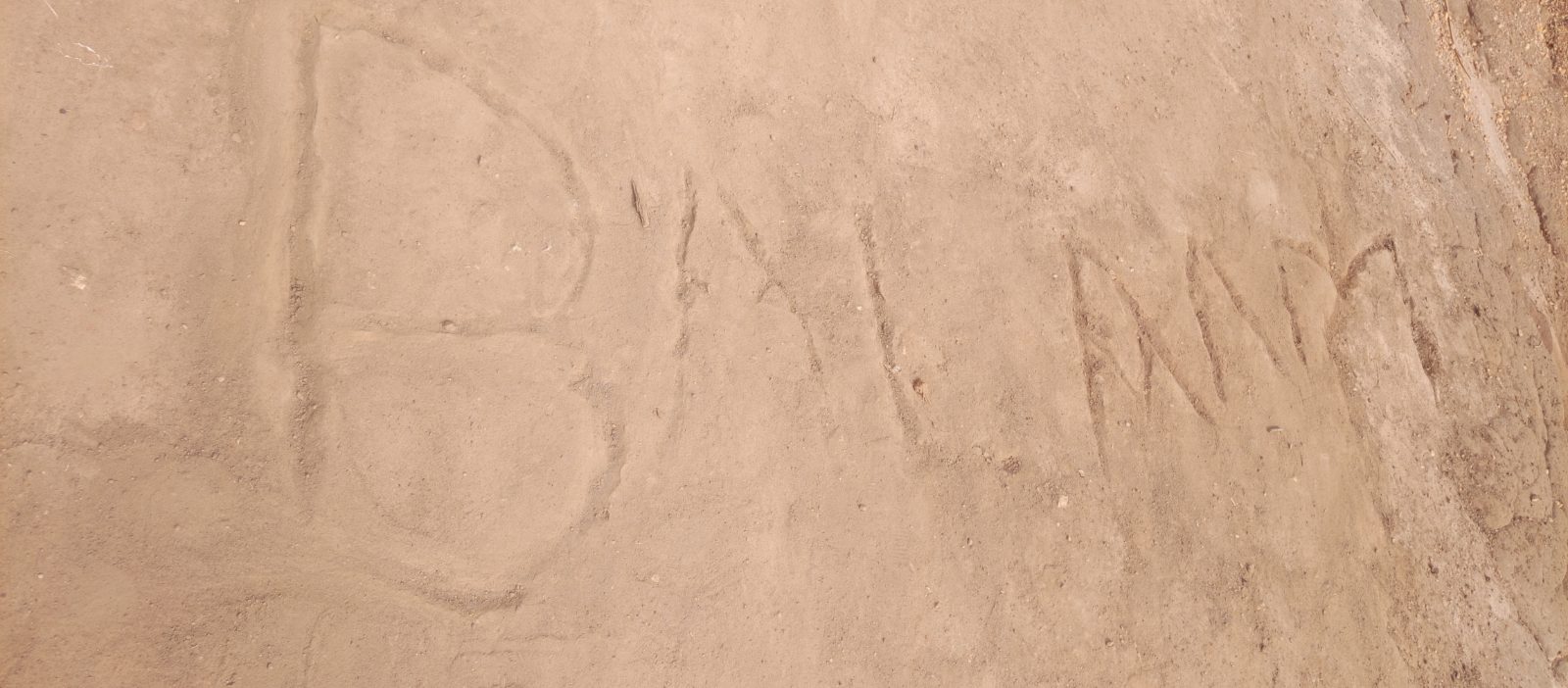
Balaam’s Name All Over the Sand: The Powerful Message Children Are Sending to Corrupt Leaders

Ghana Merit Awards 2026 Honour West Nile’s Own Benard Feni and Mungu Feni Foundation
Koboko Mourns a Pioneer: The Political Legacy of George Ambe from Arua District to Koboko