Kenya’s 2027 Election Race: The Alliances, Players and Issues Shaping the Next Contest
Kenya’s road to the 2027 General Election is already witnessing political realignments, emerging alliances and growing public debate over the economy, leadership and the future direction of the country.

Founder & Chief Editor · 7 August 2026 · 3 min read
By Osmara Digital Media
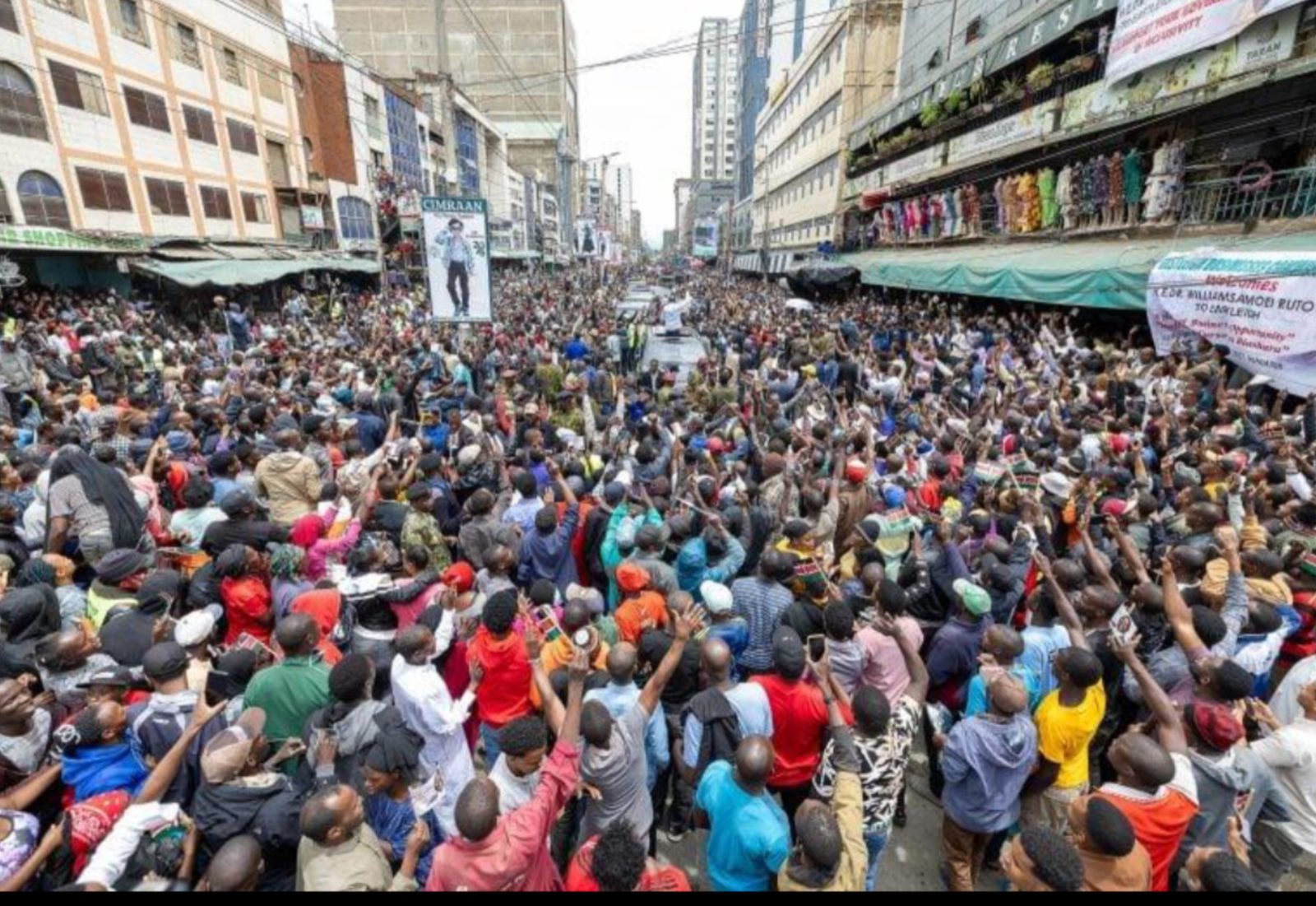
Kenya’s political landscape is entering a new phase as the country prepares for the 2027 General Election, a contest expected to redefine national leadership and influence the future direction of East Africa’s largest economy.
Although the election is still ahead, political activity has intensified, with leaders building networks, strengthening grassroots support and preparing possible alliances that could determine the outcome of the race. The contest is expected to focus not only on personalities but also on major national issues affecting millions of Kenyans, including the cost of living, employment opportunities, taxation, public debt, healthcare, education and economic growth.
The Alliance Game Kenya’s elections have historically been shaped by political coalitions, and the 2027 race is unlikely to be different. Leaders are expected to seek partnerships across regions and communities as they attempt to build broad national support.
The ability to form alliances that cross traditional political boundaries will remain a key factor. Kenya’s political history shows that presidential victories often depend on coalition-building, regional balance and the ability to connect with diverse voter groups. Political parties and movements are likely to spend the coming months strengthening grassroots structures while negotiating partnerships ahead of the campaign period.
President Ruto’s Political Test President William Ruto will face the challenge of seeking another mandate while defending his administration’s record. His government has focused on economic transformation, agriculture reforms, housing initiatives, digital services and efforts to increase government revenue.
However, his administration has also faced public criticism over taxation measures, rising living costs and economic pressures experienced by ordinary citizens.
The 2027 election will provide voters an opportunity to judge whether government policies have improved livelihoods and created meaningful opportunities.
Opposition Strategy Opposition leaders are expected to focus on issues of accountability, economic hardship and governance. The ability of opposition parties to unite around a common message and candidate could significantly influence the competitiveness of the election.
Kenya’s opposition has historically faced challenges related to coalition unity, leadership competition and regional interests. How these issues are managed will be critical as the country approaches 2027.
The Youth Factor Young voters are expected to play a decisive role in the next election. With a large youthful population, issues such as jobs, entrepreneurship, digital opportunities and education are likely to dominate political discussions. Many young Kenyans are increasingly demanding practical solutions rather than traditional political promises. The ability of political leaders to connect with young voters through policies and credible programmes could determine the direction of the election.
Economy at the Centre Beyond political alliances, the economy is expected to be the biggest issue of the 2027 contest. Kenyans continue to face concerns over household expenses, employment, business challenges and access to opportunities. Candidates will likely present competing visions on how to grow the economy, support small businesses, attract investment and improve living standards.
Regional Impact Kenya’s election will attract attention beyond its borders because of the country’s strategic role in East Africa.
As a major economic, diplomatic and security partner in the region, Kenya’s political direction affects trade, regional integration, peace efforts and relations with neighbouring countries including Uganda, Tanzania, South Sudan, Rwanda and Ethiopia. A Defining Political Moment The 2027 General Election is shaping up to be more than a competition for political power. It will be a test of leadership, public trust and the ability of political actors to respond to the changing expectations of Kenyan citizens. As alliances develop and campaigns take shape, the central question will remain: Who can offer a convincing vision for Kenya’s future?
Founder & Chief Editor
Founder and Chief Editor of Osmara Digital Media. Journalist and historian telling Africa's stories through an African lens, from West Nile to the continent.
Related stories
Zambia Votes as Polls Open at 6:00 a.m. in High-Stakes Presidential Election
Zambia Voting Underway as 8.78 Million Registered Voters Head to Polls
Zambia Goes to the Polls Tomorrow as Hichilema Seeks Second Term