Will Uganda's Petroleum Industry Deliver Shared Prosperity?
Oil and Opportunity:

Founder & Chief Editor · 25 July 2026 · 2 min read
By OSMARA DIGITAL MEDIA – Africa in Focus For decades, Uganda's vast oil reserves have been viewed as a potential game-changer capable of transforming the country's economy. With commercial oil production expected to begin after years of exploration, infrastructure development, and investment, the nation now stands at a defining moment. The key question is no longer whether Uganda has oil, but whether its petroleum wealth will translate into lasting prosperity for all citizens. The oil sector has attracted billions of dollars in investment, with major infrastructure projects including the East African Crude Oil Pipeline (EACOP), the Tilenga and Kingfisher oil fields, and a refinery project expected to create thousands of jobs and stimulate economic growth. Roads, airports, and other supporting infrastructure have already been developed in the Albertine Graben, where most of Uganda's oil reserves are located. Government officials argue that oil revenues will strengthen public finances, support industrialisation, improve healthcare and education, and finance critical infrastructure. If managed effectively, petroleum income could accelerate Uganda's journey toward middle-income status while creating opportunities for local businesses and entrepreneurs. However, many Ugandans remain cautious. Across Africa, the discovery of oil has often brought both opportunity and disappointment. Concerns over corruption, environmental degradation, land compensation, and unequal distribution of wealth continue to dominate public debate. Communities living in oil-producing regions want assurances that they will benefit directly through jobs, improved services, and fair compensation where land has been acquired. Environmental groups have also raised concerns about the potential impact of oil extraction and pipeline construction on biodiversity, water resources, and local livelihoods. Balancing economic development with environmental protection remains one of Uganda's greatest challenges as production nears. Experts argue that transparency, strong institutions, and prudent management of oil revenues will determine whether Uganda avoids the so-called "resource curse" that has affected several resource-rich nations. Investment in agriculture, manufacturing, education, and technology will be essential to ensure oil wealth supports long-term development rather than creating dependence on a single resource. Uganda's petroleum industry represents more than an energy project—it is a test of governance, accountability, and national planning. The decisions made today will shape the country's economic future for generations. As Africa watches, Uganda has a rare opportunity to demonstrate that natural resources can become a foundation for inclusive growth rather than a source of division. Whether the promise of oil delivers shared prosperity will depend not only on production volumes, but on leadership, transparency, and a commitment to ensuring that every Ugandan shares in the nation's wealth. OSMARA DIGITAL MEDIA – Africa in Focus: Bringing Africa's stories into focus through balanced, insightful, and impactful journalism.
Founder & Chief Editor
Founder and Chief Editor of Osmara Digital Media. Journalist and historian telling Africa's stories through an African lens, from West Nile to the continent.
Related stories
BEYOND THE SPECULATION: JANET MUSEVENI’S RETURN, RECOVERY AND MESSAGE OF THANKSGIVING
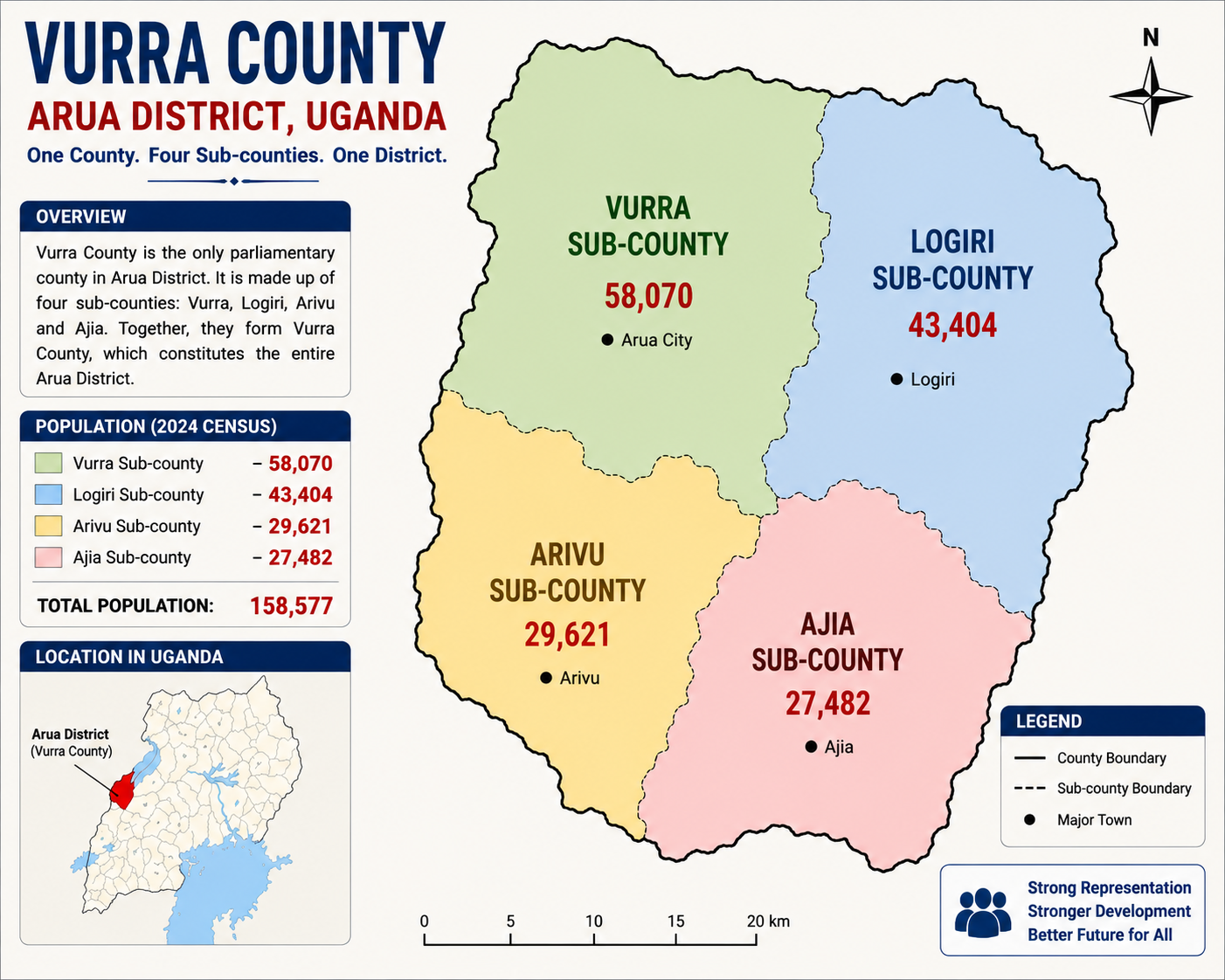
Arua’s One-County Question: Is Vurra’s Political Structure Ready for the Future?