West Nile Rising:
How One Region Could Redefine Regional Integration in Africa
Founder & Chief Editor · 24 July 2026 · 3 min read
By OSMARA DIGITAL MEDIA- Africa in Focus
For many years, Uganda’s West Nile sub-region has been viewed mainly as a remote border area shaped by conflict, displacement and economic challenges. But a new chapter is emerging — one defined by trade, investment, innovation and regional cooperation. West Nile is no longer just a borderland. It is becoming a strategic gateway connecting East and Central Africa, with the potential to play a major role in Africa’s economic transformation. Located in north-western Uganda, West Nile shares borders with South Sudan and the Democratic Republic of Congo (DRC), placing it at the centre of important regional trade routes. Its location gives it a unique advantage as Africa seeks to strengthen intra-African trade through the African Continental Free Trade Area (AfCFTA). The region’s commercial hub, Arua City, has continued to grow as a centre for business and cross-border exchange. Traders from Uganda, South Sudan and the DRC interact daily, moving agricultural products, consumer goods and services across borders.
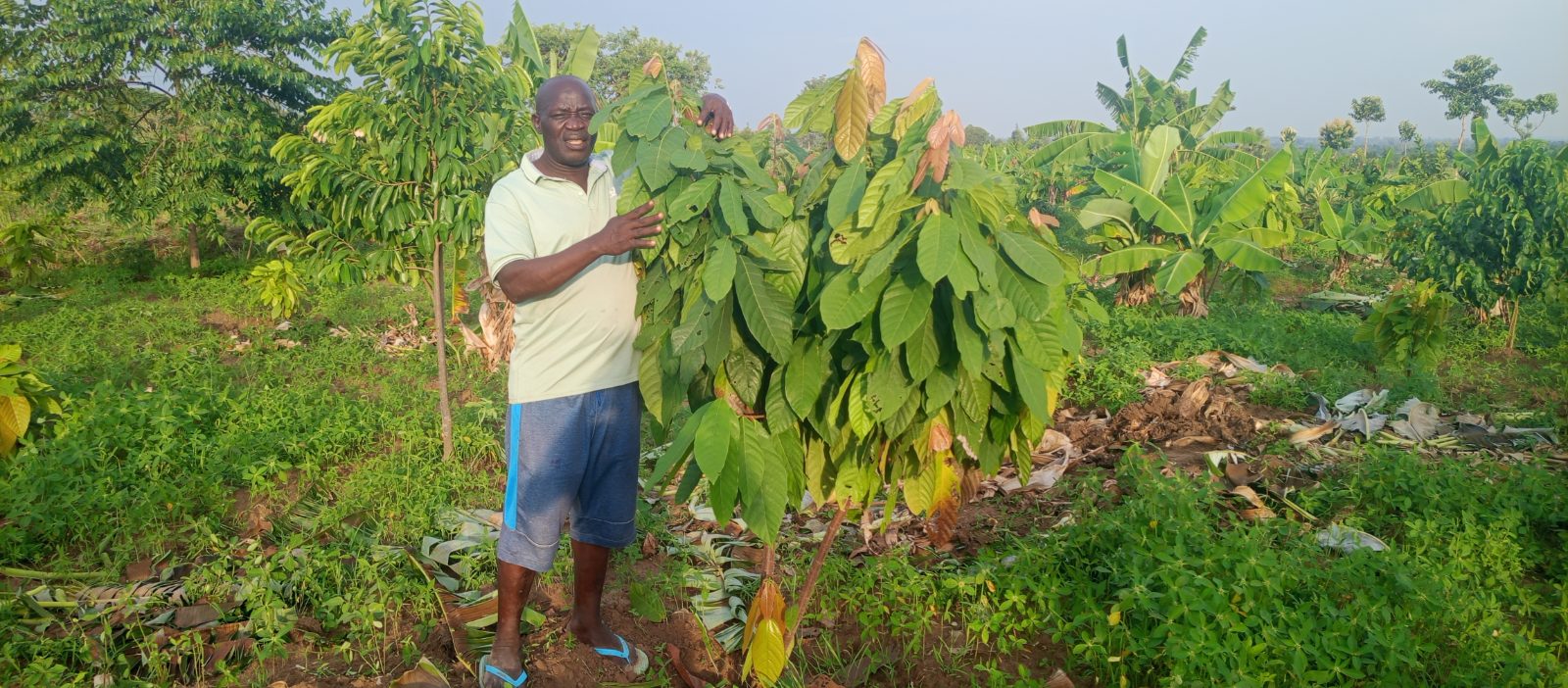
This growing economic activity shows the possibility of a bigger future — a West Nile that becomes a regional business and logistics hub. However, unlocking this potential requires deliberate investment. The region still faces challenges including limited industrialisation, unemployment, inadequate infrastructure and low levels of value addition. Agriculture remains one of West Nile’s greatest economic opportunities. The region has fertile land and produces crops such as cassava, maize, beans, sesame, coffee and cocoa. With improved farming technologies, processing industries and better market connections, West Nile could contribute significantly to Africa’s food security. The development of transport infrastructure will also determine the region’s future. Better roads, bridges, air transport and digital networks can reduce the cost of doing business and attract investors. A connected West Nile would strengthen trade between Uganda, South Sudan and the Democratic Republic of Congo. Beyond economics, West Nile carries an important story of resilience. Once affected by insecurity and instability, communities in the region are now embracing entrepreneurship, education and development as tools for transformation.
The region’s experience hosting refugees also offers lessons for Africa. While refugee movements have created pressure on resources and public services, they have also demonstrated the importance of inclusive development, where host communities and refugees can both benefit from economic opportunities. At the centre of West Nile’s transformation is its young population. The region has thousands of energetic young people who can become entrepreneurs, skilled workers and innovators if given access to quality education, vocational training and employment opportunities.
The question facing West Nile is no longer whether it has potential, but whether the right investments and partnerships will be made to turn that potential into reality. For Africa, the story of West Nile represents a bigger lesson: border regions should not be seen as places at the edge of development. They can become bridges connecting countries, markets and people. As Africa moves towards greater integration, places like West Nile could become important engines of growth, peace and cooperation. The future of African trade may not only be shaped in major capitals. It may also be shaped in regions where borders meet, cultures connect and opportunities are waiting. West Nile is rising — and Africa should pay attention. OSMARA DIGITAL MEDIA Africa in Focus
Founder & Chief Editor
Founder and Chief Editor of Osmara Digital Media. Journalist and historian telling Africa's stories through an African lens, from West Nile to the continent.
Related stories

BEYOND THE SPECULATION: JANET MUSEVENI’S RETURN, RECOVERY AND MESSAGE OF THANKSGIVING
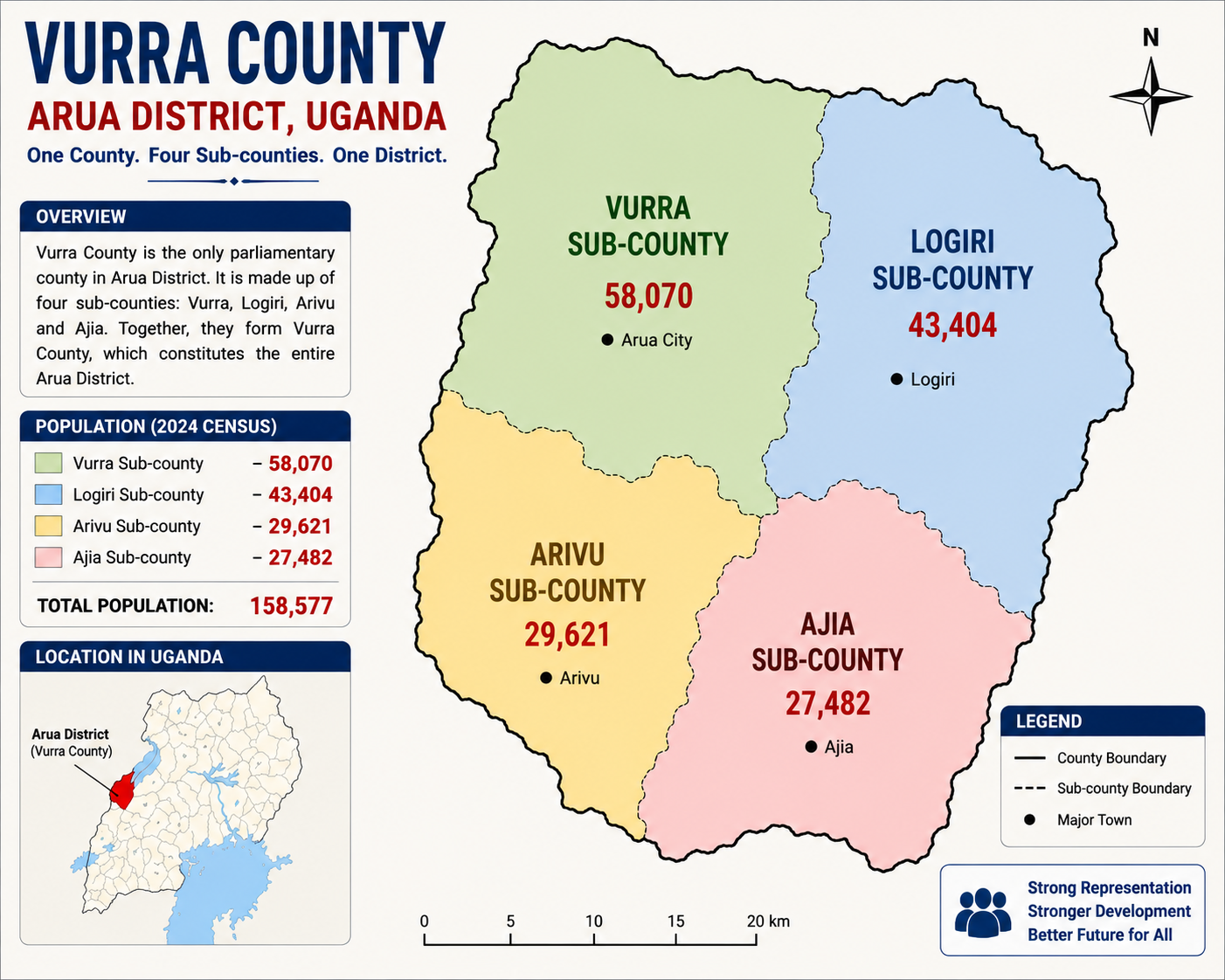
Arua’s One-County Question: Is Vurra’s Political Structure Ready for the Future?