From Borderland to Business Hub: Why Africa Should Watch West Nile

Founder & Chief Editor · 24 July 2026 · 2 min read
By Osmara Digital Media/Africa in Focus
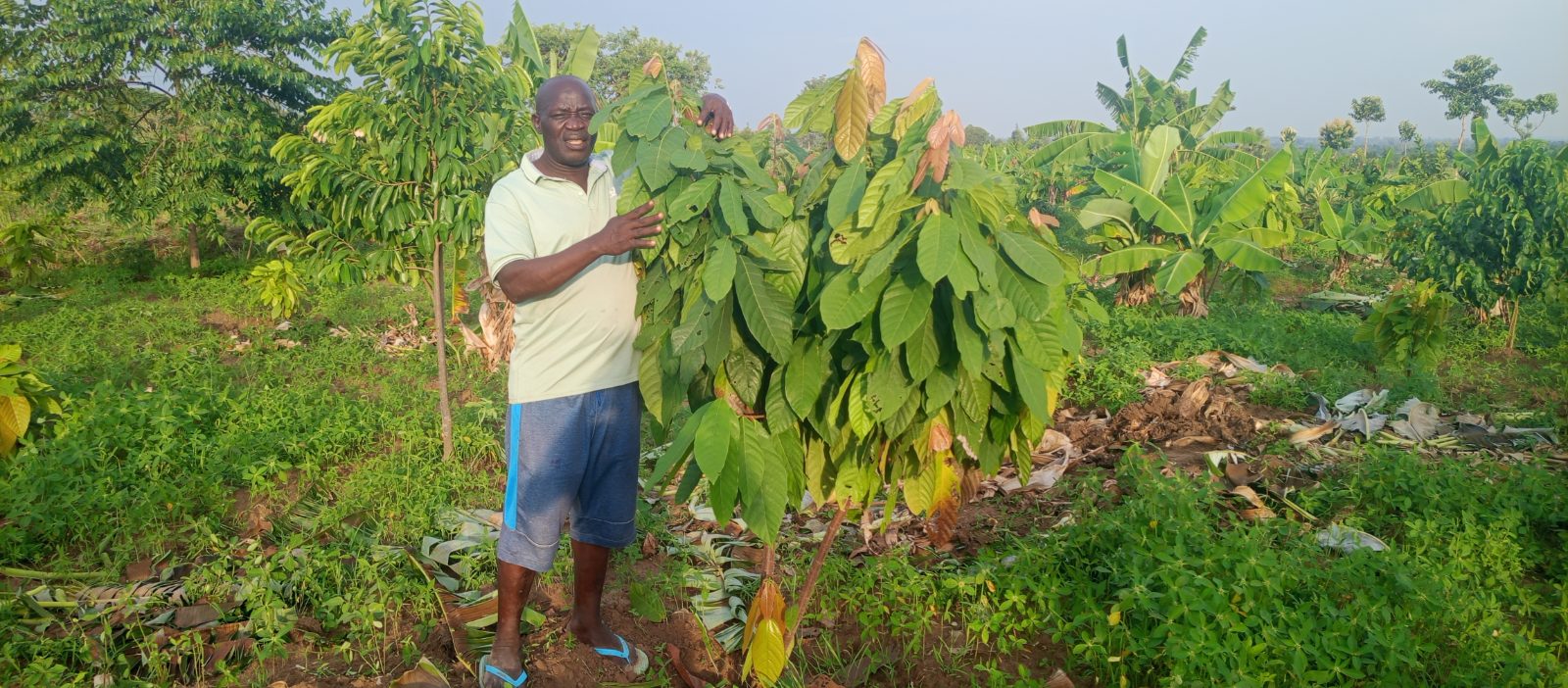
For decades, Uganda's West Nile sub-region has been viewed primarily as a remote borderland, often associated with conflict, refugee movements and underdevelopment. Yet beneath this outdated image lies a region with enormous economic potential that could reshape trade and regional integration across East and Central Africa. Bordering South Sudan and the Democratic Republic of the Congo, West Nile occupies one of Africa's most strategic geographical positions. It serves as a gateway connecting Uganda to two large neighbouring markets, making it an ideal centre for cross-border trade, logistics and investment. Every day, trucks carrying agricultural produce, manufactured goods and consumer products pass through the region, highlighting its growing commercial importance. Agriculture remains the backbone of West Nile's economy. Farmers produce cassava, maize, beans, sesame, tobacco, coffee and an increasing amount of cocoa. With better access to financing, value addition and modern farming technologies, the region could become a major supplier of food and cash crops not only for Uganda but also for neighbouring countries facing food shortages. Infrastructure development is beginning to transform the region. Improvements in road networks and planned investments in transport facilities are expected to reduce the cost of doing business and improve connectivity with national and regional markets. Better infrastructure will attract investors, encourage tourism and stimulate industrial growth. West Nile is also home to one of Africa's largest refugee populations. While this presents humanitarian challenges, it has also created opportunities for innovation in refugee integration, trade and entrepreneurship. Local communities and refugees increasingly participate in shared markets, creating new business opportunities and strengthening regional economic ties. The region's youthful population is another important asset. Thousands of young people are entering the labour market each year. If equipped with quality education, vocational training and access to entrepreneurship opportunities, they could become a driving force behind economic transformation. However, significant challenges remain. Poverty, youth unemployment, inadequate industrialisation, limited access to finance and climate-related shocks continue to slow progress. Addressing these issues will require coordinated investment by government, development partners and the private sector. West Nile's transformation is not only important for Uganda. It offers valuable lessons for Africa on how border regions can become engines of growth instead of zones of instability. By investing in trade, infrastructure, agriculture and human capital, countries can turn borders into bridges that promote peace, prosperity and regional integration. As Africa accelerates implementation of the African Continental Free Trade Area (AfCFTA), regions like West Nile will become increasingly important. Their ability to connect markets, facilitate commerce and foster cross-border cooperation will determine how effectively the continent achieves economic integration. The story of West Nile is changing. No longer just a borderland, it is steadily emerging as a business hub with the potential to influence trade and development across Africa. The continent should pay attention because the next success story in African regional integration may well begin in Uganda's West Nile.
Founder & Chief Editor
Founder and Chief Editor of Osmara Digital Media. Journalist and historian telling Africa's stories through an African lens, from West Nile to the continent.
Related stories

BEYOND THE SPECULATION: JANET MUSEVENI’S RETURN, RECOVERY AND MESSAGE OF THANKSGIVING
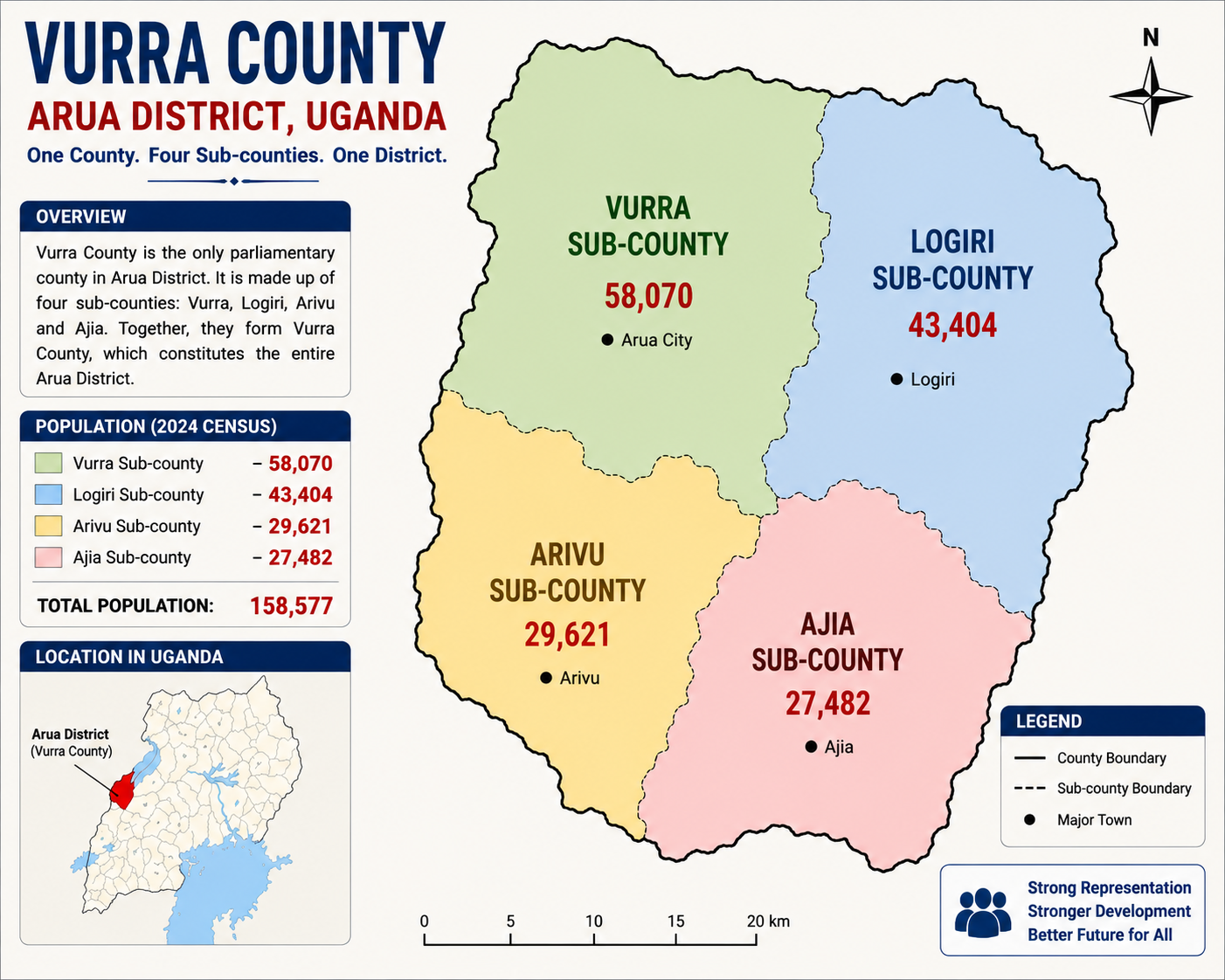
Arua’s One-County Question: Is Vurra’s Political Structure Ready for the Future?