Can South Sudan Find Lasting Peace?
The Nation That Won Freedom but Still Searches for Stability
Founder & Chief Editor · 24 July 2026 · 2 min read
On 9 July 2011, South Sudan celebrated independence with enormous hope. After decades of struggle against marginalisation and civil war, citizens believed a new chapter had begun. The world's newest country was expected to use its vast natural resources, fertile land, and young population to build a prosperous future. But the promise of independence has been overshadowed by years of political rivalry, armed conflict, and humanitarian emergencies. Today, South Sudan remains a nation searching for the peace its people sacrificed so much to achieve. Political Rivalry and the Challenge of Nation-Building One of the biggest challenges facing South Sudan has been the struggle to build strong institutions capable of managing political differences peacefully.
The rivalry between President Salva Kiir Mayardit and opposition leader Riek Machar became a major factor in the country's civil war that began in 2013. Although peace agreements have brought periods of calm, disagreements over power-sharing, elections, security arrangements, and governance continue to create uncertainty. Communities Paying the Price Beyond national politics, many South Sudanese communities face insecurity caused by local conflicts. Disputes over cattle, land, water resources, and revenge attacks have affected several states. For rural families, insecurity can mean losing livestock, abandoning farms, and escaping to safer areas. This weakens food production and increases dependence on humanitarian assistance. The Shadow of the Sudan War The conflict in neighbouring Sudan has added another layer of pressure. South Sudan has experienced an influx of refugees and returnees fleeing violence, putting additional pressure on already limited resources. The instability in Sudan also threatens South Sudan's economy because the country depends heavily on oil exports transported through Sudanese territory. Youth: A Generation Waiting for Opportunity South Sudan has one of Africa's youngest populations, but many young people face unemployment, limited education opportunities, and the risk of being drawn into armed groups. Many analysts believe that empowering youth through education, vocational training, agriculture, and entrepreneurship is critical for breaking the cycle of violence. Could South Sudan Become an Economic Powerhouse? Despite its challenges, South Sudan has enormous potential. The country has: Large oil reserves. Vast agricultural land. Rich water resources from the Nile system. A strategic location linking East and Central Africa. With peace and effective governance, South Sudan could become a major contributor to regional trade and food security. The Role of Africa in Finding Solutions The South Sudan crisis is not only a national issue; it is an African challenge. Regional organisations, including the Intergovernmental Authority on Development, have played a role in mediation efforts. Africa's experience shows that peace agreements must be followed by genuine reconciliation, justice, and economic development. Final Reflection: The Future Is Still Possible South Sudan's journey is not only a story of conflict; it is also a story of resilience. Millions of citizens continue to dream of a peaceful country where children can attend school, farmers can cultivate their land, and communities can live without fear. The biggest question remains: Will South Sudan's leaders seize the opportunity to build the peaceful nation that independence promised, or will the cycle of insecurity continue? Osmara Digital Media with frica in Focus brings you stories shaping Africa's future.
Founder & Chief Editor
Founder and Chief Editor of Osmara Digital Media. Journalist and historian telling Africa's stories through an African lens, from West Nile to the continent.
Related stories
BEYOND THE SPECULATION: JANET MUSEVENI’S RETURN, RECOVERY AND MESSAGE OF THANKSGIVING
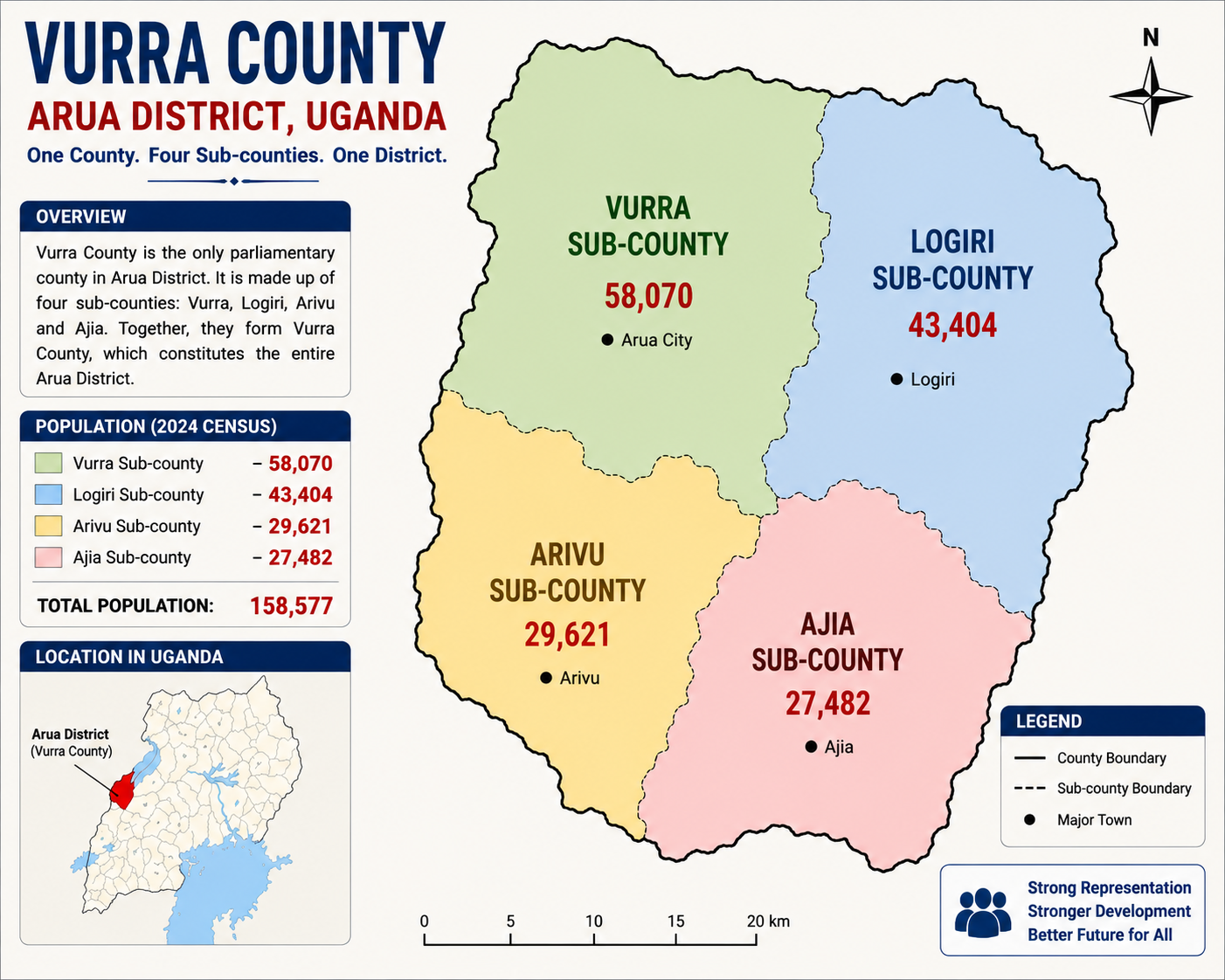
Arua’s One-County Question: Is Vurra’s Political Structure Ready for the Future?