160 Boreholes, One MP: Hon. Achon's Example Raises a Big Question for Uganda's 353 Constituency MPs
Hon. Julius Achon's reported borehole initiative highlights community water needs and raises questions about measurable results among Uganda's 353 constituency MPs.
Founder & Chief Editor · 28 October 2026 · 4 min read
By Osmara Digital Media
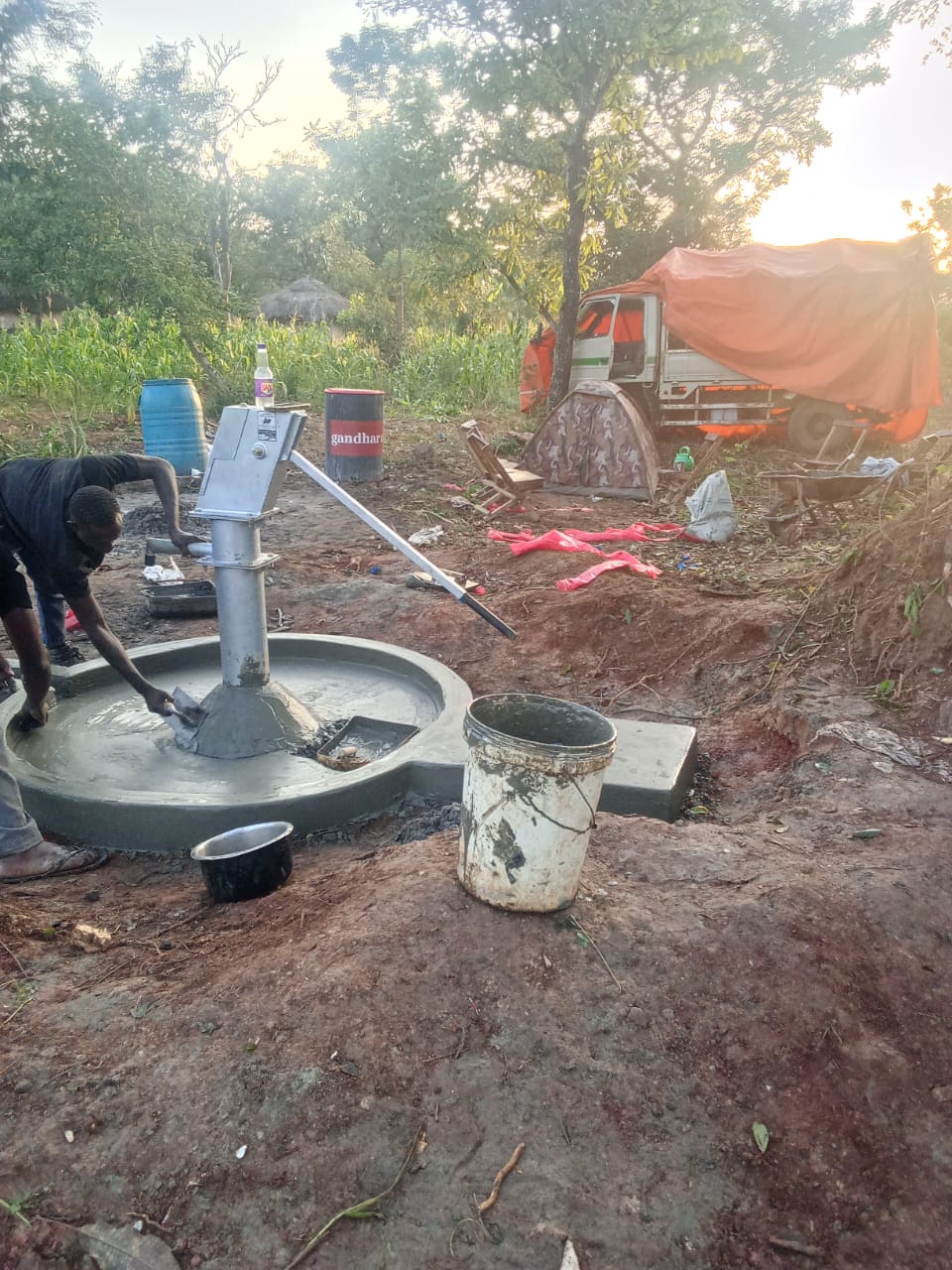
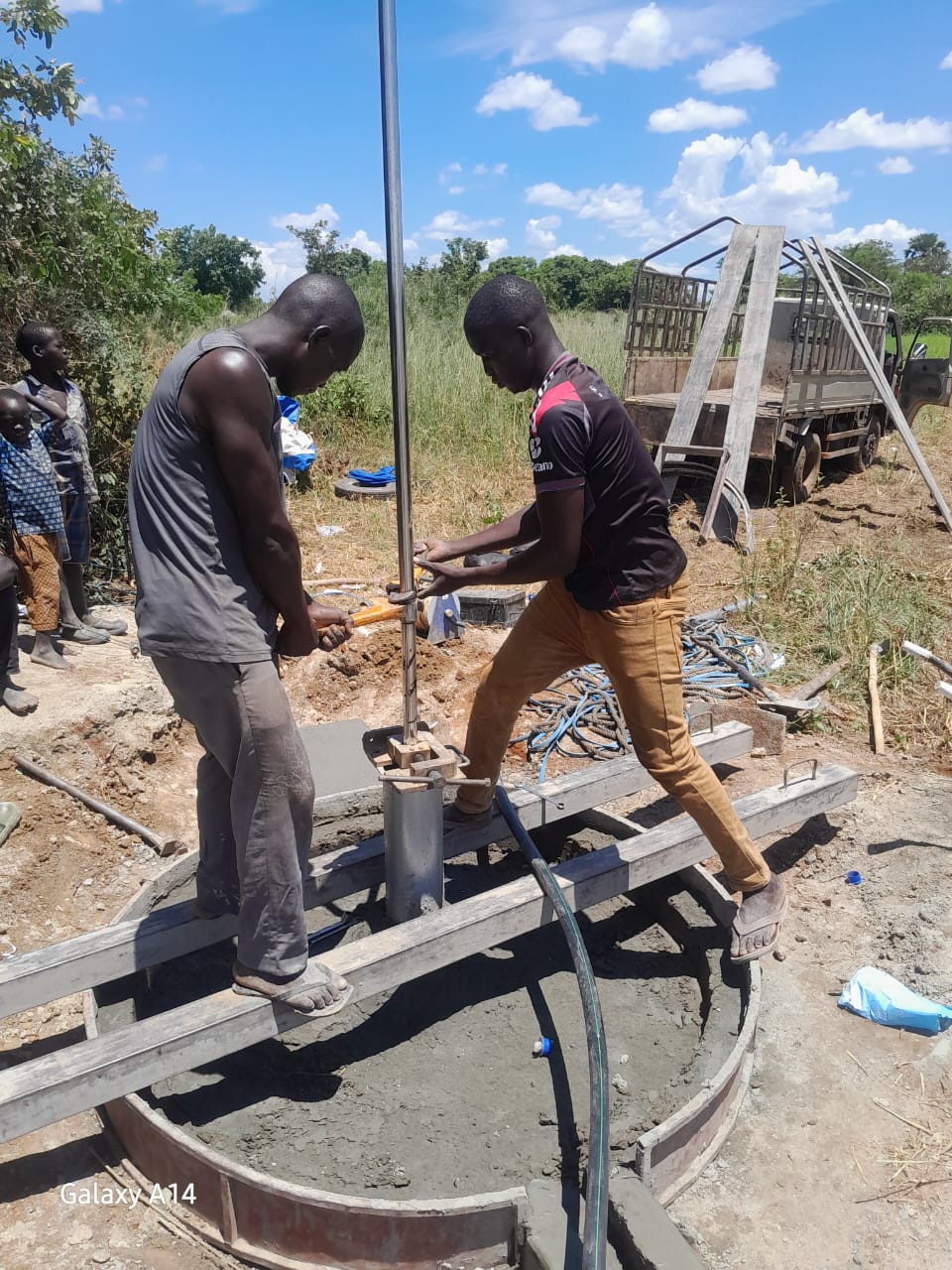
OTUKE, UGANDA — Hon. Julius Achon Bua, the Member of Parliament for Otuke East County in the Lango Sub-region, has been associated with a reported initiative involving approximately 160 boreholes aimed at improving access to water in local communities.
Access to clean water remains an essential public need, particularly in communities where residents struggle to obtain reliable water sources. Boreholes can bring water closer to households, reducing the distance people must travel to collect it.
Hon. Achon's reported initiative highlights the role elected representatives can play in supporting practical interventions that address the needs of their constituents.
Uganda has 353 constituency Members of Parliament elected to represent geographical constituencies across the country. This figure excludes district and city women representatives, Army representatives, workers, youth, persons with disabilities, older persons and ex-officio members of Parliament.
A hypothetical calculation illustrates the potential scale of a similar initiative if each constituency MP supported the delivery of 160 boreholes over a comparable period:
353 constituency MPs × 160 boreholes = 56,480 boreholes.
This figure is a mathematical illustration, not a claim about the actual number of boreholes drilled nationally. It does not imply that every constituency has the same water needs or that all MPs have equivalent resources.
Members of Parliament have several responsibilities, including legislating, scrutinising public expenditure, overseeing government programmes and representing their constituents. They can also advocate for improved services, engage relevant authorities and work with development partners to address local challenges.
Government retains primary responsibility for providing essential public services, including safe water. Nevertheless, initiatives supported by elected representatives and development partners can complement government efforts to address gaps in service delivery.
Hon. Achon's Example Raises the Bar for Community-Focused Leadership
A good people's representative must understand the challenges facing their constituents and seek practical ways to address them. Hon. Achon's reported involvement in a substantial borehole initiative offers an example of community-focused leadership that deserves public attention.
Leadership should not be measured by speeches and election promises alone. It should also be assessed by how seriously representatives identify local needs, pursue solutions and work to improve the lives of the people they serve.
In recognising Hon. Achon, Osmara Digital Media does not suggest that boreholes are the only measure of an MP's performance. Constituencies have different priorities, and parliamentary representation involves numerous responsibilities. However, where access to water is a pressing concern, practical efforts to improve it deserve consideration and recognition.
Hon. Achon's reported initiative therefore provides a useful starting point for a broader discussion about how elected representatives can contribute to addressing essential community needs.
What Could Uganda's 353 Constituency MPs Achieve?
The hypothetical figure of 56,480 boreholes illustrates the potential scale of coordinated action if each of Uganda's 353 constituency MPs supported the delivery of 160 boreholes over a comparable period.
This is not a demand that every MP must drill 160 boreholes. Nor does it suggest that MPs should personally finance public services that fall primarily under the government's responsibility.
Rather, it challenges constituency representatives to consider the practical contributions they can make within their mandates and available resources.
An MP can identify underserved communities, advocate for government water projects, engage district authorities, mobilise development partners and help ensure that residents' concerns receive appropriate attention.
Hon. Achon's reported initiative provides a useful example for this discussion. Other representatives should be prepared to explain how they have identified and addressed the most pressing needs in their constituencies.
The objective should not be to compare MPs solely by the number of projects associated with them, but to examine the practical results of their efforts in light of the needs of the people they represent.
Accountability Is Essential
Citizens have a legitimate right to ask their representatives what they have achieved during their time in office.
The question should not simply be how much an MP has spent personally. It should also consider whether the representative has fulfilled their parliamentary responsibilities, advocated effectively for constituents and helped advance practical solutions to local challenges.
Recognition and accountability are not contradictory. Together, they help ensure that public discussion of development initiatives remains credible and focused on results.
Osmara Digital Media's Position
Hon. Julius Achon's reported borehole initiative presents an opportunity to recognise community-focused leadership while encouraging other constituency MPs to demonstrate their own contributions to the people they represent.
The wider message is straightforward: effective representation requires leaders to understand their communities, pursue appropriate solutions and remain accountable to the people who entrusted them with public office.
If every constituency MP supported 160 boreholes over a comparable period, the hypothetical total would be 56,480. Although this is an illustration rather than a prediction, it highlights the potential scale of coordinated action towards improving access to water.
As a fully registered media organisation, Osmara Digital Media is committed to responsible journalism, recognising practical development initiatives, distinguishing reported facts from editorial opinion and promoting public accountability.
Guided by its commitment to keeping Africa in focus, Osmara Digital Media will continue highlighting leadership and development initiatives while encouraging evidence-based discussions about the performance of elected representatives and the tangible difference they make in people's lives.
Founder & Chief Editor
Founder and Chief Editor of Osmara Digital Media. Journalist and historian telling Africa's stories through an African lens, from West Nile to the continent.