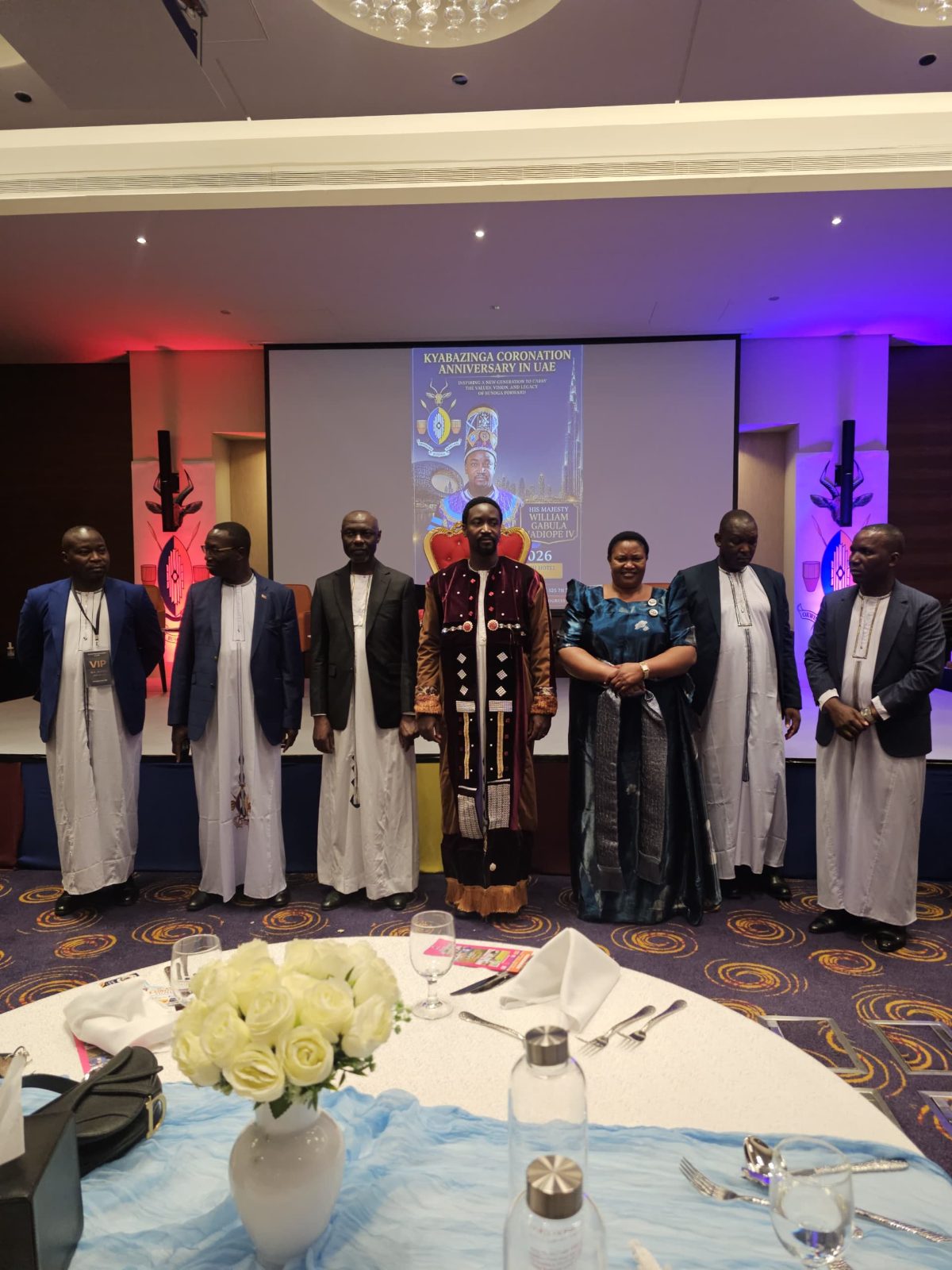
UJU Calls for Stronger Media Partnerships to Advance Press Freedom and Journalists’ Welfare in Uganda
The Uganda Journalists Union, led by President Evelyne Nalule, has called for improved journalists’ welfare, stronger press freedom protections and closer cooperation between media organisations and government to promote sustainable, independent journalism.
Founder & Chief Editor · 29 September 2026 · 4 min read
By Osmara Digital Media
KAMPALA, Uganda — September 27, 2026 The Uganda Journalists Union (UJU) has called for strengthened cooperation between media organisations, government institutions and other stakeholders to promote journalists’ welfare, enhance press freedom and ensure a safe and sustainable environment for independent and public-interest journalism in Uganda.
In a statement issued to mark World News Day, UJU President Evelyne Nalule emphasised the importance of fair labour standards, the physical safety of journalists and respect for constitutional protections governing freedom of expression and the media. She called on media owners, government officials, lawmakers and journalists to pursue constructive engagement and collective action to address challenges facing the profession while strengthening public confidence in the media. On journalists’ welfare, Nalule stressed that fair and timely remuneration, together with dignified working conditions, should be recognised as fundamental labour rights rather than acts of corporate goodwill. She observed that low salaries, delayed payments and insecure freelance arrangements can expose journalists to financial pressures that undermine editorial independence and create vulnerabilities to unethical practices, including the solicitation or acceptance of unauthorised payments in exchange for favourable coverage.
The UJU president further emphasised that improved welfare must go hand in hand with a firm commitment to professional ethics, accuracy and accountability, noting that journalists have a responsibility to uphold rigorous fact-checking, responsible reporting and balanced coverage while avoiding sensationalism. She said media organisations that provide stable employment and fair working conditions are better positioned to maintain professional newsrooms, strengthen editorial independence and support journalism that serves the public interest.
Nalule also called for renewed efforts to rebuild public trust in the media through greater transparency, accountability and responsible editorial practices. She urged news organisations to maintain a clear distinction between news reporting and opinion, while ensuring that editorial errors are acknowledged and corrected promptly and visibly. She further encouraged media houses to strengthen investment in community-centred and investigative journalism that reflects the socioeconomic realities, aspirations and concerns of ordinary citizens.
Addressing the changing media landscape, the UJU president noted that technological transformation continues to create new opportunities for journalism while presenting considerable challenges to traditional media organisations. She highlighted growing concerns over digital security threats, online surveillance and the spread of disinformation, emphasising the need to equip journalists with appropriate digital security skills to protect themselves, their sources and the integrity of their reporting.
She also encouraged media executives to pursue innovative and sustainable business models in response to the changing advertising environment, where traditional revenue streams are increasingly affected by the growing influence of global technology platforms. Nalule said exploring subscriptions, paywalls and diversified digital revenue opportunities could help strengthen the financial sustainability of newsrooms, reduce dependence on unstable sources of income and support continued investment in quality journalism.
The UJU president also appealed to Members of Parliament to support legislation and policy measures aimed at protecting media workers and strengthening the sustainability of local media organisations, including consideration of appropriate tax incentives for the domestic media industry. She observed that a financially sustainable and professionally independent media sector plays an important role in ensuring that Ugandans have access to credible information about developments affecting their communities and the country at large. Nalule further underscored the importance of safeguarding journalists working in the field, calling for an end to harassment, assault and arbitrary arrest of media practitioners while undertaking legitimate professional assignments. She urged government officials, security agencies and media organisations to strengthen dialogue, cooperation and mutual respect to promote a safe working environment in which journalists can report freely and responsibly in the public interest.
In her appeal to media owners and chief executive officers, Nalule emphasised that fair remuneration and decent working conditions are essential to the long-term sustainability of media businesses, while encouraging editors and news directors to maintain high standards of accuracy, ethics and editorial quality despite commercial, political or other pressures. She said the collective commitment of media proprietors, newsroom leaders and journalists to professional standards remains central to protecting the credibility and public standing of the profession.
Nalule also called on government officials and Members of Parliament to recognise independent media as an important partner in national development, transparency and accountability, emphasising that constructive engagement between public institutions and journalists can strengthen public understanding, promote informed participation and ensure that matters of public interest receive appropriate attention. “Public-interest reporting cannot survive without fair labour standards, physical safety and constitutional protections for the human beings who gather the news,” the Uganda Journalists Union stated in its World News Day message.
Founder & Chief Editor
Founder and Chief Editor of Osmara Digital Media. Journalist and historian telling Africa's stories through an African lens, from West Nile to the continent.
Related stories
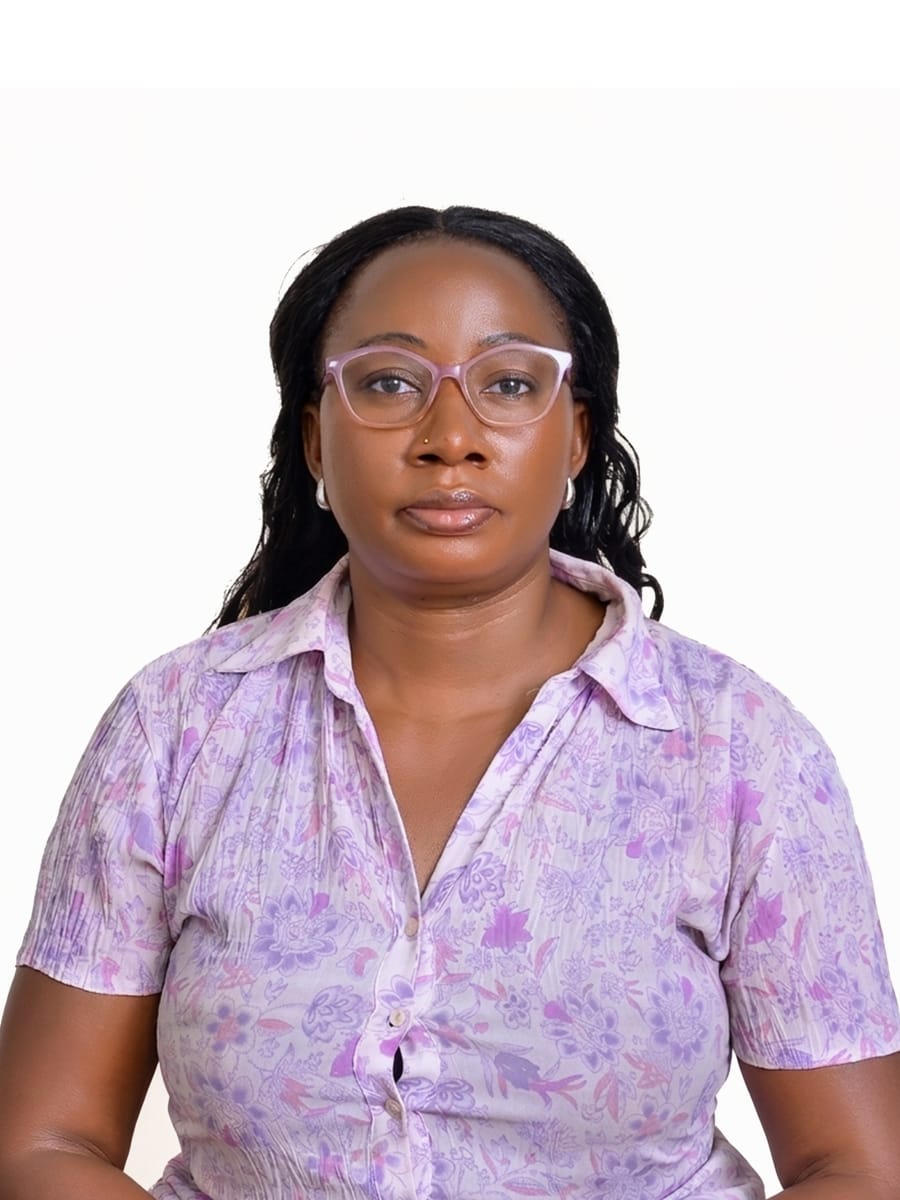
UJU Congratulates Kyabazinga on Coronation Anniversary, Commends Royal Support for Media Freedom
Ghana Migrant Workers’ Union Calls for State Rescue and Repatriation Fund for Victims Abroad
Museveni Calls for Stronger Japanese Investment and Infrastructure Partnership