New Vision Journalist Takes Over UJA Presidency
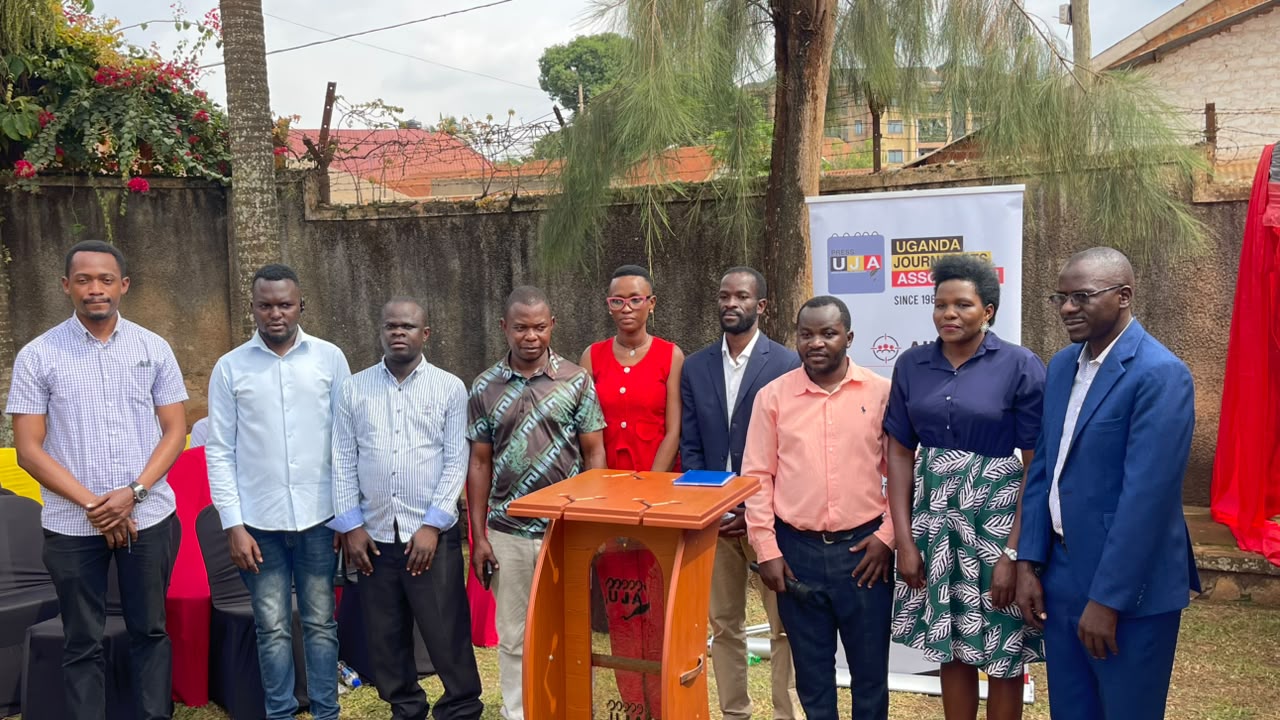
Newly elected Uganda Journalists Association (UJA) President Emmanuel Kirunda poses for a group photograph with fellow journalists and other participants following his election, marking the beginning of a new leadership chapter for the journalists’ body.
Founder & Chief Editor · 8 November 2026 · 4 min read
By Barasa Richard
KAMPALA: New Vision journalist Emmanuel Kirunda has been elected President of the Uganda Journalists Association (UJA), ushering in a new leadership team tasked with strengthening press freedom, improving journalists’ welfare and restoring unity within the profession.
Kirunda was elected on Saturday, November 7, 2026, during the association’s Annual General Assembly held at UJA offices in Keti Falawo, Kawempe, Kampala, where members gathered to elect leaders who will steer the organisation.
He takes over from outgoing president Mathias Rukundo, with renowned advocate Gilbert Mbonye presiding over the electoral process as returning officer.
Kirunda, who previously served as UJA Secretary General, emerged as the new president following the withdrawal of his main challenger, Jay Rizik Kalungi Agonzibwa of Vision Group, from the presidential race.
The two candidates had reportedly been asked to engage in discussions on the way forward before Kalungi withdrew from the contest. Following her withdrawal, she was declared Vice President, filling a position that had remained unoccupied during the electoral process.
Other officials elected to the new leadership include Kabuye Ronald as Secretary General, Kigongo Issa as Treasurer, Damba Tadeo as Organising Secretary and Rachael Namuli Nakabugo as Secretary for Production.
Mukisa Daniel was elected Secretary for External Relations, while Mubiru Hakim took the position of Secretary for Health and Social Welfare.
At the regional level, Ismail Bategeka was elected to represent Western Uganda, Ivan Keziron Wakibi for Eastern Uganda and Joseph Omagor for Northern Uganda.
Candidates Outline Priorities
Before the elections, both presidential candidates presented their manifestos, outlining proposals to strengthen the association, improve journalists’ welfare and address challenges affecting media practitioners across Uganda.
Kalungi placed particular emphasis on journalists’ economic empowerment, financial security, unity and inclusion.
Among her major proposals was the establishment of a Savings and Credit Cooperative Organisation (SACCO) to enable journalists to access affordable loans at lower interest rates.
She argued that journalists needed an organised financial support system similar to those enjoyed by professionals in other sectors, saying such an initiative would help members overcome financial difficulties.
Kalungi also pledged to establish a support mechanism for journalists facing medical emergencies, particularly those unable to raise funds for treatment and operations.
She further promised to advocate for scholarships and educational opportunities for female journalists while promoting mentorship programmes for young and upcoming media practitioners.
On unity, Kalungi expressed concern about divisions within the association, arguing that UJA should operate as a family rather than a politically divided organisation.
Kirunda, on the other hand, based his campaign on institutional reorganisation, press freedom, journalists’ safety, economic rights, professional development and unity.
Introducing himself as a journalist and outgoing Secretary General, he said his ambition was to redefine journalism and give UJA renewed direction through stronger leadership and effective structures.
He outlined seven key priorities, beginning with reorganising the association and revitalising its existing initiatives to make it more responsive to journalists’ needs.
Press Freedom and Journalists’ Safety
On press freedom and journalists’ safety, Kirunda highlighted his previous involvement in legal efforts aimed at challenging attacks against media practitioners.
He recalled the 2022 court petition filed following the beating of journalists at the United Nations offices in Kololo, in which he was among those who challenged the Attorney General and eight individual military officers over the incident.
He described the resulting court decision, which he said declared the beating of journalists while carrying out their professional duties unconstitutional, as a significant milestone in the struggle for press freedom in Uganda.
Kirunda also highlighted his role in efforts that secured the release of journalist Remmy Asiteza, who had spent more than two months in detention before his intervention helped secure his freedom.
He pledged to continue defending journalists facing arrest, detention, intimidation and other forms of harassment while executing their professional responsibilities.
The new UJA president further argued that press freedom should not be limited to the ability of journalists to publish stories but should extend to their economic rights, including fair remuneration, job security and improved working conditions.
He also pledged to empower journalists to occupy and utilise online platforms professionally while challenging imposters who undermine the credibility of the journalism profession.
Promoting Unity Among Journalists
To strengthen unity among media practitioners, Kirunda proposed initiatives such as the World Press Freedom Day Media Football Sports Gala.
He said the initiative could provide an opportunity for journalists to interact, build relationships and promote solidarity beyond their respective media houses.
His election places him at the centre of efforts to strengthen UJA and address longstanding challenges affecting journalists in Uganda.
As the new leadership assumes office, members will be looking to the team to translate its campaign promises into practical reforms that protect journalists, improve their welfare, promote professional development and strengthen press freedom across the country.
For Kirunda and his team, the task ahead will involve turning the association's renewed leadership mandate into tangible benefits for journalists working in different media houses and independent media platforms.
Founder & Chief Editor
Founder and Chief Editor of Osmara Digital Media. Journalist and historian telling Africa's stories through an African lens, from West Nile to the continent.
Related stories
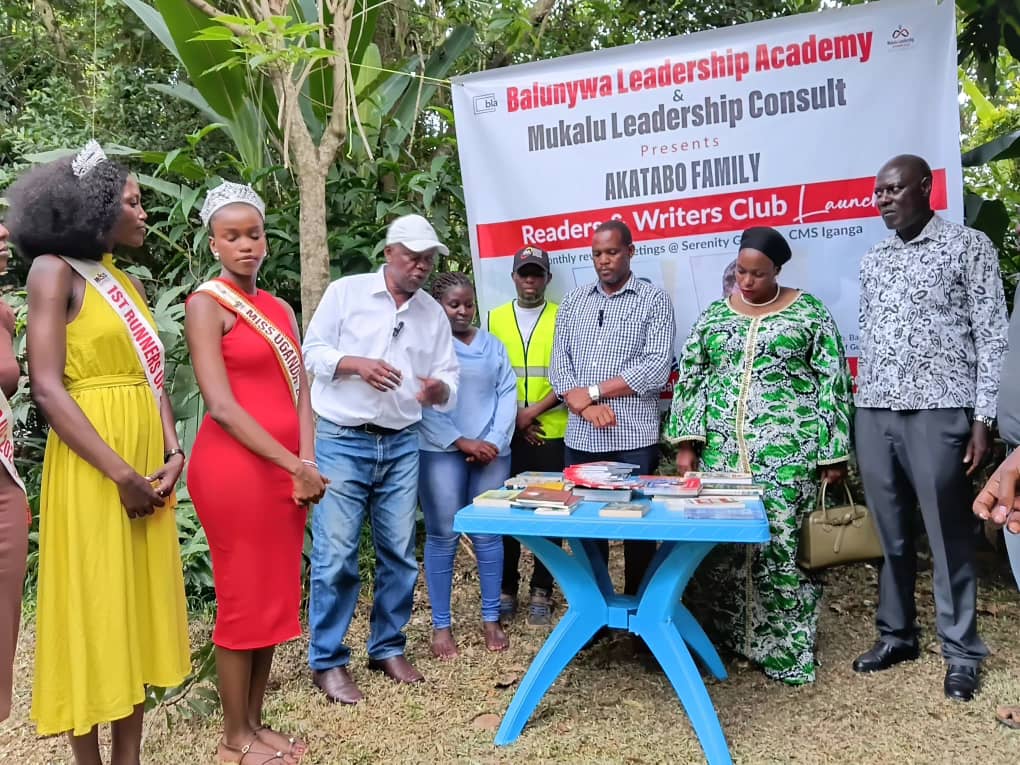
Iganga Celebrates Lukia Balunywa as Leaders Call for Greater Opportunities for Girls
Delayed Goigoyi Road Works Put Kubala Market Traders at Risk
Kungu Warns Young People Against Drug Abuse, Early Pregnancies as Leaders Promise Empowerment