Uganda Signs Host Country Agreement to House African Union Humanitarian Agency Headquarters
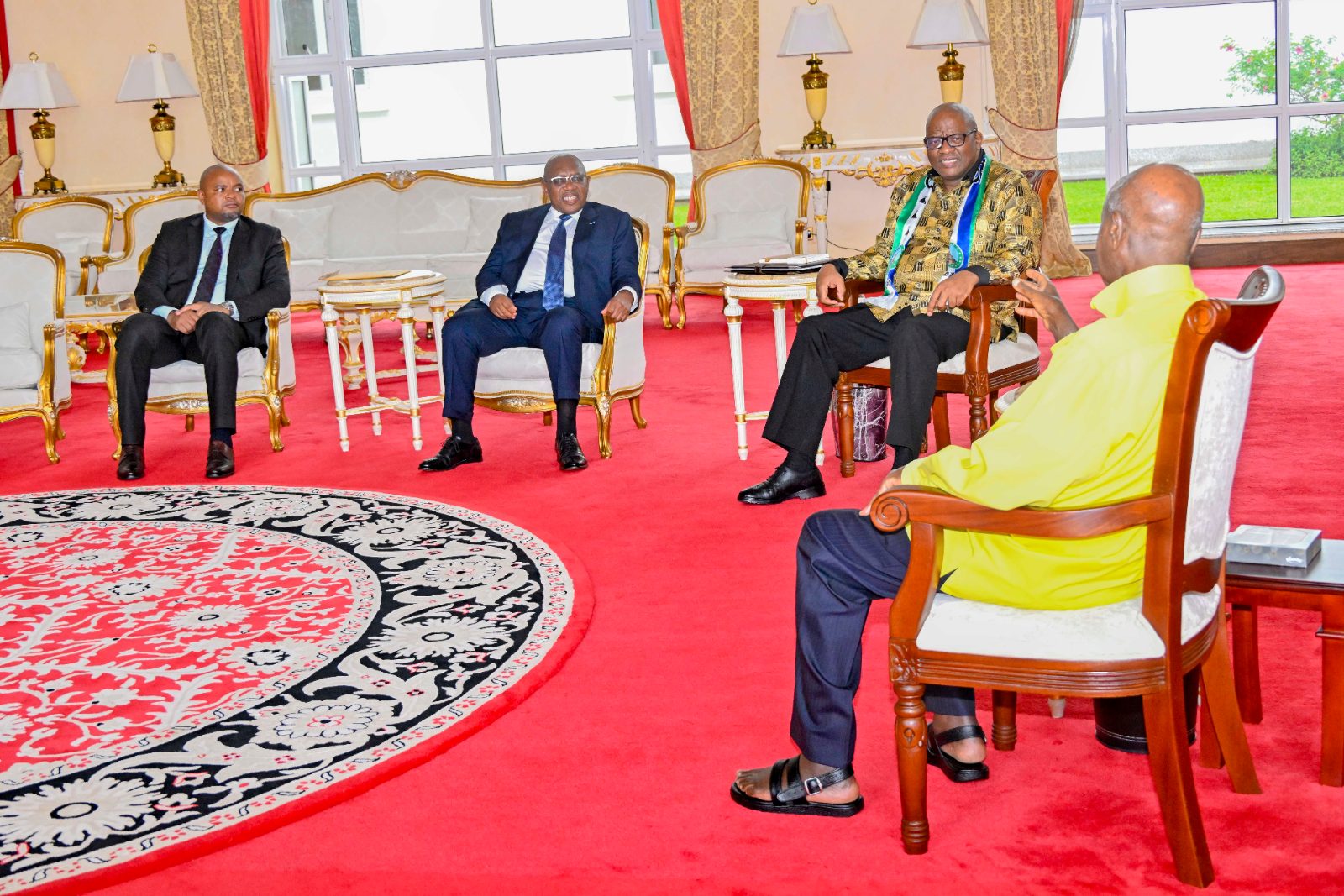
President Museveni witnesses the signing of a landmark agreement between Uganda and the African Union, paving the way for the establishment of the AU Humanitarian Agency headquarters in Kampala.

Founder & Chief Editor · 10 November 2026 · 3 min read
By Osmara Digital Media
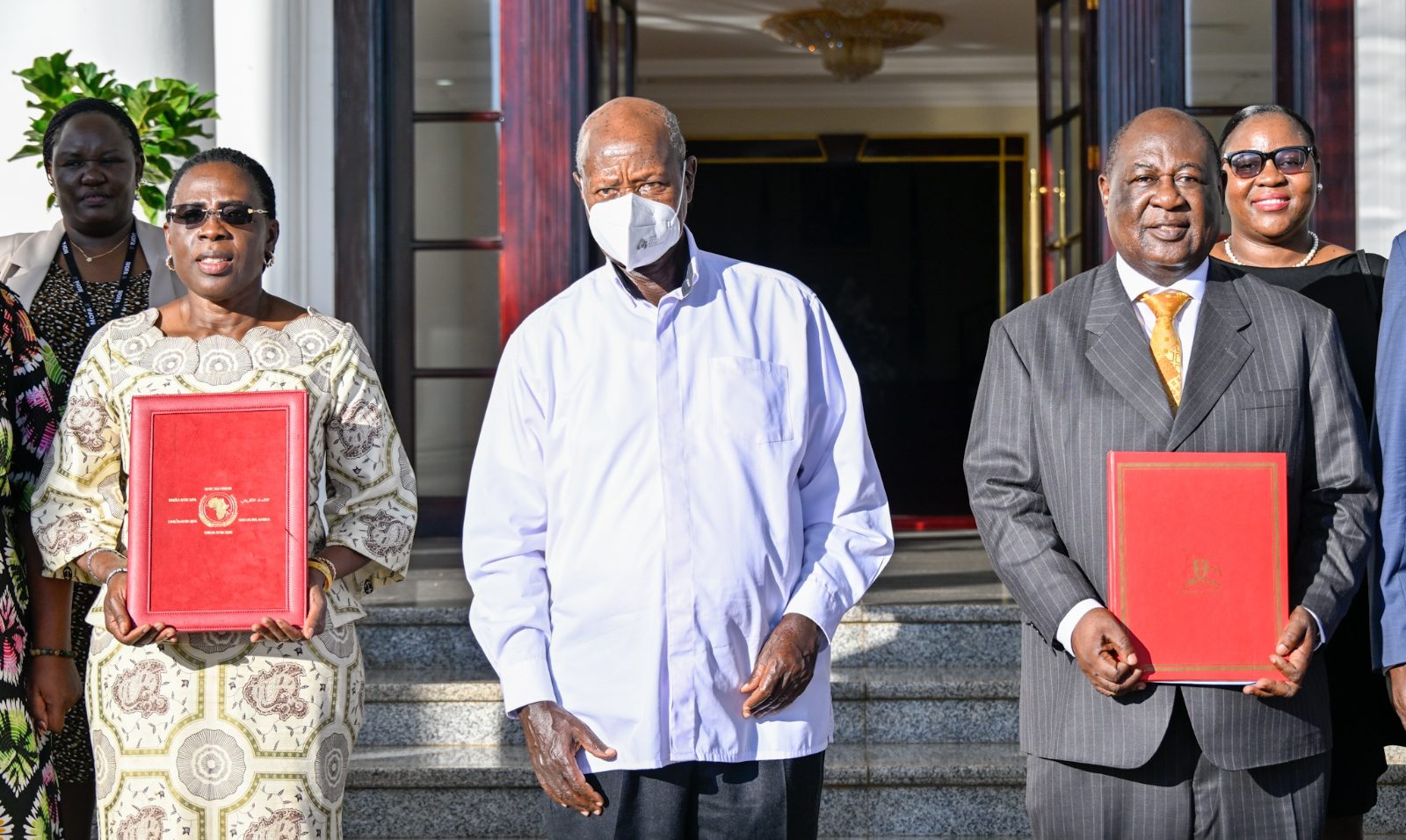
ENTEBBE, UGANDA – President Yoweri Kaguta Museveni has witnessed the signing of a Host Country Agreement between the Government of Uganda and the African Union (AU), paving the way for the establishment of the continental body's Humanitarian Agency headquarters in Uganda.
The agreement, signed at State House, Entebbe, marks a significant diplomatic milestone for Uganda and reinforces the country's growing role in continental humanitarian affairs.
The establishment of the headquarters is expected to strengthen Africa's institutional capacity to coordinate humanitarian interventions, respond to emergencies and support populations affected by armed conflicts, forced displacement, climate-related disasters, food insecurity and disease outbreaks.
President Museveni welcomed the AU's decision to locate the agency's headquarters in Uganda, describing the institution as an important mechanism for improving the coordination and delivery of humanitarian assistance across the continent.
He noted that the agency would play a critical role in organising emergency responses, including the distribution of food and other essential supplies to communities affected by humanitarian crises.
The Attorney General, Hon. Sam Mayanja, who signed the agreement on behalf of the Ugandan Government, commended President Museveni for spearheading the country's successful bid to host the continental institution.
Mayanja revealed that Uganda secured the hosting opportunity with a score of 85 per cent, describing the outcome as evidence of the confidence and recognition the country enjoys within the African Union.
He explained that the process of establishing the headquarters is expected to commence in December 2026 and take approximately three years before the agency becomes fully operational.
He added that the agreement provides the necessary legal and institutional framework governing the establishment and operations of the agency in Uganda.
The Minister of Relief, Disaster Preparedness and Refugees, Hon. Sam Engola, described the development as a major step towards strengthening humanitarian cooperation among African countries.
Engola credited Uganda's longstanding open-door refugee policy and its continued support for displaced populations as important contributions to the country's selection.
He said Uganda's experience in refugee management would provide a strong foundation for the agency as it begins its continental mandate.
Speaking on behalf of the African Union Commission, Commissioner for Health, Humanitarian Affairs and Social Development, Ambassador Amma Twum-Amoah, thanked President Museveni and the people of Uganda for accepting to host the institution.
She described the signing as more than a diplomatic formality, saying it represented an important transition from Africa's political commitment to establishing a functional continental humanitarian institution.
Twum-Amoah observed that Uganda was a fitting location because of its history of solidarity with people affected by displacement and forced migration.
She also highlighted Kampala's historical association with the 2009 Kampala Convention, the African Union's landmark legal framework for the protection and assistance of internally displaced persons.
According to the Commissioner, Kampala has the potential to develop into a continental humanitarian hub where African solutions can be coordinated, institutional capacity strengthened and solidarity mobilised.
She noted that the agency's establishment comes at a critical time when humanitarian emergencies continue to affect millions of people across Africa.
These include armed conflicts, forced displacement, climate-related disasters, food insecurity and disease outbreaks, all of which require stronger continental coordination and timely interventions.
Twum-Amoah emphasised that the agency must become a practical instrument for African solidarity, humanitarian diplomacy and coordinated action rather than remain an institution existing only on paper.
She further revealed that the African Union Commission had already mobilised essential initial staff to begin operationalising the agency.
The Commission, she said, was prepared to work closely with the Ugandan Government to facilitate the deployment of the initial team to Kampala, preferably by the end of November or, at the latest, by mid-December 2026.
She stressed that the early deployment would be an important first step towards establishing the agency's physical presence, developing its operational capacity and implementing the mandate entrusted to it by African Heads of State and Government.
The signing of the Host Country Agreement places Uganda at the centre of an important continental institutional initiative, as the African Union seeks to strengthen its ability to anticipate, coordinate and respond to humanitarian emergencies.
Beyond hosting the headquarters, the success of the institution will depend on sustained cooperation among AU Member States, effective resource mobilisation and the ability to translate continental commitments into timely humanitarian assistance for vulnerable African populations.
Founder & Chief Editor
Founder and Chief Editor of Osmara Digital Media. Journalist and historian telling Africa's stories through an African lens, from West Nile to the continent.
Related stories
Uganda Flag Flutters in Abuja as Bishop Babu Becomes Global Peace Ambassador
AU-SAFGRAD, FAO Convene 26 African Countries to Advance Sustainable Irrigation Development

AU and IFRC Push for Stronger Country Leadership to End Hunger in Africa