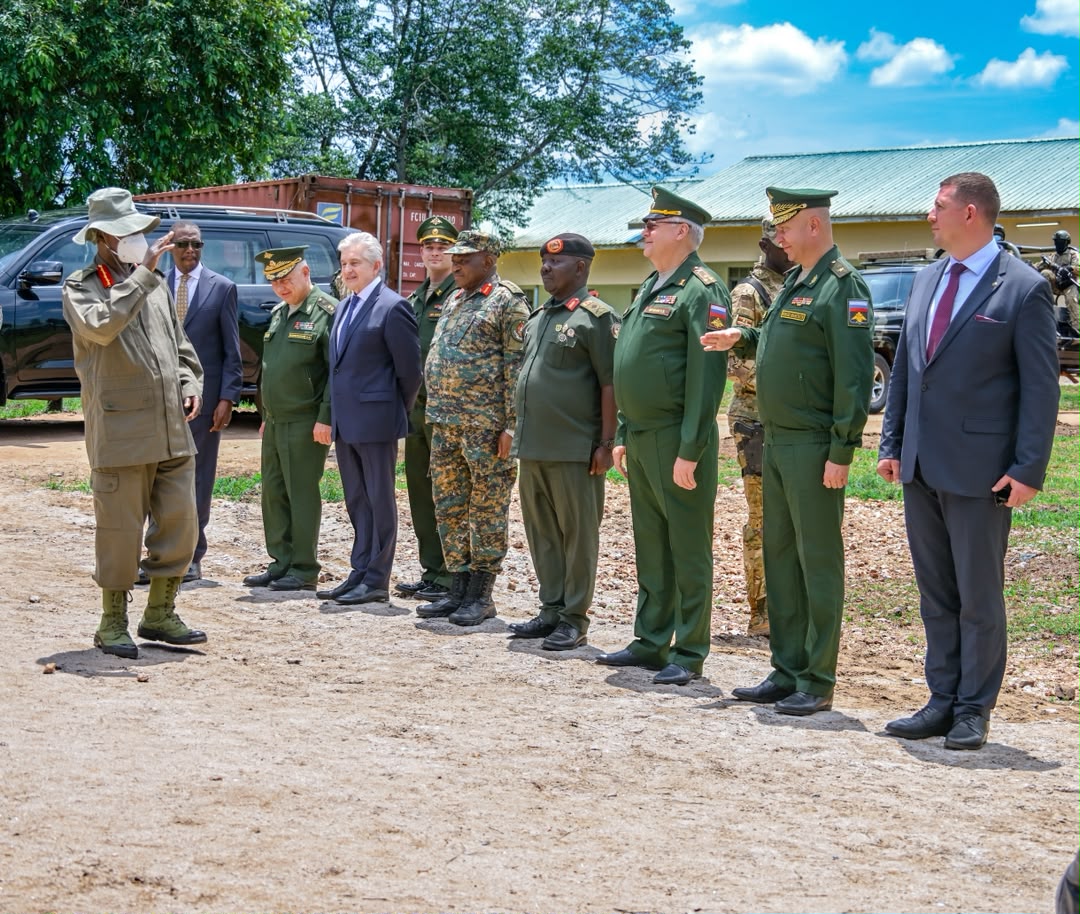
Uganda’s Oil Journey: Opportunity or Challenge?
Uganda’s oil sector promises economic growth and jobs, but questions remain over environmental protection, accountability, and community benefits.

Founder & Chief Editor · 26 July 2026 · 2 min read
By Osmara Digital Media-Africa in focus
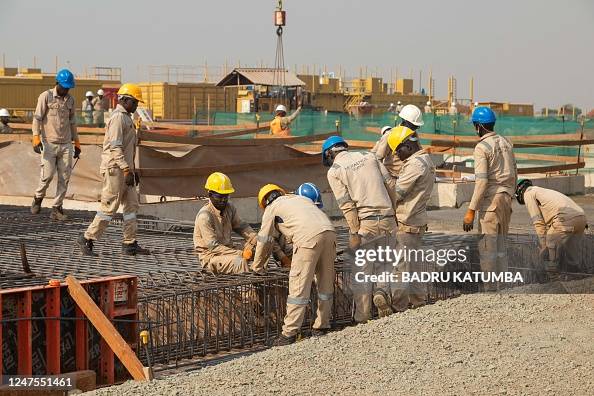
Uganda’s oil discovery has opened a new chapter in the country’s economic journey, creating hopes for increased investment, jobs, infrastructure development, and improved public services. However, as the country moves closer to commercial oil production, questions remain about environmental protection, transparency, community benefits, and whether the resources will deliver shared prosperity. The discovery of oil in the Albertine Graben region in western Uganda in the early 2000s was seen as a major economic breakthrough. The region, which includes districts such as Hoima, Buliisa, and Nwoya, became the centre of Uganda’s petroleum ambitions. The government has invested in developing the oil sector through major projects, including the Tilenga oil project and the East African Crude Oil Pipeline (EACOP), which is expected to transport crude oil from Uganda’s oil fields to the Indian Ocean coast in Tanzania. Economic Opportunities Uganda’s oil sector is expected to generate government revenue, attract foreign investment, and create opportunities for local businesses. Supporters argue that oil income could help finance roads, healthcare, education, and industrial growth. The sector has also created demand for skilled workers, suppliers, transport services, construction companies, and small businesses supporting oil operations. For young Ugandans entering the labour market, the oil industry represents a chance for employment and skills development if local participation is strengthened. Communities Seeking Benefits Communities living in oil-producing areas have welcomed development projects linked to the sector but also want to see direct benefits from the resources beneath their land. Many residents expect improved roads, clean water, healthcare facilities, and more employment opportunities. However, land acquisition and relocation linked to oil projects have raised concerns among some affected communities about compensation, livelihoods, and protecting cultural heritage. Environmental Concerns The growth of Uganda’s oil industry has sparked debate about environmental protection, especially around sensitive ecosystems such as Murchison Falls National Park and areas near Lake Albert. Environmental groups have called for strong safeguards to prevent pollution, protect wildlife, and ensure that oil development does not threaten tourism, fishing, and agriculture, which support millions of Ugandans. The challenge for Uganda is balancing economic growth with long-term environmental sustainability. Transparency and Accountability As oil revenues begin to flow, many observers emphasize the importance of transparency and responsible management of public resources. Uganda’s experience will depend on how effectively institutions prevent corruption, manage revenues, and ensure that oil wealth benefits ordinary citizens rather than a small group of people. The Road Ahead Uganda’s oil journey presents both opportunity and responsibility. The sector could accelerate national development if managed carefully, with strong accountability, environmental protection, and meaningful involvement of local communities. For Uganda, the question is not only how much oil can be produced, but how the country can transform natural resources into lasting benefits for future generations. As Uganda prepares for its oil era, the success of the industry will be measured by whether it creates inclusive growth, protects the environment, and improves the lives of citizens.
Founder & Chief Editor
Founder and Chief Editor of Osmara Digital Media. Journalist and historian telling Africa's stories through an African lens, from West Nile to the continent.
Related stories

BUSOGA KINGDOM URGES PR PROFESSIONALS TO PUT PUBLIC TRUST BEFORE PUBLICITY
PRESIDENT MUSEVENI URGES SHEEMA FARMERS TO EMBRACE IRRIGATION, COMMERCIAL AGRICULTURE
KYABAZINGA MOBILISES BUSOGA LEADERS TO TACKLE TEENAGE PREGNANCY AND POVERTY