Refugees Returning Home: Is South Sudan Ready to Welcome Back Its People?
As regional peace efforts gain momentum, thousands of South Sudanese refugees are considering returning home. Yet rebuilding lives will depend on security, basic services, and sustainable opportunities for returning families.
Founder & Chief Editor · 26 July 2026 · 2 min read
JUBA, South Sudan — After years of conflict that displaced millions of people, South Sudan is entering a new chapter as growing numbers of refugees consider returning home. For many, the journey back represents hope, resilience, and the opportunity to rebuild lives that were interrupted by war. According to humanitarian agencies, millions of South Sudanese sought refuge in neighboring countries including Uganda, Sudan, Ethiopia, Kenya, and the Democratic Republic of Congo during years of civil conflict. While many have established temporary lives abroad, the desire to return home remains strong. Recent progress in implementing the country's peace agreement has encouraged some families to begin planning their return. The government, working with regional partners and international humanitarian organizations, has pledged to create conditions that support safe, voluntary, and dignified repatriation. However, returning home is only the beginning of a much larger challenge. Many communities continue to struggle with limited access to healthcare, education, clean water, electricity, and adequate housing. Roads connecting rural communities remain underdeveloped, making it difficult for returnees to access markets, schools, and medical facilities. Security also remains a concern in parts of the country. Although large-scale fighting has reduced, localized violence, cattle raids, and intercommunal conflicts continue to threaten stability in some regions. Humanitarian experts argue that lasting peace is essential if returning families are to rebuild their lives without fear of renewed displacement. Economic recovery is another major challenge. Many refugees lost their farms, businesses, and livelihoods during the conflict. Creating employment opportunities, supporting agriculture, and encouraging private investment will be vital in helping returnees become self-reliant and contribute to national development. Despite these obstacles, the return of refugees could become a turning point for South Sudan. Returning professionals, teachers, health workers, and entrepreneurs can help rebuild institutions, strengthen communities, and stimulate economic growth. Across Africa, South Sudan's experience serves as a reminder that ending conflict is only the first step. Sustainable peace requires investment in infrastructure, education, healthcare, reconciliation, and inclusive economic development. Successfully reintegrating returning refugees would not only strengthen South Sudan but also contribute to greater stability across the East African region. As thousands prepare to make the journey home, the question remains whether South Sudan can transform hope into lasting progress. The answer will depend on continued commitment to peace, effective governance, and partnerships that put the needs of returning citizens at the center of national recovery. Written by OSMARA DIGITAL MEDIA – Africa in Focus
Founder & Chief Editor
Founder and Chief Editor of Osmara Digital Media. Journalist and historian telling Africa's stories through an African lens, from West Nile to the continent.
Related stories

KYABAZINGA MOBILISES BUSOGA LEADERS TO TACKLE TEENAGE PREGNANCY AND POVERTY
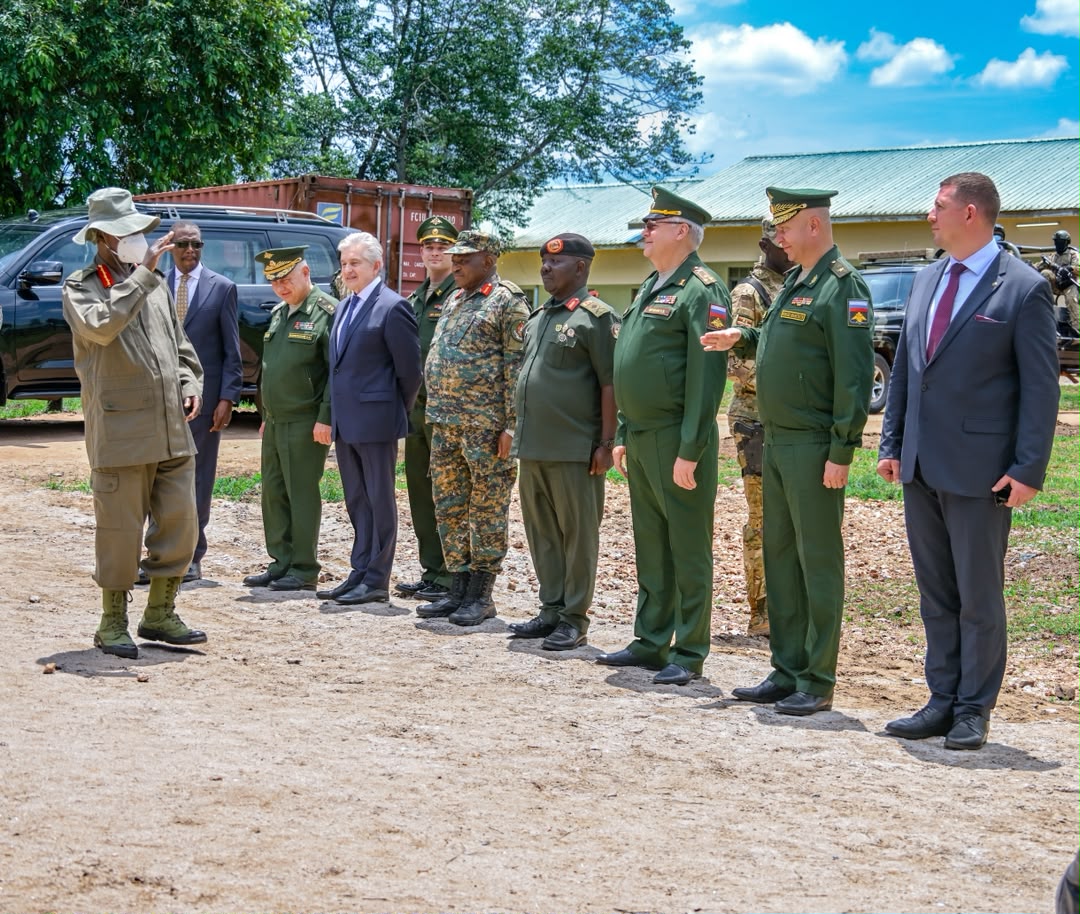
PRESIDENT MUSEVENI COMMISSIONS $53M MILITARY FACILITY, DEEPENS UGANDA-RUSSIA DEFENCE COOPERATION
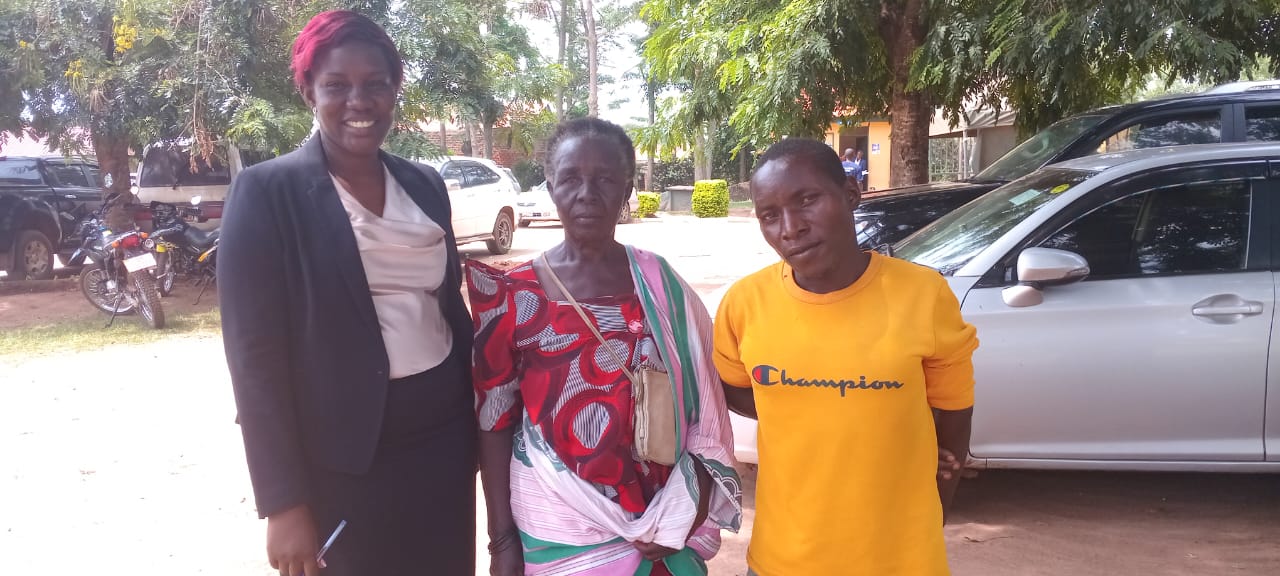
IGANGA COURT ISSUES CRIMINAL SUMMONS OVER ALLEGED GRABBING OF 16 ACRES BELONGING TO ELDERLY WIDOW