Madagascar’s Humanitarian Crisis Deepens as Millions Face Hunger and Climate Threats
More than 2 million people in Madagascar are projected to face severe food insecurity as drought, cyclones, El Niño and disease outbreaks worsen humanitarian conditions.

Founder & Chief Editor · 29 July 2026 · 3 min read
Osmara Digital Media-Focus in Africa
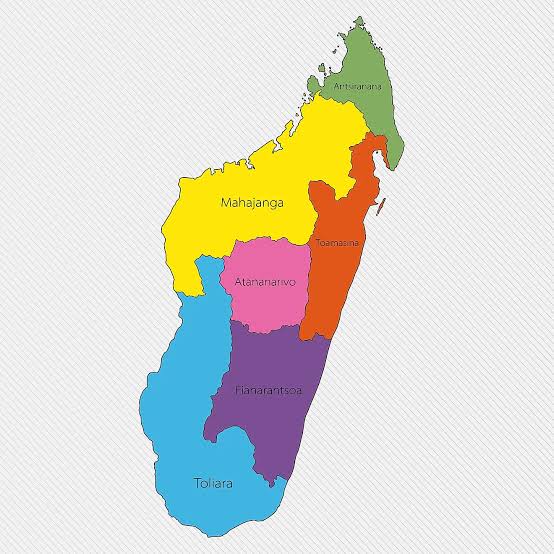
Madagascar’s humanitarian situation is expected to deteriorate in the coming months as millions of people face rising food insecurity, prolonged drought, the effects of successive tropical cyclones, disease outbreaks and growing climate risks linked to El Niño. More than 2 million people — about 7 per cent of the country’s population — are projected to experience Crisis or worse levels of food insecurity (IPC Phase 3 and above) between June and September 2026, according to the Integrated Food Security Phase Classification (IPC). The affected population includes an estimated 183,000 people facing Emergency levels of hunger (IPC Phase 4), all located in the Grand Sud region, one of Madagascar’s most vulnerable areas. Although the figure represents an improvement from the 2.57 million people projected to face IPC Phase 3 or worse between March and May 2026, humanitarian conditions remain more severe than during the country’s devastating 2021 food crisis — the worst humanitarian emergency Madagascar had experienced in more than four decades — when 1.14 million people were affected. The situation in the Grand Sud remains particularly alarming. The number of people facing Emergency levels of food insecurity has increased sharply from 25,000 to 183,000, with all seven districts in the region expected to reach IPC Phase 4 conditions. The outlook is expected to worsen further between October 2026 and February 2027, when more than 3.7 million people are projected to face Crisis or worse levels of food insecurity, including 426,000 people in Emergency conditions. Humanitarian agencies warn that the deterioration will be driven by the lean season, depleted food stocks, increased reliance on markets, high food prices, prolonged drought and climate pressures associated with El Niño, alongside continuing funding shortages. Rising Malnutrition Among Children The food crisis is also expected to deepen malnutrition risks among children. Between February and April 2027, 18 of the 23 districts in the Grand Sud and Grand Sud-Est regions are projected to face Serious acute malnutrition levels under the IPC Acute Malnutrition classification. More than 500,000 children under the age of five are expected to suffer from acute malnutrition, with 54 per cent living in the Grand Sud. This includes an estimated 78,500 children projected to experience Critical acute malnutrition (IPC AMN Phase 4) between May 2026 and April 2027. Climate Threats and Cyclone Impact A strengthening El Niño weather pattern is forecast to bring below-average rainfall to the Grand Sud later this year, worsening conditions in areas already affected by poor rainfall between February and April 2026. Meanwhile, humanitarian response efforts following tropical cyclones that struck Madagascar between February and May 2026 helped prevent a wider food security crisis in affected areas. However, some of the hardest-hit districts, including Toamasina II and Mahanoro, are expected to remain under Crisis food insecurity conditions from July 2026 to May 2027 due to significant crop losses. Mpox Outbreak Continues Madagascar is also facing continued public health challenges, with mpox transmission remaining active. The main hotspots include Analamanga, Atsinanana and Diana regions. Since December 2025, authorities have recorded at least 2,408 confirmed mpox cases and 14 deaths as of 28 June 2026. Humanitarian organisations warn that without increased funding and sustained international support, vulnerable communities in Madagascar risk facing a deeper crisis as climate shocks, food shortages and health threats continue to compound each other.
Founder & Chief Editor
Founder and Chief Editor of Osmara Digital Media. Journalist and historian telling Africa's stories through an African lens, from West Nile to the continent.
Related stories
Kampala on Two Wheels: The Boda Boda Riders Keeping the City Moving
RDC Secretariat, Anti-Corruption Unit Warn Iganga Leaders: ‘No More Sleep, No More Corruption’
Police Warn Relatives Against Evicting Widows and Orphans from Land in Iganga