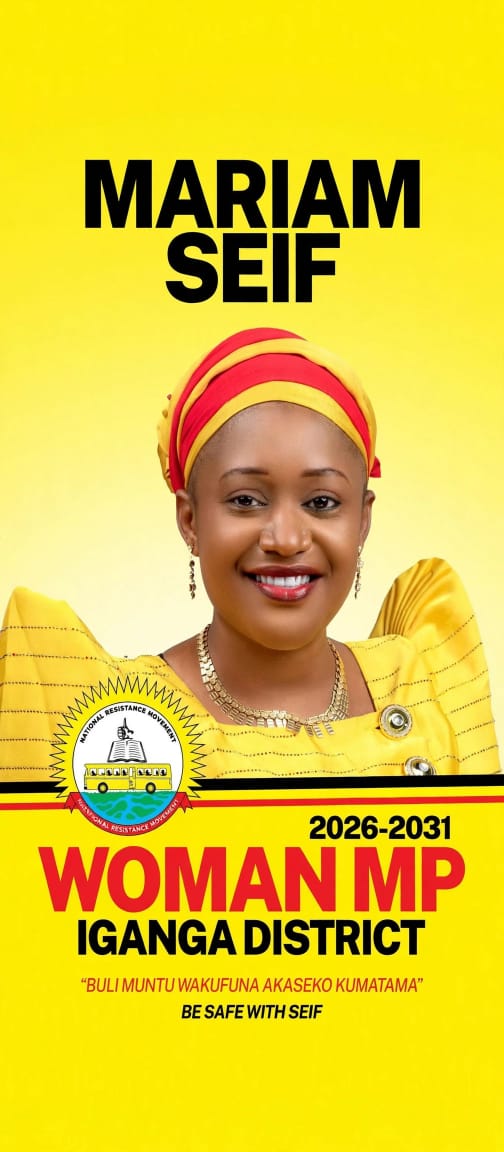
Hon. Mariam Seif Secures Electricity Expansion for Over 30 Villages in Iganga District
Hon. Mariam Seif’s parliamentary intervention has secured government commitments to extend electricity to more than 30 underserved villages in Iganga District, with new power lines and transformers expected to support households, schools, health centres and businesses.
Founder & Chief Editor · 29 September 2026 · 9 min read
By Barasa Richard
IGANGA, Uganda — Iganga District Woman Representative Hon. Mariam Seif has secured a major rural electrification breakthrough for more than 30 villages that have lived without electricity for decades, following sustained advocacy in Parliament that prompted a formal government response outlining plans to expand power infrastructure across underserved communities.
The development follows a written question submitted by Hon. Seif to the government regarding persistent rural electrification gaps in Iganga District. The matter was subsequently addressed during Prime Minister’s Question Time in Parliament on August 27, 2026, prompting Prime Minister Rt. Hon. Robinah Nabbanja to provide an official response detailing government interventions aimed at extending electricity to communities that have remained off the national grid.
In a letter dated August 31, 2026, the Prime Minister confirmed that government had approved and was implementing two major electrification programmes targeting underserved parishes in Iganga. The planned expansion is expected to improve access to electricity for households, schools, health facilities, businesses and other public institutions, particularly in rural communities that have for years relied on traditional lighting and costly alternative energy sources. Under the ongoing Rural Electrification Programme, government plans to install 29 kilometres of medium-voltage power lines, 64 kilometres of low-voltage lines and 20 distribution transformers. The first phase is expected to benefit Nabitende, Naibiri, Kazigo, Namavundu, Isegero, Buweyito, Bulagala, Nalende, Busegera, Mmagoola, Butokolo, Bubaka, Buwenda, Magogo, Lwabaga, Kabira and Nakigo, among other communities. According to the information provided, preliminary surveys and pole-related activities have already started in targeted areas.
The intervention will be complemented by the World Bank-funded Electricity Access Scale-Up Project (EASP), under which government plans to install an additional 60 kilometres of medium-voltage lines, 24 kilometres of low-voltage lines and 57 distribution transformers. The programme will focus on high-population communities that remain outside the electricity grid, including Namunsala and Namunkanaga parishes, with more than 5,000 households expected to benefit from connections upon completion. For Hon. Seif, the government response represents a significant step in taking the concerns of rural communities directly to the national level. Her parliamentary intervention has brought specific infrastructure commitments into the public domain, providing affected communities with details of the proposed power lines, transformers and targeted areas.
For many residents across Iganga, the prospect of electricity represents a long-awaited opportunity to improve household welfare, education, healthcare and economic activity. For years, families in the affected villages have depended on kerosene lamps, commonly known as tadoba, and expensive solar systems to provide lighting in their homes and businesses. The absence of reliable electricity has also constrained small businesses, including welding workshops, maize mills, salons, phone-charging outlets and other enterprises that depend on power to operate. Schoolchildren in many communities have struggled to study after sunset, while health facilities have faced difficulties providing essential services at night.
With the planned electrification, schools are expected to have better opportunities to introduce computer facilities and improve learning conditions, while health centres could strengthen nighttime service delivery and the storage of temperature-sensitive medicines and vaccines, subject to the necessary equipment and infrastructure. Trading centres such as Buweyito and Kazigo are also expected to benefit from improved lighting, business opportunities and enhanced activity during evening hours.
The anticipated changes have generated excitement among residents, particularly young people and women who see electricity as an opportunity to expand their livelihoods and improve access to essential services. In Nabitende Trading Centre, residents reportedly broke into ululations and celebrations after receiving news of the planned electricity extension. Some residents said they had spent more than two decades conducting business without grid power, relying on traditional lamps to illuminate their shops.
Namukobe Florence, a market vendor in Nabitende, welcomed the development and credited Hon. Seif with bringing the concerns of the community to Parliament. “We thank Hon. Mariam Seif. She is the first Woman MP to remember us in Nabitende. We voted and now we see light coming. God bless her,” Florence said. Her remarks reflect the expectations of residents who hope that the proposed infrastructure will finally bring their communities into the national electricity network and open up new economic opportunities.
Young people in Naibiri, Kazigo and Buweyito have also welcomed the planned power extension, saying it could enable them to establish businesses using skills acquired through vocational training. Many young people in the area have trained in welding, hairdressing, phone repair and other technical fields but have struggled to establish independent businesses because of the lack of reliable electricity.
Isabirye Musa, a youth leader in Naibiri, said access to power would provide an opportunity for skilled young people to establish workshops and earn a living within their communities rather than travelling to Iganga town in search of employment. “We have skills but no electricity. Now Hon. Mariam has brought us power, we shall open our own workshops and stop moving to Iganga town. She has given us future,” Musa said.
Local leaders believe that the electricity expansion could support the growth of small enterprises, strengthen household incomes and create new opportunities for young people, particularly in rural trading centres where access to infrastructure remains limited. The planned intervention is also expected to support women engaged in small-scale businesses, including retail trade, food processing and other income-generating activities that could benefit from more reliable energy.
Local Leaders Call for Timely Implementation
Local council chairpersons and community elders in Namavundu, Isegero and Bulagala have praised Hon. Seif for raising the electrification concerns in Parliament and obtaining a formal government response. They said the identification of specific kilometres of power lines and numbers of transformers had given residents a clearer understanding of the proposed intervention and strengthened expectations that the affected communities would eventually receive electricity.
The LC1 Chairperson of Namavundu said the parliamentary process had provided the community with a formal government commitment to address a longstanding infrastructure challenge. “Hon. Mariam wrote a question in Parliament and brought back a letter from the Prime Minister herself with kilometres of wires and number of transformers. This is serious leadership. She is a true daughter of Iganga,” the chairperson said. Local leaders have called upon the Rural Electrification Agency and the Ministry of Energy and Mineral Development to expedite implementation and ensure that the planned infrastructure reaches the intended communities.
They have expressed hope that the initial connections could begin in early 2027, although the actual connection dates will depend on construction progress, project implementation schedules and the readiness of the distribution infrastructure. Residents have emphasised that the next priority should be translating the approved plans into completed power lines and functioning household and institutional connections.
Electricity Expected to Improve Rural Healthcare
Women and health workers in Namunsala and Namunkanaga parishes have welcomed the proposed electrification, particularly because of its potential to improve maternal and child healthcare services. Health Centre IIs in rural communities have faced challenges associated with limited lighting, inadequate infrastructure and difficulties providing services after dark. Electricity could help health facilities improve nighttime care, support the operation of essential medical equipment and facilitate the storage of vaccines where appropriate refrigeration equipment is available.
A midwife at Nabitende Health Centre II said improved access to electricity would benefit mothers, children and healthcare workers who often have to manage nighttime services under difficult conditions. “We applaud Hon. Mariam Seif for fighting for rural women. With electricity, our HC IIs will store vaccines, have lights at night, and our children will study at night and perform like town children. She has remembered the forgotten woman in the village,” the midwife said. The planned expansion is therefore being viewed by residents as more than an infrastructure project, with potential implications for maternal healthcare, education and the general welfare of rural families. However, the extent of the benefits will depend on the availability of appropriate medical equipment, adequate staffing and the continued provision of essential health services alongside the electricity connections.
In education, she has pledged to advocate for improved learning conditions in underserved schools, particularly in Nabitende, Namunsala and Nakigo, where some institutions continue to face challenges involving classroom infrastructure, desks and staff accommodation.
Her stated priorities include lobbying the Ministry of Education and Sports for additional classroom blocks, scholastic materials and improved teacher availability to help children in rural Iganga access better learning opportunities. She has also begun supporting needy pupils with scholastic materials, according to information provided by her office.
On healthcare, Hon. Seif has committed to advocating for improved services at rural health facilities, including better medicine supplies, additional midwives, maternity beds and the completion of maternity infrastructure in Nabitende and Namunkanaga.
Road infrastructure and safe water also feature prominently in her development priorities. Hon. Seif has highlighted the challenges farmers and traders face when poor community roads become difficult to navigate during the rainy season, limiting access to markets and essential services.
She has pledged to engage the Uganda National Roads Authority and Iganga District authorities on the improvement of selected community roads through grading and murram works. She has also committed to lobbying for the rehabilitation of broken boreholes and the expansion of safe water infrastructure, including possible piped-water connections in underserved communities.
In agriculture, the Woman MP has emphasised the need to strengthen value addition and improve market access for farmers in a district with significant agricultural and commercial activity. Her stated priorities include advocating for rice and maize processing facilities, supporting farmer groups and improving access to government programmes such as the Parish Development Model, Emyooga and the Grow Project.
For women and young people, she has identified vocational training in tailoring, hairdressing, welding and information and communication technology as important areas for expanding employment and self-employment opportunities. The wider agenda, she says, is intended to complement infrastructure development with practical interventions that address the everyday needs of households and communities.
Hon. Seif has also emphasised the importance of maintaining close contact with constituents and ensuring that concerns raised in villages are represented in Parliament. According to people familiar with her stated priorities, she views rural electrification as one part of a broader commitment to address the development challenges affecting ordinary households, particularly women and young people in underserved communities. “I promised during campaigns to be a voice for the forgotten villages, and to return after elections. Electricity is just the beginning. I will tackle education, health, roads, water, agriculture and jobs — all sectors that touch a common woman,” she told close associates.
Residents in Nabitende, Butokolo and other communities have welcomed what they describe as continued engagement with their elected representative, saying they expect further advocacy on infrastructure and public services.
As implementation proceeds, attention will focus on the pace of construction, the extension of distribution infrastructure and the commencement of actual connections for households, schools, health facilities and businesses.
For Iganga District, the proposed rural electrification expansion marks an important development in efforts to address longstanding gaps in electricity access. The government commitments outlined in the Prime Minister's response provide a basis for affected communities to follow progress and engage the responsible agencies on implementation.
If delivered as planned, the expansion could create new opportunities for education, healthcare, agricultural value addition and small-business development, while helping rural communities participate more fully in the district's economic growth.
Founder & Chief Editor
Founder and Chief Editor of Osmara Digital Media. Journalist and historian telling Africa's stories through an African lens, from West Nile to the continent.
Related stories
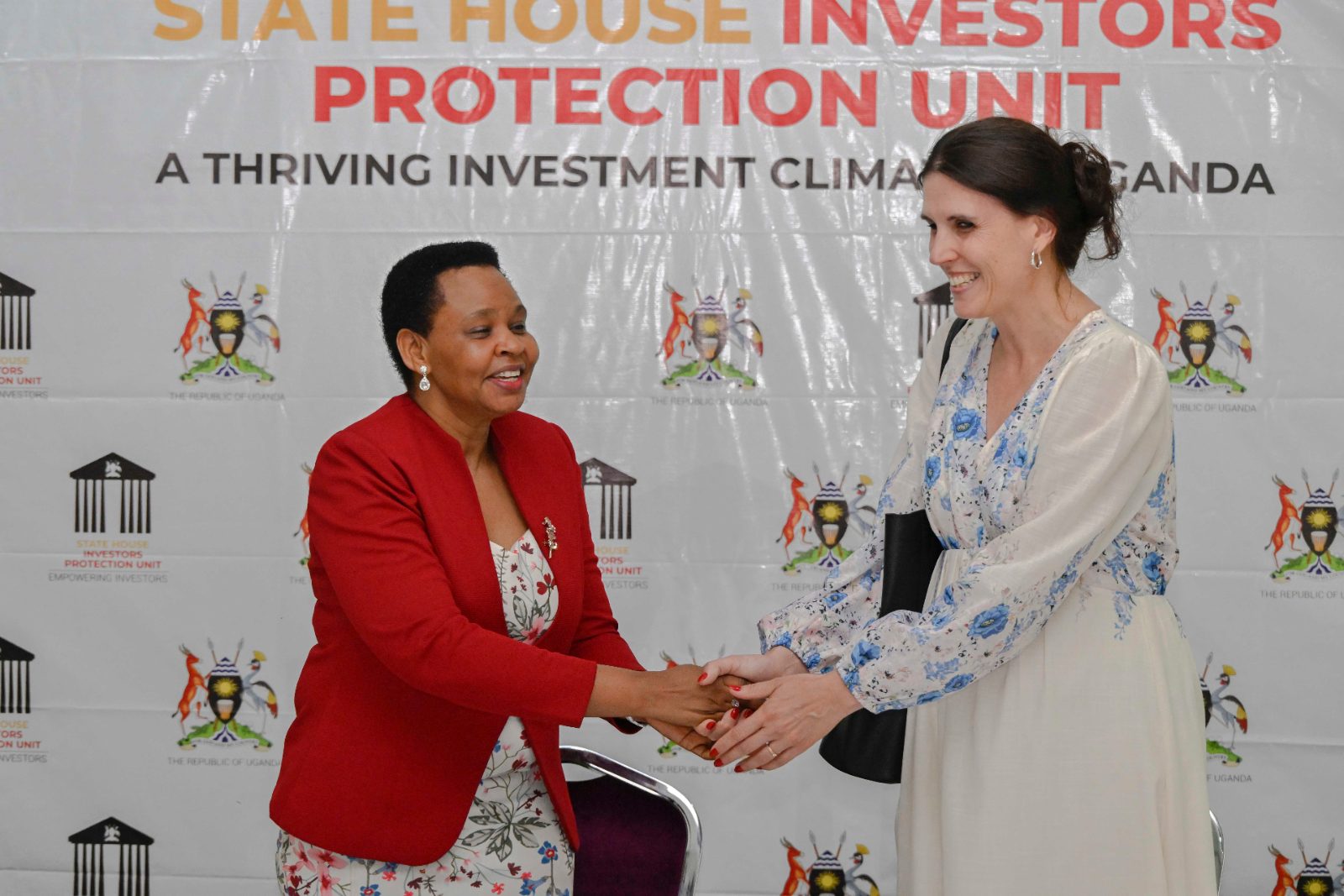
Sweden Explores Energy and Transport Investment Opportunities in Uganda
Kyabazinga Urges Busoga Youth to Embrace Education, Skills and Agriculture
Museveni Calls for Stronger Japanese Investment and Infrastructure Partnership