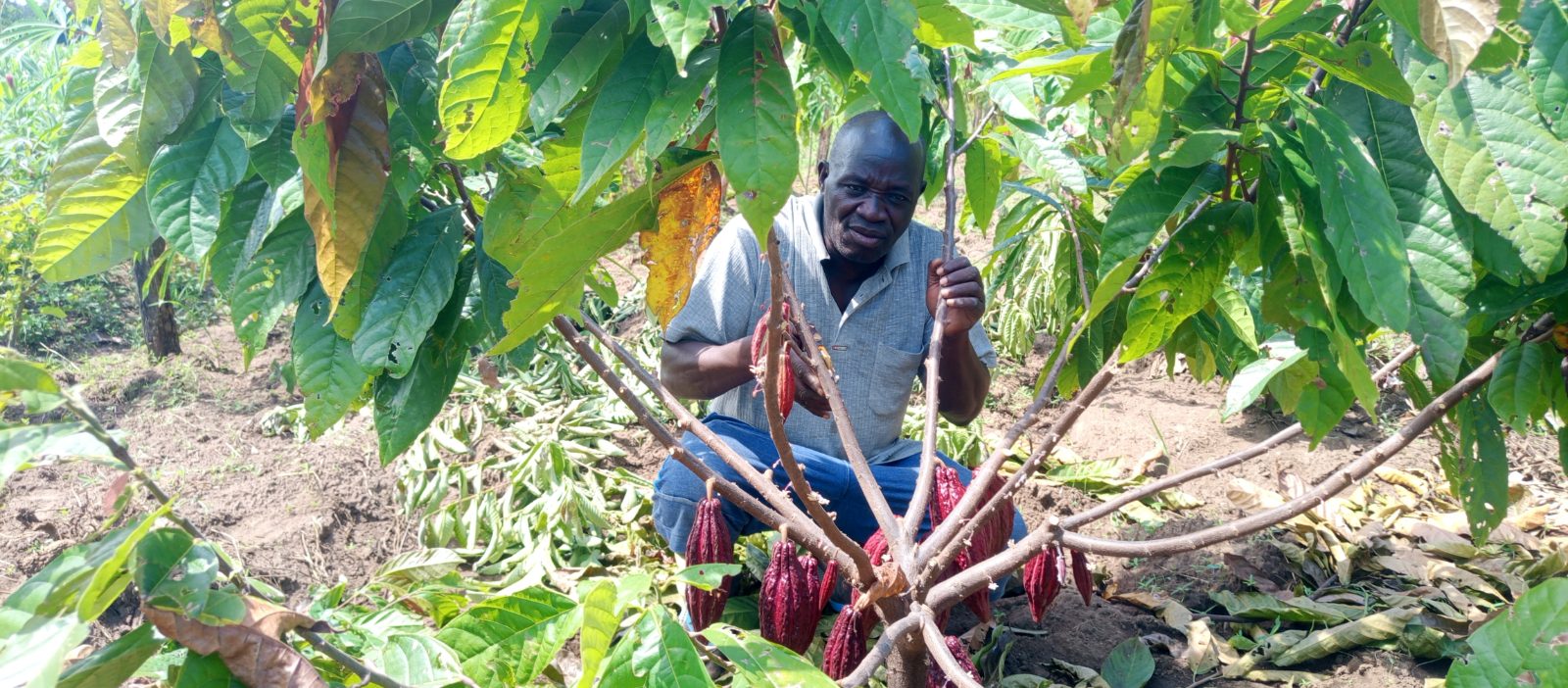
50,000 Coffee Seedlings Target 500 Busoga Farmers in Major Push to Fight Poverty
Government distributes 50,000 disease-resistant coffee seedlings to approximately 500 farmers in Iganga and Bugweri districts, as Nile Source Cooperative Union pushes for increased production and value addition.

Founder & Chief Editor · 11 November 2026 · 3 min read
By Barasa Richard
IGANGA DISTRICT – Approximately 500 farmers in Iganga and Bugweri districts are set to benefit from a government-supported coffee-growing initiative following the distribution of 50,000 coffee seedlings aimed at improving household incomes and strengthening commercial agriculture in the Busoga sub-region.
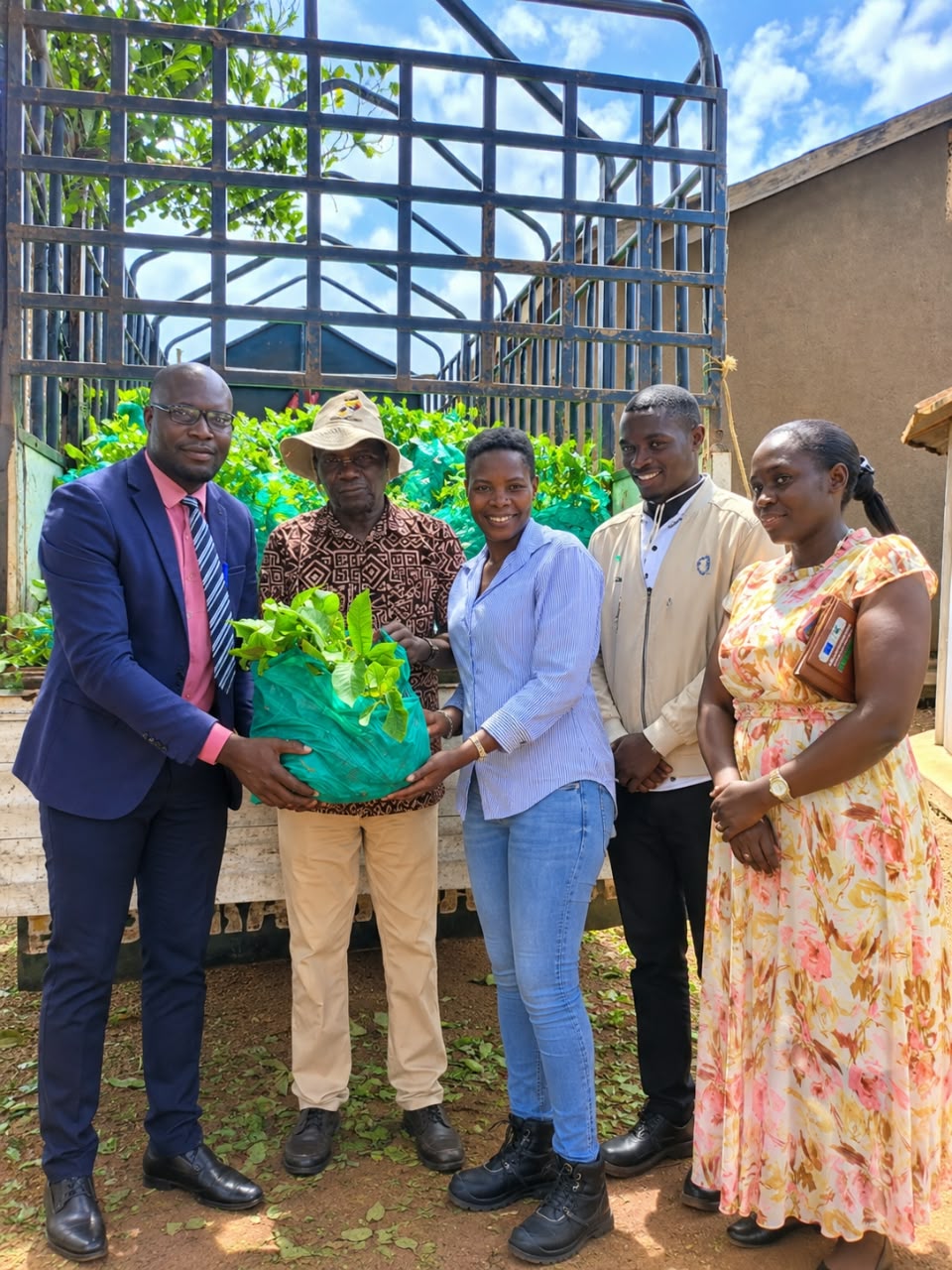
The seedlings, distributed through the Ministry of Agriculture, Animal Industry and Fisheries, were officially handed over to farmers organised under Nile Source Cooperative Union during a ceremony held at Iganga District Production Offices on Tuesday, November 10, 2026.
Under the programme, each of the approximately 500 beneficiaries is expected to receive planting materials sufficient to establish a one-acre coffee garden, providing an opportunity for households to invest in a long-term income-generating agricultural enterprise.
Lydia Taaka, an agriculture officer with the Ministry of Agriculture, said the seedlings are of a variety resistant to coffee wilt disease, which has historically affected coffee production by destroying plants and reducing farmers' yields.
She encouraged farmers to embrace coffee growing as a commercial venture, noting that the crop could help improve household economic conditions.
The disease-resistant variety is expected to strengthen farmers' ability to establish more resilient coffee gardens. However, she emphasised the importance of proper agricultural practices to ensure healthy plant growth and productive harvests.
For farmers who have traditionally depended on seasonal food crops, coffee offers an opportunity to diversify agricultural production and establish a more sustainable source of income.
Dr David Muduli, Chairperson of Nile Source Cooperative Union, welcomed the government's intervention, describing it as an important achievement for farmers who had been seeking support to expand commercial coffee production.
Muduli revealed that the seedlings had been requested through the Operation Wealth Creation programme, expressing appreciation that the farmers' request had finally been fulfilled.
He said the distribution would help participating households increase agricultural production, expand their farming activities and improve their livelihoods.
However, he noted that the cooperative's ambitions extend beyond increasing coffee production, revealing plans to venture into value addition to enable farmers earn more from their produce.
He appealed for additional government support to facilitate the establishment of processing facilities and other infrastructure necessary to strengthen the cooperative's value-addition plans.
According to Muduli, enabling farmers to participate in processing and marketing could improve their bargaining power and allow them to benefit from more profitable stages of the agricultural value chain.
Value addition remains an important opportunity for agricultural cooperatives, particularly in regions where smallholder farmers often depend on selling raw produce without fully benefiting from processing and packaging.
For Busoga, developing this capacity could also create employment opportunities for young people through coffee processing, transportation, packaging and marketing.
Nevertheless, stakeholders say the success of the initiative will depend on more than the distribution of planting materials.
Farmers will require continuous guidance from agricultural extension workers on planting methods, spacing, soil preparation, pruning, pest management and disease control.
Regular monitoring will also be necessary to ensure that the seedlings reach the intended beneficiaries, are properly planted and survive to maturity.
As production expands, farmers will equally need reliable buyers, competitive markets, appropriate storage facilities and access to information about prevailing coffee prices.
Without these supporting structures, increased production may not automatically translate into improved household incomes.
The initiative therefore presents an opportunity for government agencies, local authorities and cooperative societies to strengthen their collaboration in promoting commercial agriculture.
For the approximately 500 beneficiaries, the 50,000 seedlings represent an investment in their future, with the potential to support family incomes, education, healthcare and other household needs.
Ultimately, the programme's success will be measured not by the number of seedlings distributed but by the number of productive coffee gardens established, successful harvests realised and households whose livelihoods improve.
For Busoga, the seeds of opportunity have been planted. The challenge now is turning them into lasting prosperity.
Founder & Chief Editor
Founder and Chief Editor of Osmara Digital Media. Journalist and historian telling Africa's stories through an African lens, from West Nile to the continent.