
Can Kampala Learn from Africa's Cities to End Traffic Gridlock?
Kampala's Old Taxi Park highlights transport challenges as African cities offer solutions.

Founder & Chief Editor · 1 August 2026 · 3 min read
By Osmara Digital Media-Africa in focus
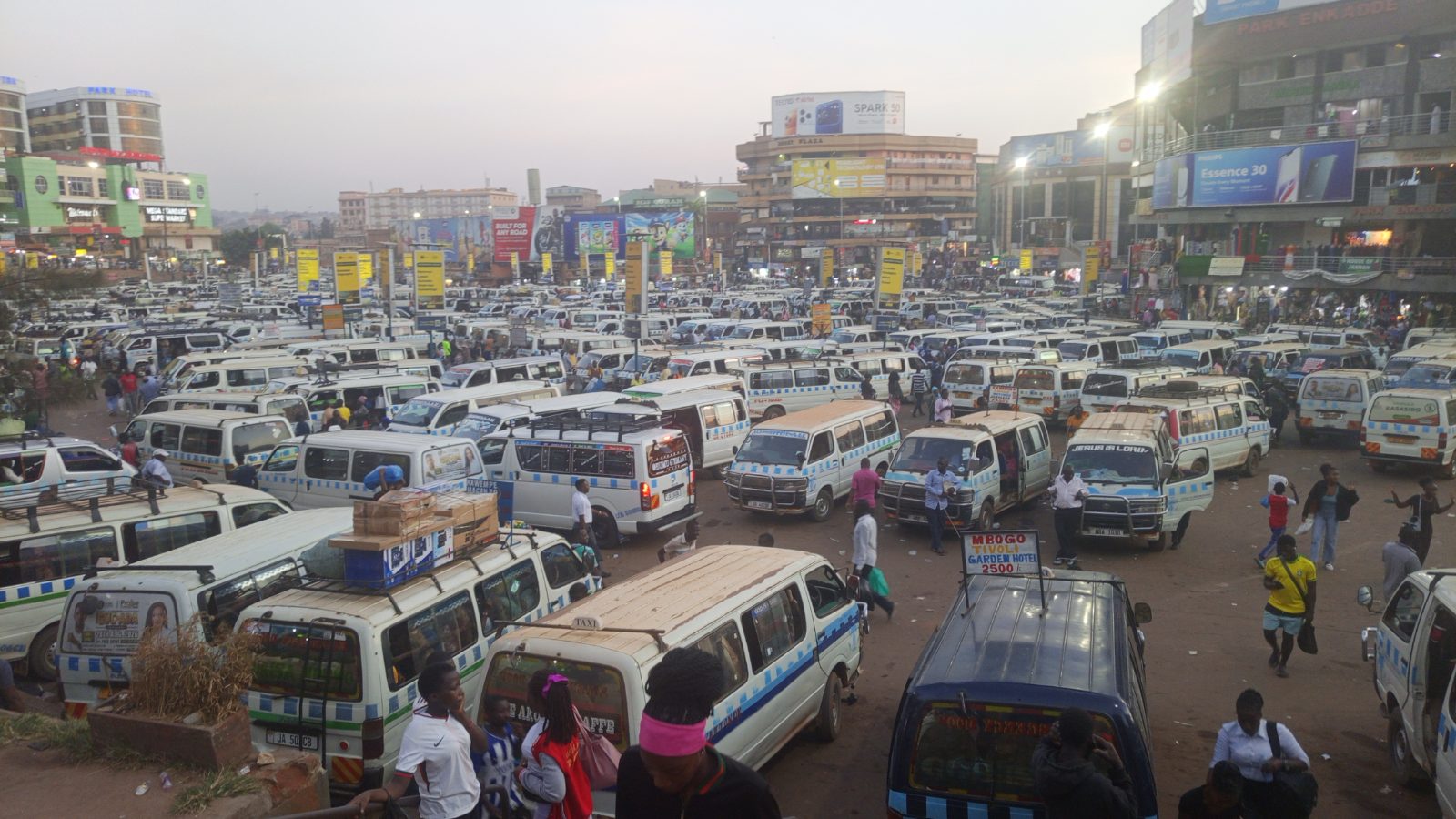
KAMPALA, Uganda — The Old Taxi Park remains one of Kampala’s most recognizable landmarks — a busy transport hub filled with white and blue minibuses, passengers, traders, and constant movement. Every day, thousands of commuters pass through the park, making it a vital part of the city’s public transport system. But behind the energy and activity lies a major urban challenge: congestion. The crowded vehicles, traffic delays, loud horns, and movement of pedestrians reflect a city struggling to keep pace with rapid population growth. The Old Taxi Park is more than just a transport centre; it represents Kampala’s wider urban challenges, where economic activity continues to grow faster than infrastructure development. A City Moving Faster Than Its Roads Kampala’s expanding population and increasing demand for public transport have placed pressure on existing roads and transport systems. Many residents spend hours in traffic, affecting productivity, business, and quality of life. The city’s transport network largely depends on informal taxi operations, which provide affordable mobility for millions but often face challenges including poor coordination, limited regulation, and overcrowded routes. The situation at the Old Taxi Park reflects broader issues of urban planning, investment, and the need for modern transport solutions that can serve a growing city. Lessons from Africa’s Urban Reformers While Kampala continues to search for answers, several African cities have introduced transport reforms that offer important lessons. Lagos, Nigeria: Organised Bus Systems Can Transform Mobility Lagos was once known for severe traffic congestion, but the introduction of the Bus Rapid Transit (BRT) system helped create a more organised public transport network. Dedicated bus lanes, improved scheduling, and better management showed that structured transport systems can reduce travel time and improve reliability in large cities. Lesson for Kampala: Formal transport systems and dedicated routes can bring order to busy urban corridors. Dar es Salaam, Tanzania: Inclusive Transport Reform Dar es Salaam introduced the Dar Rapid Transit (DART) system to improve movement across the city. The project demonstrated how gradual reforms can work alongside existing transport operators. By connecting major routes with feeder services, the city showed that modern transport improvements can include rather than replace communities that depend on informal transport. Lesson for Kampala: Successful reforms should involve transport operators and passengers. Addis Ababa, Ethiopia: Expanding Transport Choices Addis Ababa invested in light rail transport and improved pedestrian infrastructure to reduce pressure on roads. The introduction of alternative transport options helped the city move toward a more efficient urban system. Lesson for Kampala: Cities need diverse transport options, including buses, rail, walking paths, and safer streets. Kampala’s Opportunity for Change Uganda’s capital has an opportunity to transform its transport future by learning from other African cities. Improving the Old Taxi Park and surrounding areas, introducing better traffic management, expanding organised bus routes, and embracing digital solutions could help reduce congestion. However, the transition must consider the thousands of people whose livelihoods depend on the current taxi system. Modernisation should improve efficiency while protecting the communities that keep the city moving. Experts argue that Kampala’s future transport success will depend on stronger planning, investment, and coordination between government, transport operators, and communities. From Congestion to Sustainable Mobility The Old Taxi Park may currently symbolise Kampala’s traffic challenges, but it could become a symbol of transformation. With the right policies, the same place known for congestion could become an example of how African cities can redesign urban mobility for the future. The challenge is not only about moving vehicles faster — it is about creating a city where people can travel safely, businesses can grow, and communities can enjoy a better quality of life. As Kampala continues to expand, lessons from Lagos, Dar es Salaam, and Addis Ababa show that better transport planning can turn urban challenges into opportunities for sustainable growth. OSMARA DIGITAL MEDIA – Africa in Focus
Founder & Chief Editor
Founder and Chief Editor of Osmara Digital Media. Journalist and historian telling Africa's stories through an African lens, from West Nile to the continent.
Related stories
Kampala on Two Wheels: The Boda Boda Riders Keeping the City Moving
RDC Secretariat, Anti-Corruption Unit Warn Iganga Leaders: ‘No More Sleep, No More Corruption’
Police Warn Relatives Against Evicting Widows and Orphans from Land in Iganga