€14 Million for Uganda: Will West Nile Farmers Actually Benefit?
A €14 million EU, WFP and GIZ programme raises hopes for better livelihoods, but will West Nile farmers benefit?
Founder & Chief Editor · 12 August 2026 · 4 min read
For farmers in Uganda, development funding often arrives with promises of better livelihoods, stronger agricultural value chains and greater economic opportunities. But in West Nile, where thousands of households depend on small-scale farming, the real measure of such investment will be whether it reaches communities and improves the lives of ordinary farmers.
The question comes after the launch of a €14 million livelihoods programme in Uganda by the European Union, the World Food Programme and the German development agency GIZ. The programme is expected to support livelihoods and strengthen the resilience of vulnerable communities. But for West Nile, an important question remains: will farmers in the region actually benefit? West Nile's economy is closely tied to agriculture. From cocoa and coffee to cassava, maize, sesame and other crops, farming provides food and income for families across the region. Yet many farmers continue to face serious challenges. Limited access to affordable finance, poor roads, inadequate storage, unreliable markets, climate pressures and low bargaining power can prevent increased production from translating into higher household incomes. For this reason, the impact of the new funding should not be measured simply by the amount of money announced or the number of training sessions conducted.
The real test will be whether farmers can produce more, sell at better prices, reduce losses and build sustainable businesses.
Where will the €14 million go?
This is one of the most important questions for communities and development stakeholders. A national livelihoods programme may not automatically mean that every district will receive funding. Projects of this nature normally have specific geographical areas, target groups, implementing partners, activities and budgets.
West Nile farmers therefore need clear information about whether their districts are included, which communities are being targeted and how they can participate. Transparency over the programme's geographical coverage would help prevent confusion and allow local leaders, farmer organisations, civil society and journalists to monitor implementation.
Farmers need markets, not just training West Nile has seen agricultural programmes that have focused heavily on farmer training and mobilisation. Training remains important, but knowledge alone cannot solve the challenges facing smallholder farmers. A farmer can receive improved seeds, learn better farming practices and increase production, but still struggle if there is no reliable market. The same applies to cocoa and coffee farmers who may increase their harvest but receive poor prices because they lack storage facilities, processing capacity or collective bargaining power. The new investment therefore presents an opportunity to strengthen the entire agricultural value chain. That means supporting farmers from production to aggregation, storage, processing, transportation, financing and access to markets.
West Nile's agricultural potential The region has considerable agricultural potential. Cocoa has emerged as an increasingly important cash crop in parts of West Nile, while coffee remains a major agricultural opportunity. Other crops provide food security and income for thousands of households.
But agricultural potential does not automatically produce prosperity. Farmers need quality planting materials, extension services, access to finance and technologies that can help them cope with changing weather patterns. They also need roads and market infrastructure that allow produce to reach buyers without excessive costs. Investment in local processing could be particularly important. Instead of farmers selling raw agricultural products, stronger value chains could allow more processing to take place within the region, creating employment and keeping more income within local communities.
The accountability question The €14 million programme should therefore be accompanied by clear information about how the money will be used. Communities should be able to know which districts are covered, how many farmers are expected to benefit, what activities will be funded and which organisations will implement them. There should also be clear mechanisms for monitoring beneficiaries, measuring results and reporting concerns. Development funding is most valuable when communities can see tangible results. For farmers, success should be visible through better production, improved household incomes, stronger farmer organisations, increased market access and new economic opportunities for young people and women.
Women farmers cannot be left behind
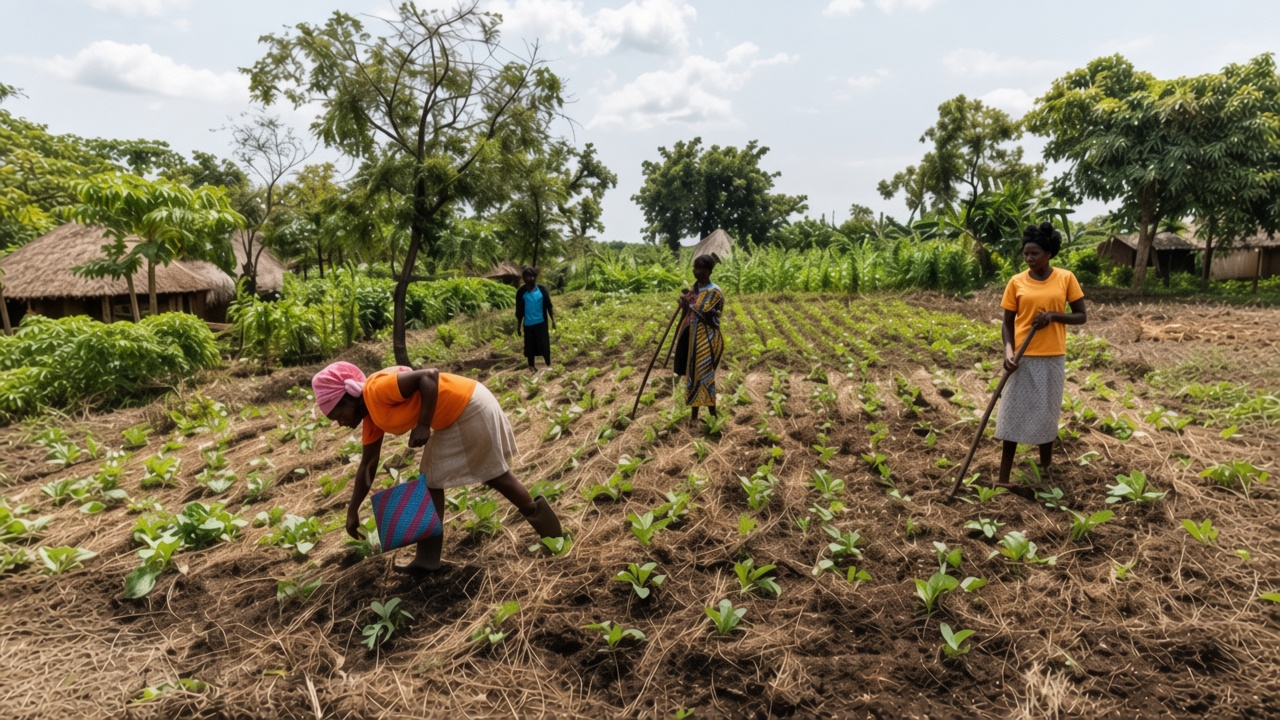
The image of women working in gardens across West Nile reflects an important reality: women are central to agricultural production and household food security. Yet women farmers can face additional barriers in accessing land, finance, agricultural inputs, markets and decision-making opportunities. Any livelihoods programme seeking to reduce poverty should therefore ensure that women are not simply counted as beneficiaries but are meaningfully supported to control and benefit from the economic opportunities created.
This could include access to finance, agricultural training, markets, processing facilities and participation in farmer organisations.
West Nile deserves a clear place in the conversation The arrival of €14 million in livelihoods funding is an opportunity for Uganda to strengthen vulnerable communities. But for West Nile, the important story is not the announcement itself. It is what happens after the announcement. Will farmers receive practical support? Will agricultural businesses grow? Will women and young people gain new opportunities? Will local farmer organisations participate? And most importantly, will the investment translate into higher and more sustainable incomes? These are questions that require continued monitoring as the programme moves from launch to implementation. For Osmara Digital Media, the story does not end with the announcement of €14 million. The real story begins with following the money. If West Nile is included, farmers should be able to see and feel the impact—in their gardens, their incomes, their businesses and their communities. If they are not, the region will have every reason to ask a simple question: Where did the money go?
Founder & Chief Editor
Founder and Chief Editor of Osmara Digital Media. Journalist and historian telling Africa's stories through an African lens, from West Nile to the continent.
Related stories
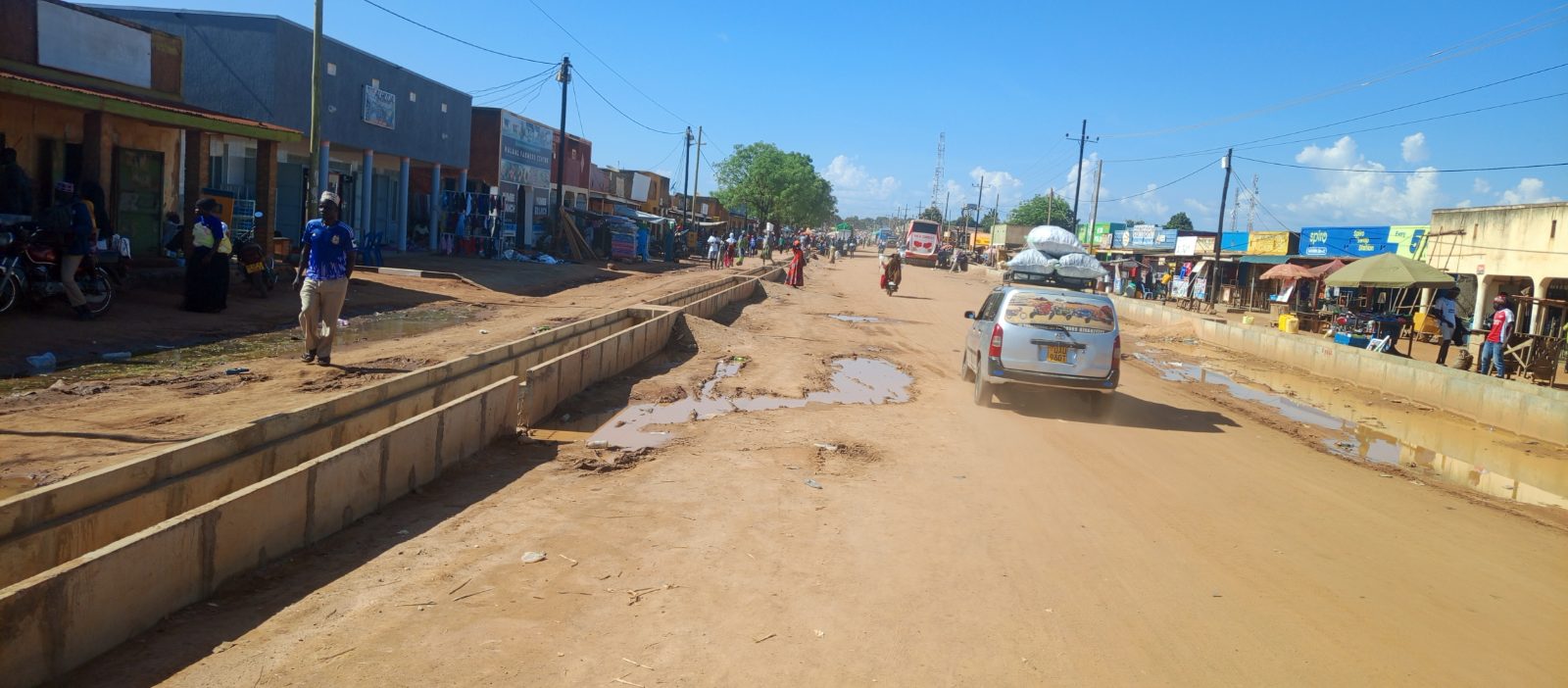
Yumbe Town’s Urban Development Gains Momentum as Drainage Works Transform Commercial Centre
Koboko Farmer Bets on Coffee and Cocoa to Unlock Agricultural Potential
Museveni Urges Busoga Families to Turn Small Landholdings into Wealth-Creation Opportunities