Mbarara’s Changing Skyline: How the City Is Building Up
Mbarara City is witnessing a steady construction boom as modern commercial buildings, hotels, offices and residential developments reshape its skyline and reflect its growing role as a regional business hub.
Founder & Chief Editor · 15 August 2026 · 3 min read
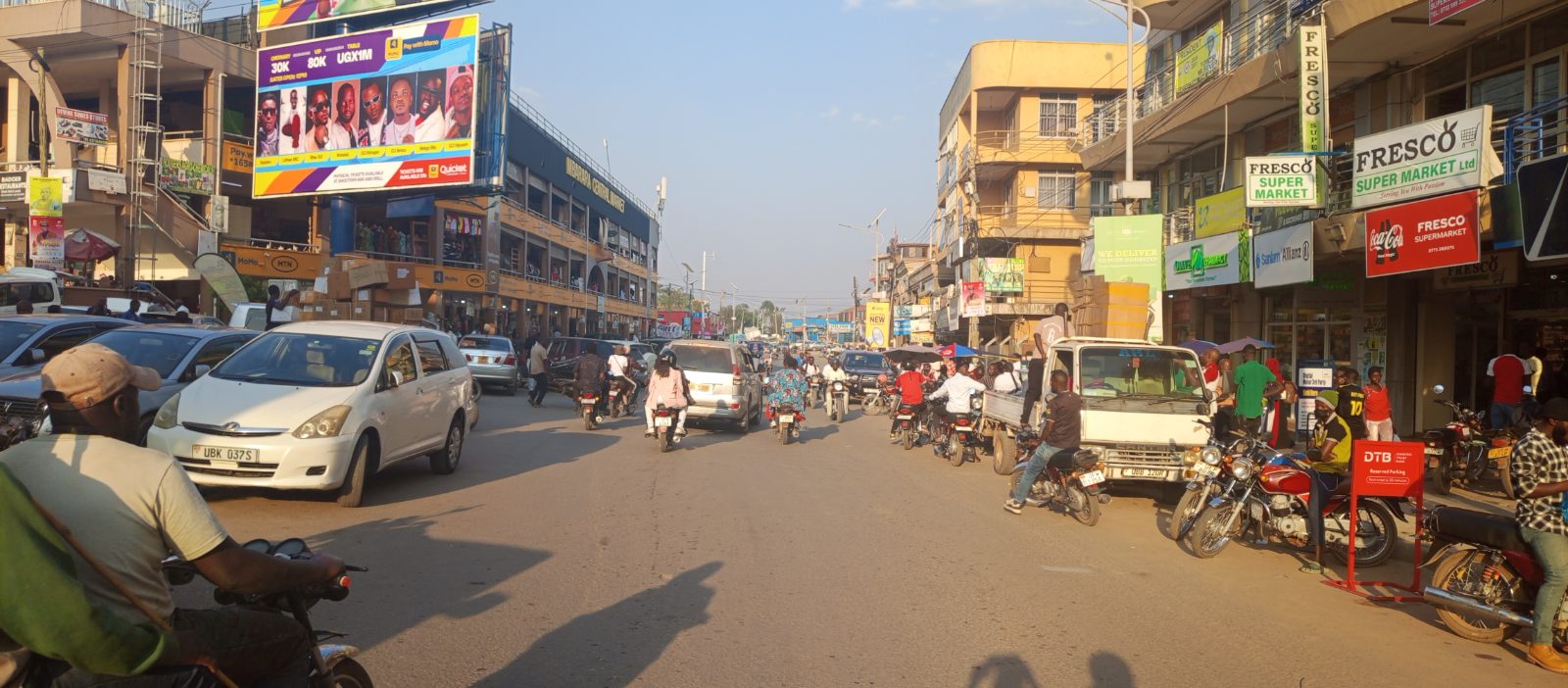
Mbarara City is steadily changing its physical identity, with new commercial buildings, hotels, offices and residential developments reshaping the skyline of one of western Uganda’s fastest-growing urban centres.
For decades, Mbarara was widely associated with cattle markets, agricultural trade and its position as a major stopover along the western corridor. Today, a walk through the city presents a different picture. Construction sites, multi-storey buildings, modern business premises and expanding commercial centres are becoming increasingly visible across the city.
The changing skyline reflects more than architectural transformation. It points to the growing demand for business space, accommodation, retail services and housing as Mbarara continues to attract traders, professionals, students, investors and visitors from different parts of Uganda and the neighbouring region. From regional town to urban centre Mbarara’s strategic location has played an important role in its growth.
The city serves as a commercial link between central Uganda and the wider western region, while its proximity to the borders with Rwanda and the Democratic Republic of Congo gives it an important position in regional trade and movement.
This strategic advantage has created demand for infrastructure capable of supporting a growing urban population and expanding economy. As businesses expand, property developers are responding by putting up larger and more modern buildings. Construction changes the face of the city One of the most noticeable changes during a tour of Mbarara is the increasing number of multi-storey structures.
Where low-rise shops and older buildings once dominated parts of the urban landscape, taller commercial and mixed-use buildings are becoming more common.
These developments are creating space for offices, shops, restaurants, financial institutions, hotels and other services.
The transformation is particularly significant because buildings are not simply changing the appearance of Mbarara; they are also changing how commercial activities are organised within the city.
A growing business destination Mbarara’s expanding skyline is closely connected to its role as a business centre for western Uganda. People from surrounding districts regularly come to the city for trade, education, healthcare, banking, shopping and other services.
This large catchment area creates a market for property development. For investors, the growing concentration of people and economic activities provides opportunities in commercial real estate, hospitality, retail and residential housing.
The cattle economy meets the modern city Mbarara’s transformation does not mean the city has abandoned its agricultural roots.
The cattle economy remains an important part of the wider region's identity and commercial activity. Instead, the modern Mbarara is increasingly combining its traditional agricultural economy with services, trade, education, healthcare, tourism and real estate. This combination is helping produce a city that looks increasingly different from the Mbarara of previous decades.
What does the skyline say about Mbarara’s future?
A city’s skyline can tell a story about its economic ambitions. The cranes, new buildings and construction sites visible across Mbarara suggest confidence in the city’s future.
But rapid construction also presents questions for urban planners and authorities. As Mbarara continues to grow, the city will need to ensure that new developments are supported by adequate roads, drainage, parking, waste management, water supply, electricity and other urban services. The challenge is therefore not simply to build higher, but to build a city that remains functional, attractive and sustainable.
Mbarara is building beyond its old identity The changing skyline provides a powerful visual representation of Mbarara’s transformation. From a town strongly identified with cattle and agricultural trade, Mbarara is increasingly presenting itself as a modern regional business and services hub.
Its buildings tell part of that story. Every new commercial block, hotel, office complex and residential development adds another layer to a city that is rapidly redefining itself.
Mbarara is not simply growing outward. It is also beginning to build upward — and its changing skyline may become one of the clearest signs of the city’s economic ambitions.
Founder & Chief Editor
Founder and Chief Editor of Osmara Digital Media. Journalist and historian telling Africa's stories through an African lens, from West Nile to the continent.
Related stories
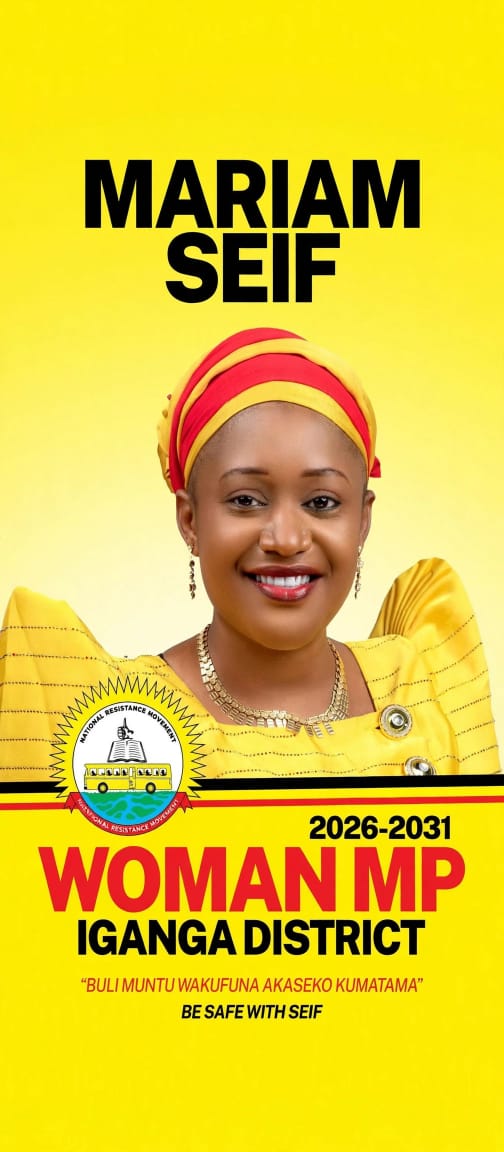
Hon. Mariam Seif Secures Electricity Expansion for Over 30 Villages in Iganga District
Yumbe Town’s Urban Development Gains Momentum as Drainage Works Transform Commercial Centre

Sweden Explores Energy and Transport Investment Opportunities in Uganda