Africa’s AFCON Gamble: The $1 Billion Question Facing CAF
CAF’s shift to a four-year Africa Cup of Nations cycle could transform African football’s business model, but the move comes with a reported $1 billion commercial question hanging over the continent’s biggest football tournament.

Founder & Chief Editor · 9 August 2026 · 6 min read
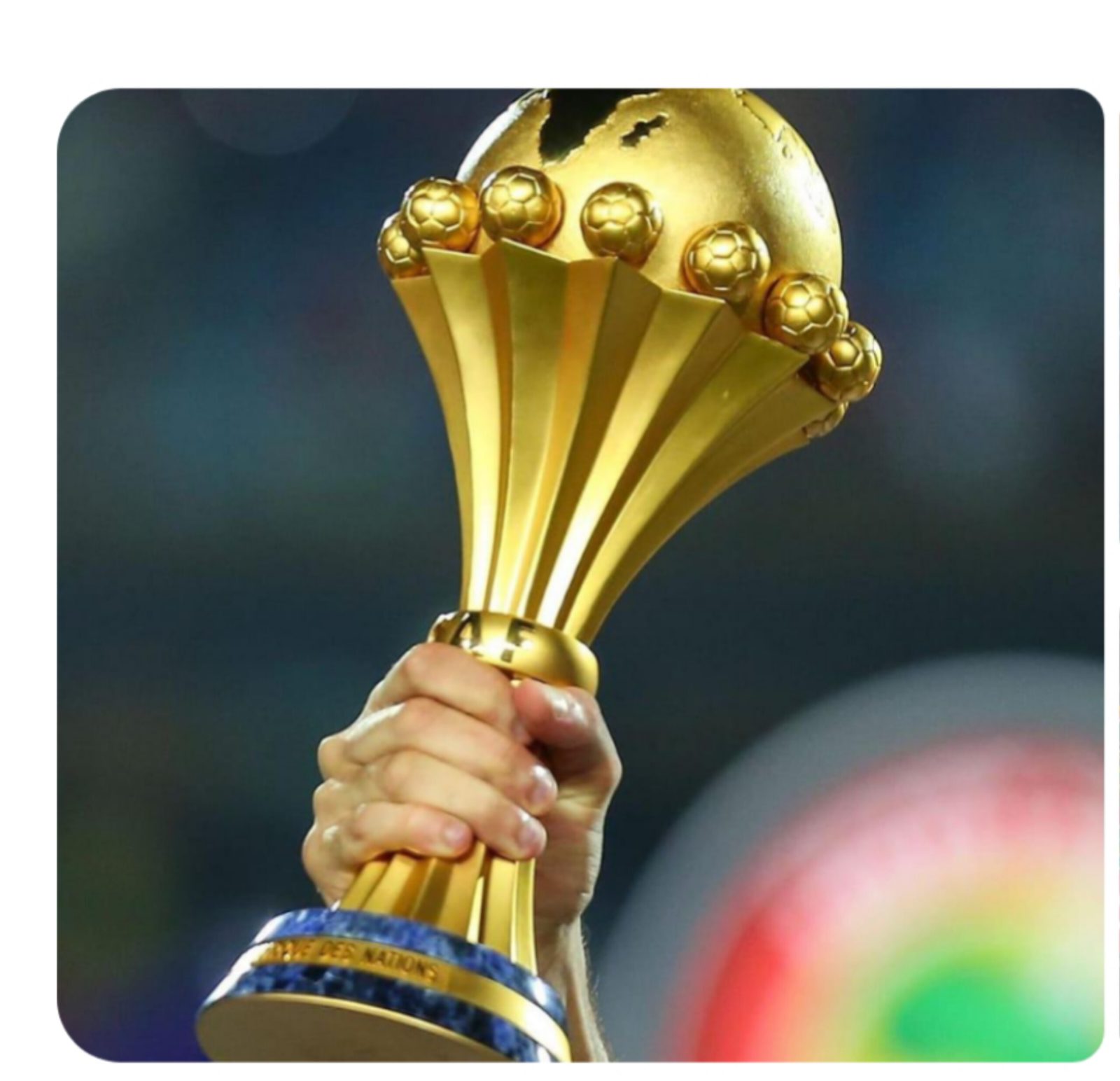
By Osmara Digital Media RABAT/JOHANNESBURG — African football is entering a new commercial era, but a major decision by the Confederation of African Football (CAF) has raised a billion-dollar question: can Africa afford to reduce its biggest football tournament from every two years to every four? CAF's decision to change the Africa Cup of Nations (AFCON) cycle has already had a significant financial consequence. According to an investigation by The Guardian, CAF abandoned a commercial rights deal that would have guaranteed at least $1 billion in income over eight years after the confederation decided to move AFCON to a four-year cycle.
The figure is significant because AFCON is not simply a football tournament. It is one of Africa's biggest sporting properties, bringing together national teams, broadcasters, sponsors, tourism industries and millions of supporters across the continent and the diaspora.
CAF says the reform is intended to make African football more competitive and financially sustainable while reducing clashes between national-team football and the increasingly crowded international calendar.
Under the new structure, the 2027 AFCON will be the last tournament before the new four-year rhythm takes effect. Kenya, Tanzania and Uganda are scheduled to jointly host that edition from June 19 to July 17, 2027. CAF has already opened the bidding process for the 2028, 2032 and 2036 tournaments.
Confédération Africaine de Football The change means fewer AFCON tournaments over the same period. That is precisely where the commercial challenge emerges. The $1 billion commercial question According to The Guardian, CAF's 2025 commercial tender process was nearing completion when the organisation's Executive Committee decided in December 2025 to change AFCON's frequency.
CAF communications chief Luxolo September told the newspaper that the change in the tournament cycle materially altered the commercial rights available, meaning the previous tender could no longer proceed in its existing form.
The economics are straightforward. A sponsor buying rights to four AFCON tournaments over eight years has access to twice as many flagship events as a sponsor buying rights to only two tournaments during the same period.
That does not automatically mean CAF has lost $1 billion in cash. Rather, the reported figure represents potential secured commercial income that was abandoned when the original package became unworkable. The value of future rights will depend on the new tender process and what broadcasters and sponsors are ultimately prepared to pay. CAF now has to prove that its new model can compensate for the reduced frequency. CAF has a plan to replace the missing AFCON years
The confederation is not simply removing tournaments from the calendar.
In December 2025, CAF announced the creation of an African Nations League, designed to provide a major senior men's national-team competition in Africa every year except FIFA World Cup years. CAF says the competition will be developed in partnership with FIFA and will feature Africa's leading players, including those playing in major overseas leagues.
Confédération Africaine de Football The strategy is clear: make African national-team football more regular while turning AFCON itself into a less frequent but potentially more valuable premium event.
CAF President Patrice Motsepe has argued that the four-year cycle can generate significantly more revenue and reduce the pressure created by competing international competitions and club commitments.
The new approach also attempts to address a long-running problem for African national teams: the tension between national duty and European club football.
Many of Africa's leading players are employed by clubs outside the continent. When AFCON is played, clubs must release those players, creating conflicts over scheduling, travel and player workload. CAF's argument is that a less frequent AFCON could make the tournament more valuable while reducing some of those calendar pressures.
But what does Africa lose? The financial argument is only one side of the debate. AFCON has become one of the continent's most powerful cultural events. It gives African countries an opportunity to showcase their football, cities, tourism, music, hospitality and national identity to a global audience.
CAF itself described AFCON as the continent's biggest football event. The confederation has said the competition has generated billions of television and digital views globally.
Confédération Africaine de Football For smaller football nations, AFCON also provides something money cannot easily replace: visibility. A country that rarely appears on the global sporting stage can suddenly become the centre of international attention after qualifying for AFCON. Players can attract scouts, sponsors and international clubs, while local businesses benefit from the excitement surrounding the tournament.
Moving the competition to a four-year cycle could therefore create longer gaps between those opportunities. The bigger business challenge CAF's dilemma is part of a wider transformation in African football. The organisation has increased investment in club competitions. In May 2026, CAF said its annual investment in interclub football had risen from $19 million in 2021 to $48 million in 2026, a 153% increase. Confédération Africaine de Football The challenge is now to convert that growing investment into a sustainable commercial ecosystem.
African football has enormous audiences, but translating popularity into revenue remains difficult compared with European football. Television rights, sponsorship, stadium infrastructure, merchandising, ticketing and digital platforms all have room for growth. That is why the AFCON decision matters beyond the tournament itself. If CAF can sell fewer AFCON editions for substantially higher commercial value while creating a strong African Nations League, the gamble could eventually pay off. If it cannot, the confederation may have sacrificed a proven revenue-generating property without building an equally powerful replacement. Uganda, Kenya and Tanzania enter the spotlight
For East Africa, the 2027 tournament will carry particular significance. Uganda, Kenya and Tanzania are preparing to co-host AFCON for the first time. The tournament is expected to provide an opportunity to accelerate stadium development, tourism, transport, hospitality and sports-business investment across the three countries.
The tournament will also become the bridge between the old AFCON model and the new era. For fans in Kampala, Nairobi and Dar es Salaam, 2027 will therefore be more than another continental championship. It will be the last biennial AFCON before the four-year model begins. That places additional importance on the tournament's commercial success. A gamble on the future of African football CAF is betting that scarcity will increase value.
The theory is familiar in global sports: a major event that happens less frequently can become more prestigious, more desirable to broadcasters and more attractive to sponsors. But African football has its own realities. The continent needs stronger domestic leagues, better stadiums, improved youth development, reliable broadcasting infrastructure and more commercially powerful clubs. AFCON remains one of the few properties capable of generating continent-wide attention on a regular basis.
The question facing CAF is therefore bigger than the reported $1 billion commercial opportunity. Can CAF make African football more valuable by making its biggest tournament less frequent? The answer will determine whether the four-year AFCON cycle becomes one of the organisation's smartest business decisions—or one of its most expensive gambles.
Sources: The Guardian investigation on the abandoned commercial deal; CAF's official announcements on the four-year AFCON cycle, African Nations League and 2028–2036 hosting process.
Founder & Chief Editor
Founder and Chief Editor of Osmara Digital Media. Journalist and historian telling Africa's stories through an African lens, from West Nile to the continent.