
West Nile’s Charcoal Trade Faces Security Crackdown
West Nile’s charcoal trade is coming under a security crackdown as authorities move to protect the region’s trees, raising concerns about livelihoods and affordable cooking fuel.

Founder & Chief Editor · 12 August 2026 · 2 min read
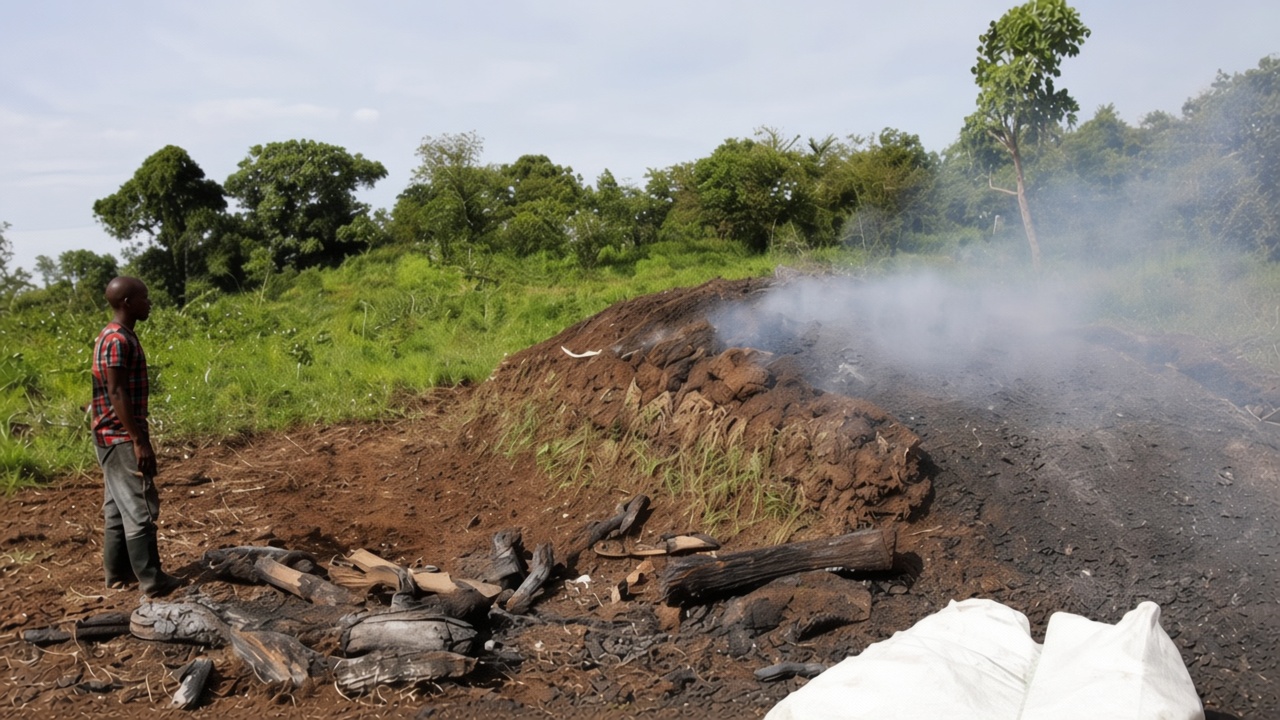
By Osmara Digital Media The charcoal trade in West Nile is facing increased scrutiny following a directive by the Uganda People’s Defence Forces (UPDF) ordering action against charcoal burning in Northern Uganda and the West Nile region.
The directive has renewed concerns about the rapid loss of trees while raising questions about the thousands of households that rely on charcoal production, transportation and sales for their livelihoods.
Charcoal remains widely used by households, restaurants and small businesses because it is relatively accessible and, in many rural communities, easier to obtain than alternative cooking fuels.
However, environmental concerns are growing as increased charcoal production contributes to the loss of tree cover and places additional pressure on the region’s natural resources.
The security intervention has also created concern among people whose incomes are directly connected to the charcoal business. The trade supports a chain of economic activities involving tree cutters, charcoal producers, transporters, loaders, wholesalers and roadside sellers. A crackdown could therefore affect more than the people directly involved in burning charcoal.
Environmental protection advocates, however, argue that continued destruction of trees could have long-term consequences for communities already facing changing weather patterns, prolonged dry spells and declining agricultural productivity. The challenge for authorities is how to protect the environment without leaving vulnerable households without an alternative source of income. Possible alternatives include improved energy-saving cooking stoves, LPG, electricity, sustainable woodlots and livelihood programmes supporting agriculture, beekeeping, poultry and other small businesses. For West Nile, the charcoal question is increasingly becoming both an environmental and economic issue.
While enforcement may reduce illegal charcoal production, community leaders and environmental experts say sustainable alternatives will be necessary if the region is to reduce dependence on charcoal without worsening household poverty.
Founder & Chief Editor
Founder and Chief Editor of Osmara Digital Media. Journalist and historian telling Africa's stories through an African lens, from West Nile to the continent.
Related stories
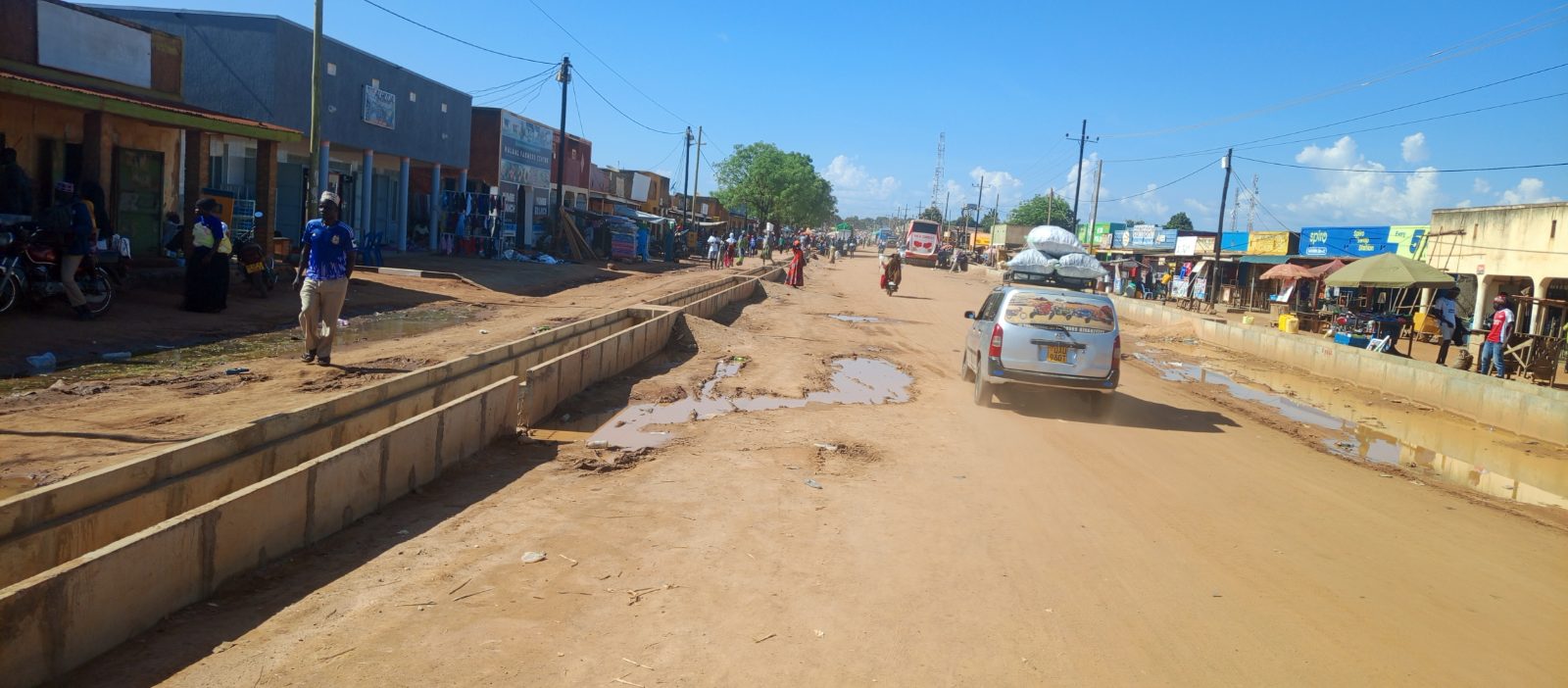
Yumbe Town’s Urban Development Gains Momentum as Drainage Works Transform Commercial Centre

62 SFC Officers Decorated After Promotion to New Ranks
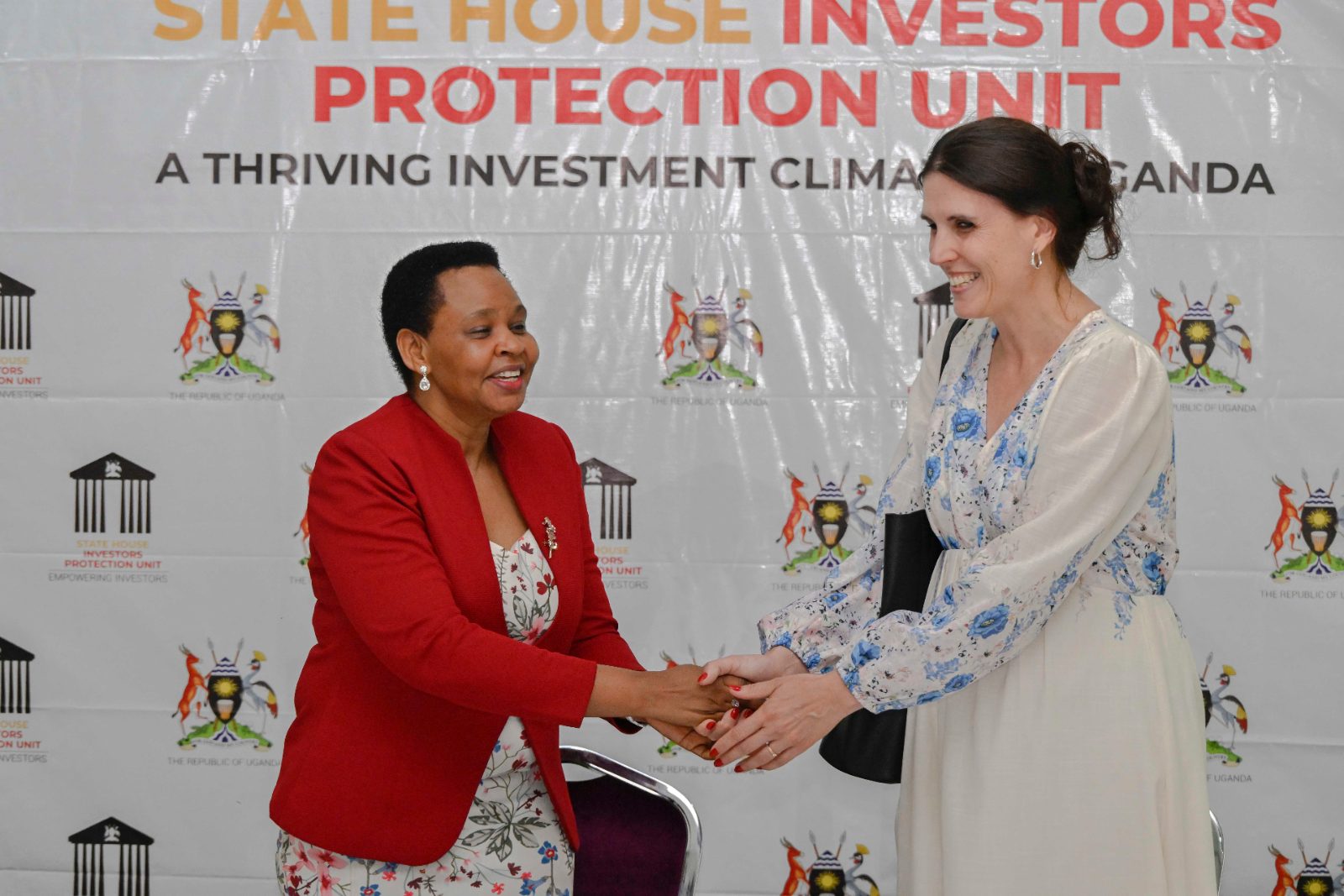
Sweden Explores Energy and Transport Investment Opportunities in Uganda