Pawpaw Gold: How a Neglected Fruit Could Lift West Nile Farmers Out of Poverty
Once seen as just a backyard fruit, pawpaw is a promising economic opportunity in West Nile, with the potential to boost farmers’ incomes.

Founder & Chief Editor · 7 August 2026 · 3 min read
By Draga Osman Brahan-West in focus
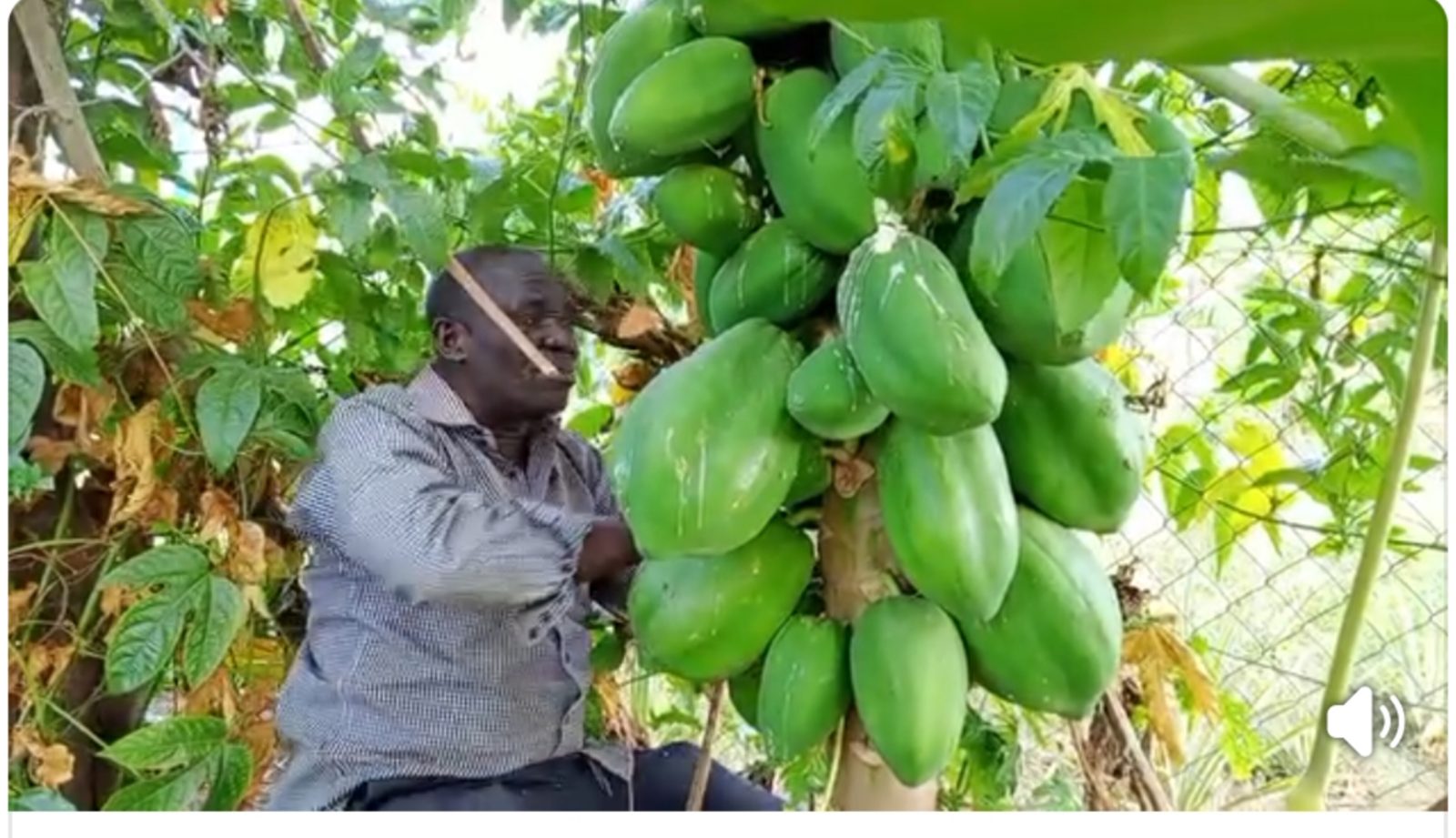
Across the villages of West Nile, a quiet agricultural opportunity is growing in many homesteads but remains largely unnoticed. The pawpaw tree, often considered just a household fruit source, could become a powerful tool for improving incomes, creating jobs and reducing poverty among smallholder farmers.
For years, farmers in the region have focused on traditional crops and cash crops, searching for reliable sources of income amid changing weather patterns, rising production costs and declining returns from some agricultural activities. But hidden among many compounds and gardens is a fruit with the potential to reshape rural livelihoods — pawpaw.
A forgotten fruit with economic potential
Pawpaw is one of the easiest fruits to grow, requiring relatively less land compared to many commercial crops. With proper management, farmers can begin harvesting within a short period, giving households a faster pathway to income.
In markets across West Nile, fresh fruits are increasingly demanded by consumers, schools, hotels, restaurants and traders. Yet much of this demand is supplied through informal channels, leaving farmers without organised systems to maximise profits.
With investment in commercial production, pawpaw could move from being a backyard fruit to a recognised agricultural enterprise. A new opportunity for smallholder farmers Many rural households in districts such as Arua, Yumbe, Maracha, Koboko, Terego and Moyo depend on small-scale farming. However, limited land, climate challenges and unstable markets continue to affect their earnings. Pawpaw couod offer farmers an opportunity to diversify their income sources. A farmer does not need hundreds of acres to benefit. Even a small plantation can provide regular harvests when supported with improved seedlings, good farming practices and access to markets.
For families struggling with daily expenses, pawpaw sales could help support education, healthcare, household needs and farm investments. Women and youth could drive the pawpaw economy.
The growth of pawpaw farming could create opportunities beyond cultivation. Women groups can establish pawpaw gardens, sell fresh fruits and venture into processing activities such as juice, jam and dried fruit production.
For young people, the sector could create jobs in seedling production, transportation, marketing and fruit processing. A thriving pawpaw value chain would mean more income opportunities within communities rather than young people leaving rural areas in search of limited urban jobs.
Climate-smart agriculture for West Nile As West Nile faces challenges from unpredictable rainfall and environmental degradation, farmers are looking for crops that can support resilience. Pawpaw can be integrated into diversified farming systems, helping households reduce dependence on a single crop. Through practices such as water conservation, mulching and organic farming, farmers can improve production while protecting the environment. The fruit can complement other emerging agricultural investments, including coffee and cocoa, by providing quicker returns as farmers wait for long-term crops to mature. The missing link: markets and value addition Despite its potential, pawpaw farming has not received the attention given to other commercial crops. Challenges remain, including limited access to quality seedlings, lack of organised farmer groups, weak market connections and minimal processing facilities. To unlock the potential of pawpaw, stakeholders including government agencies, development partners and private investors need to support farmers through training, improved varieties, storage solutions and value addition initiatives. Processing pawpaw into juice, dried fruits and other products could increase earnings and reduce losses after harvest. Turning pawpaw into West Nile’s green gold The future of agriculture in West Nile will depend on embracing new opportunities and recognising the value of crops that have been overlooked. Pawpaw may appear simple, but behind its sweet fruit lies a possible pathway to improved livelihoods, food security and rural economic growth. What communities once ignored as a common backyard fruit could become the next agricultural success story — turning pawpaw into the gold that helps West Nile farmers build a more secure future.
Founder & Chief Editor
Founder and Chief Editor of Osmara Digital Media. Journalist and historian telling Africa's stories through an African lens, from West Nile to the continent.