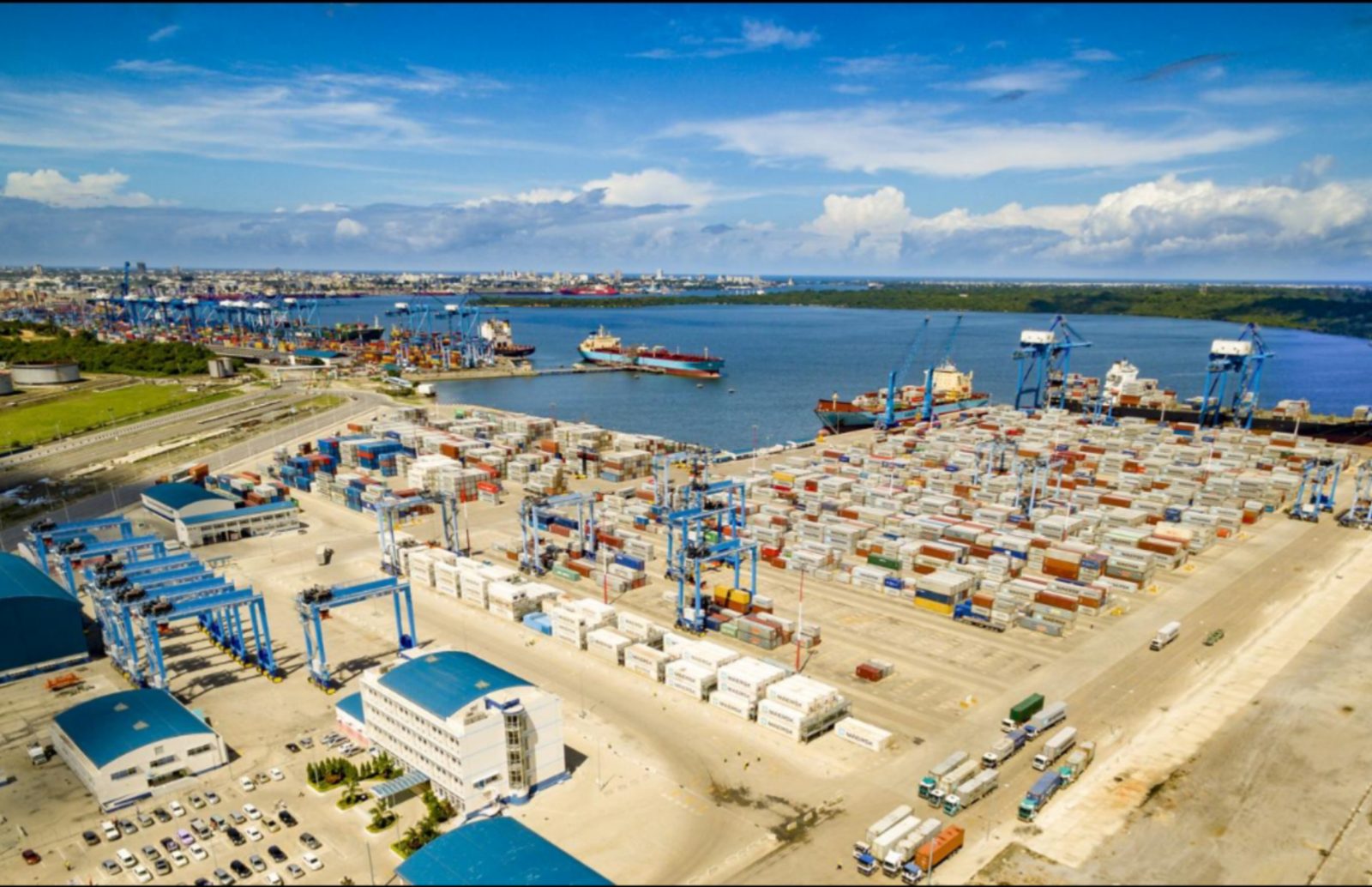
Mombasa Port: The Gateway Connecting East Africa to the World
From shipping goods across continents to supporting regional trade, Mombasa Port remains a critical economic lifeline linking East Africa to global markets and shaping the future of regional integration.

Founder & Chief Editor · 8 August 2026 · 2 min read
By Osmara Digital Media-Mombasa in focus
On the shores of the Indian Ocean stands one of East Africa’s most important economic assets — Mombasa Port, a historic gateway that connects the region to the rest of the world.
For decades, the port has served as a major entry and exit point for goods moving between international markets and East African countries, including Uganda, Rwanda, South Sudan, Burundi and parts of the Democratic Republic of Congo.
Its strategic location has made Mombasa not only a Kenyan asset but a regional economic engine supporting trade, transport, manufacturing and livelihoods across borders. The Heart of East African Trade Every day, thousands of containers carrying manufactured goods, machinery, fuel, agricultural products and raw materials pass through Mombasa Port.
For landlocked countries, the port provides a vital connection to global markets. Businesses in Uganda and other neighbouring countries rely heavily on the Northern Corridor, the transport network linking Mombasa to the interior of East Africa.
The efficiency and expansion of the port directly influence the cost of doing business, prices of goods and competitiveness of regional economies.
A Driver of Regional Integration Mombasa Port represents the importance of cooperation among East African countries. Trade agreements, infrastructure projects and improved transport systems have strengthened connections between the coast and inland markets. The port has become a symbol of how regional partnerships can help African countries overcome geographical challenges and participate more effectively in global commerce.
Creating Jobs and Economic Opportunities Beyond shipping, the port supports thousands of jobs directly and indirectly. Workers in logistics, trucking, warehousing, customs services, shipping agencies and manufacturing depend on activities connected to the port. As Kenya invests in modernising port operations and expanding logistics infrastructure, opportunities are emerging for young people and businesses in the wider coastal region. The Blue Economy Opportunity Mombasa’s future is also linked to the growth of the blue economy. The Indian Ocean offers opportunities in maritime transport, fisheries, marine tourism, ship services and other ocean-based industries. Experts believe that with greater investment, the coastal economy can move beyond traditional tourism and become a major centre for innovation and sustainable ocean-based businesses. Competition and the Future As East Africa grows, regional ports are competing for trade and investment. Countries are investing in infrastructure to improve connectivity and attract global businesses. For Mombasa to maintain its position, continued investment in technology, efficiency, security and modern logistics will be essential. The future of the port will depend on how well it adapts to changing global trade patterns and the growing needs of African economies. A Gateway for Africa’s Future Mombasa Port represents more than ships and containers. It represents opportunity, connectivity and the economic ambitions of a region seeking stronger links with the world. As East Africa pursues industrialisation and deeper integration, Mombasa Port will remain a key gateway — connecting African businesses to global markets and helping drive the continent’s economic transformation.
Founder & Chief Editor
Founder and Chief Editor of Osmara Digital Media. Journalist and historian telling Africa's stories through an African lens, from West Nile to the continent.