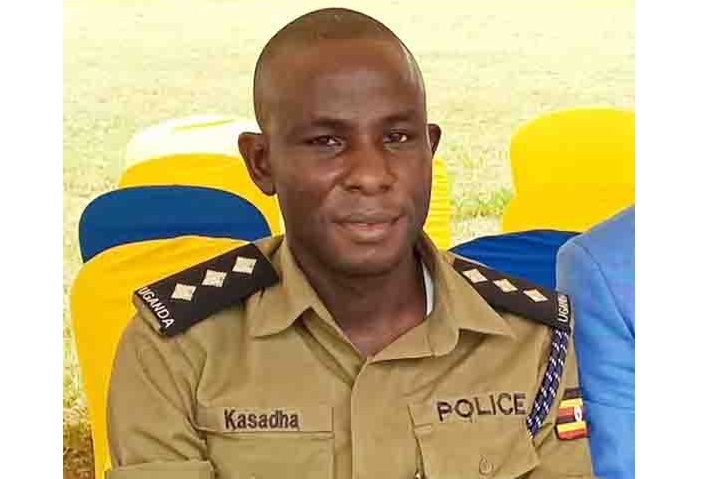
Balaam’s Name All Over the Sand: The Powerful Message Children Are Sending to Corrupt Leaders
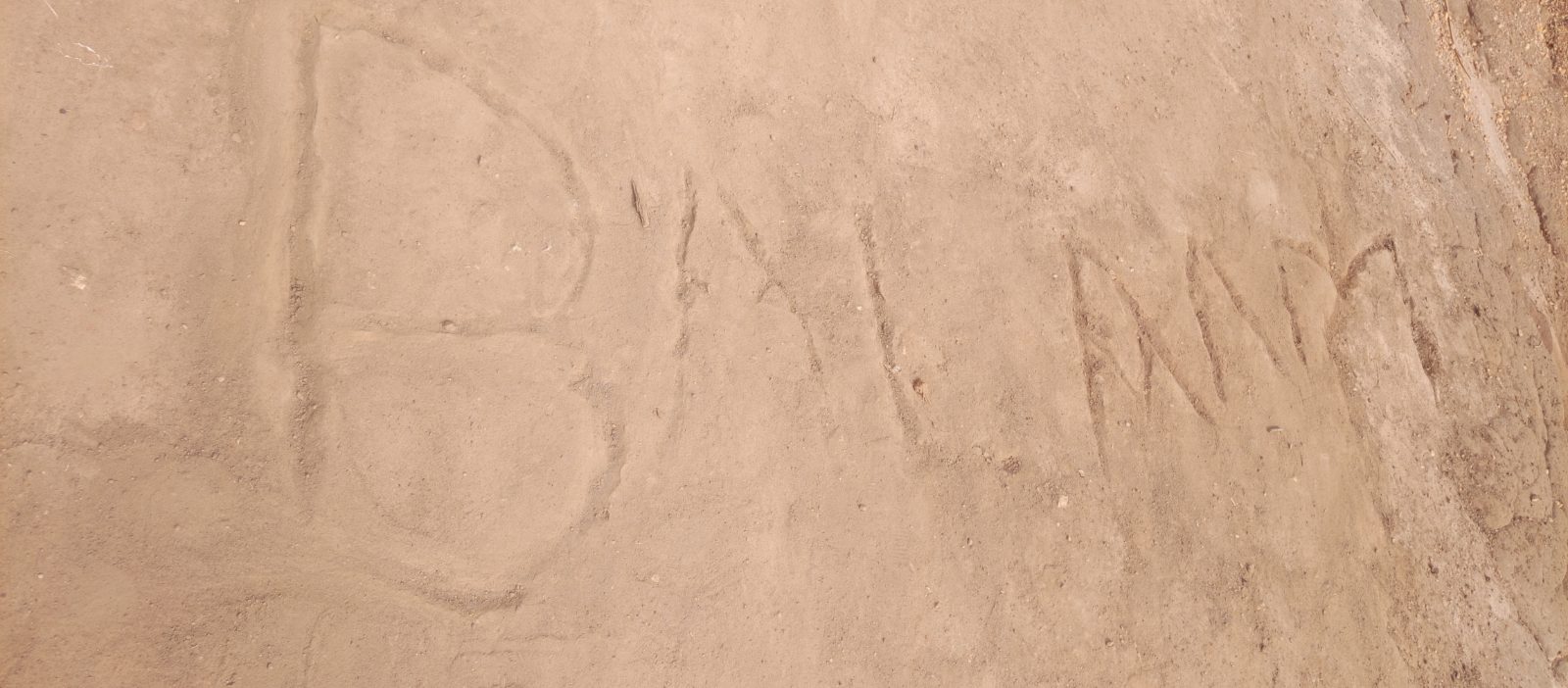
Balaam’s name appearing on the sand has caught Osmara Digital Media’s attention, raising a striking conversation about how children perceive leadership, corruption and accountability.
Founder & Chief Editor · 3 October 2026 · 4 min read
By Osmara Digital Media
It was a simple but striking sight that caught the attention of Osmara Digital Media — the name “Balaam” clearly written on the sand, apparently using a sharp object. The writing was so visible that it immediately prompted Osmara to capture the image and look beyond what could easily be dismissed as an ordinary scene of children playing or writing on the ground.
At first sight, writing a name on sand may appear to be nothing more than children's play. Children often use the ground around them to draw, practise writing, write names or simply pass time. But the repeated appearance of Balaam’s name, particularly in communities across Arua, Maracha, Koboko and Yumbe, presents a more intriguing picture and raises questions about the message the children may be expressing.
The writing is being interpreted as a powerful symbolic message about accountability and corruption, with Balaam’s name being associated by the children with action against officials they believe are involved in wrongdoing. In some of the messages, the idea is expressed through the phrase “Balaam will arrest you,” presenting the name as a warning to leaders who misuse public resources or abuse their positions. What makes the scene particularly remarkable is the simplicity of the medium. There are no printed posters, banners or sophisticated communication tools involved.
Instead, children are using the sand around them to write a name that has become familiar to them, turning ordinary ground into a temporary message board about leadership and accountability. Across West Nile, children encounter public affairs in many ways. Conversations at home, community discussions, radio programmes, television, social media and stories about government activities can all introduce young people to the names of public officials. As these conversations become part of everyday life, children can reproduce what they hear through their own forms of expression, including writing names in the sand.
For Osmara Digital Media, the image therefore goes beyond the physical writing itself. It raises a broader question about how children understand the issues being discussed by adults around them and how national conversations about corruption and accountability can reach even the youngest members of rural communities.
The appearance of Balaam’s name on the sand can also be viewed as an example of how a public figure’s name can take on symbolic meaning among members of a community. To the children writing it, the name appears to carry a message about accountability, although the precise reason each child chose to write it would best be established by speaking directly to them, their parents, teachers and other community members. The phrase “Balaam will arrest you”, where used, should similarly be understood as the children’s expression and not as confirmation that particular officials are corrupt or that arrests have been ordered.
The sand writings themselves cannot establish wrongdoing by any individual, and they should not be treated as evidence of an official investigation. Nevertheless, the image remains powerful because of the contrast between the simplicity of the act and the seriousness of the message. A child does not need a newspaper, microphone or social media platform to express an idea; a stick or sharp object and a patch of sand can become enough to communicate a message that attracts the attention of a media organisation.
The writing will eventually disappear as rain, wind or footsteps erase the marks from the ground, but the photograph captured by Osmara Digital Media preserves the moment and the questions surrounding it. Why are children writing Balaam’s name? What have they heard about him? And what does the message mean to the communities where the writings are appearing?
These are questions that make the image more than an unusual photograph. They turn it into a human-interest story about children, public leadership and the way conversations about accountability are interpreted at community level. For Osmara Digital Media, the decision to capture and report the image was therefore driven by the belief that even the simplest scenes can tell important stories. A name written on sand may disappear with time, but the conversation about what that name represents can reach much further.
In the communities of Arua, Maracha, Koboko and Yumbe, the sight of Balaam’s name on the sand offers a striking reminder that public conversations do not remain confined to government offices, political meetings or media platforms. They can find their way into everyday life — even into the hands of children writing on the ground.
Founder & Chief Editor
Founder and Chief Editor of Osmara Digital Media. Journalist and historian telling Africa's stories through an African lens, from West Nile to the continent.
Related stories
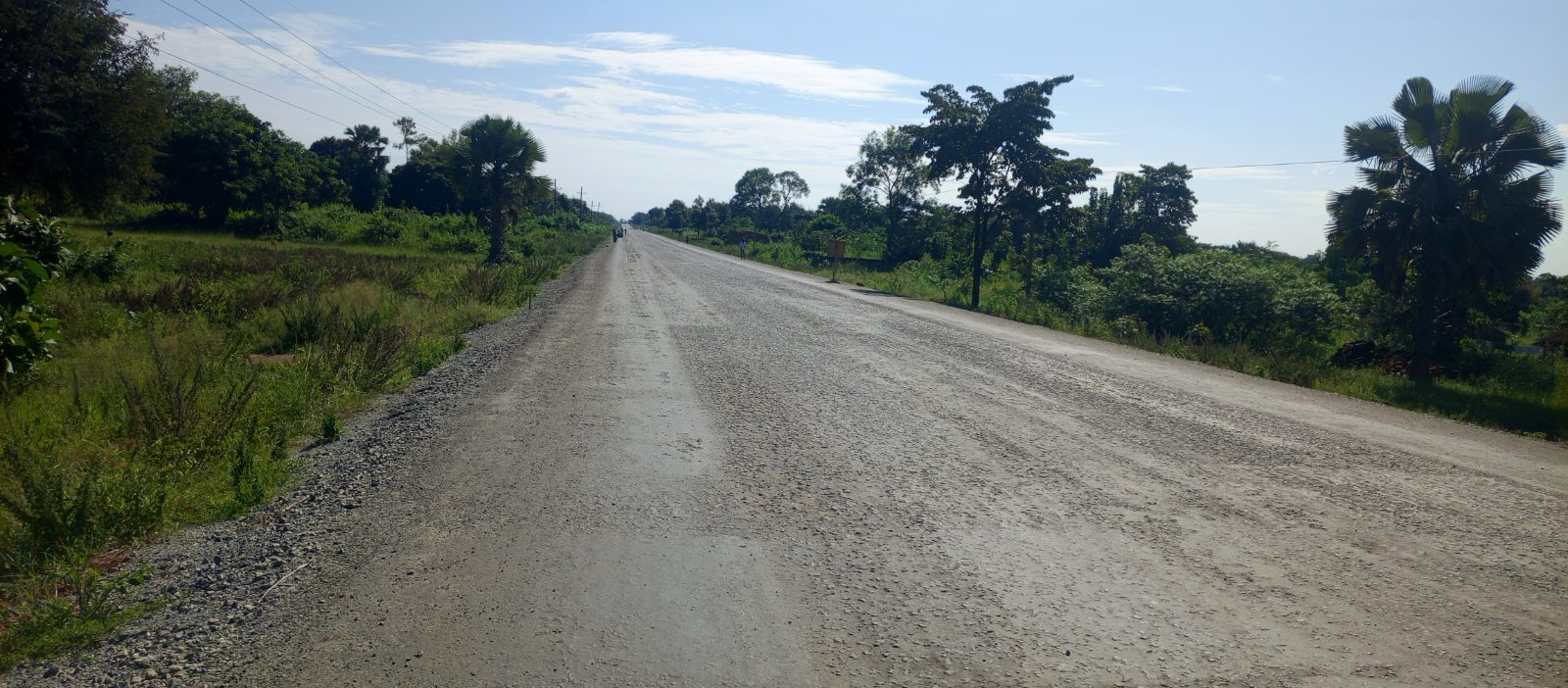
Koboko–Yumbe–Moyo Road Upgrade Set to Boost Trade, Agriculture and Investment Across West Nile
West Nile Districts Showcase Talent and Unity Through Football Tournament in South Sudan
Yumbe Town’s Urban Development Gains Momentum as Drainage Works Transform Commercial Centre