After Moses Ali: Inside the Battle to Take Over Adjumani’s Political Crown
Electoral Commission sets September 17, 2026, for the Adjumani West parliamentary by-election, opening a new political contest following the death of veteran legislator Gen. Moses Ali.
Founder & Chief Editor · 9 August 2026 · 5 min read
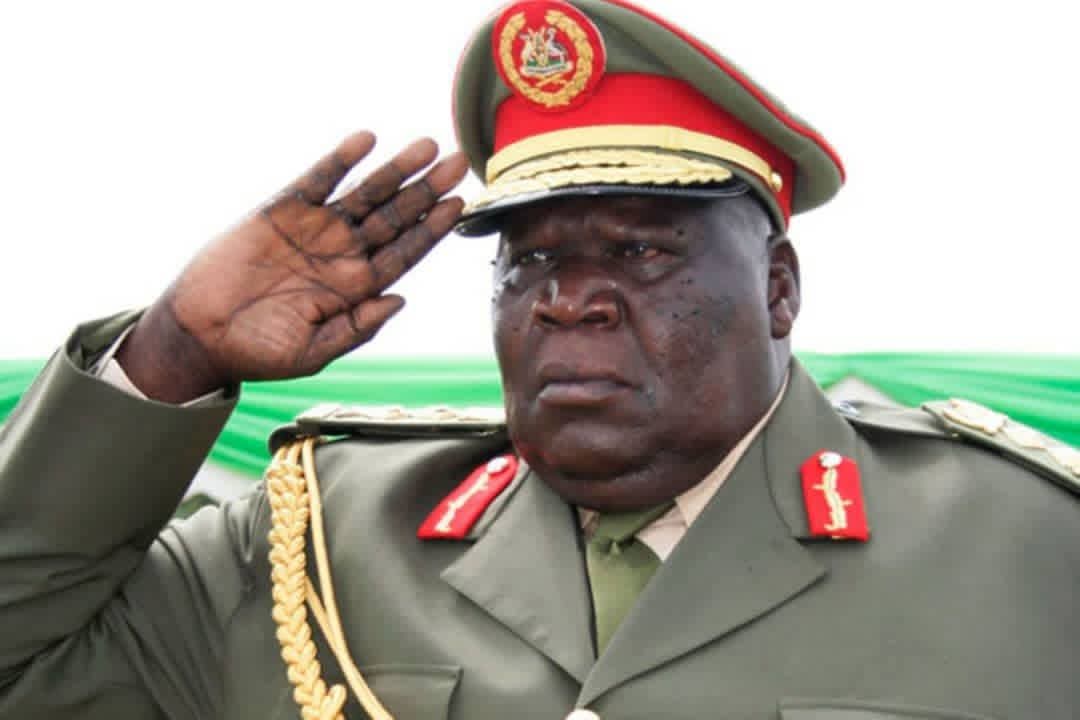
ADJUMANI-UGANDA:The Electoral Commission has announced September 17, 2026 as the date for the Adjumani West parliamentary by-election, setting the stage for a closely watched political contest to replace the late Gen. Moses Ali and usher in a new chapter of leadership in the constituency.
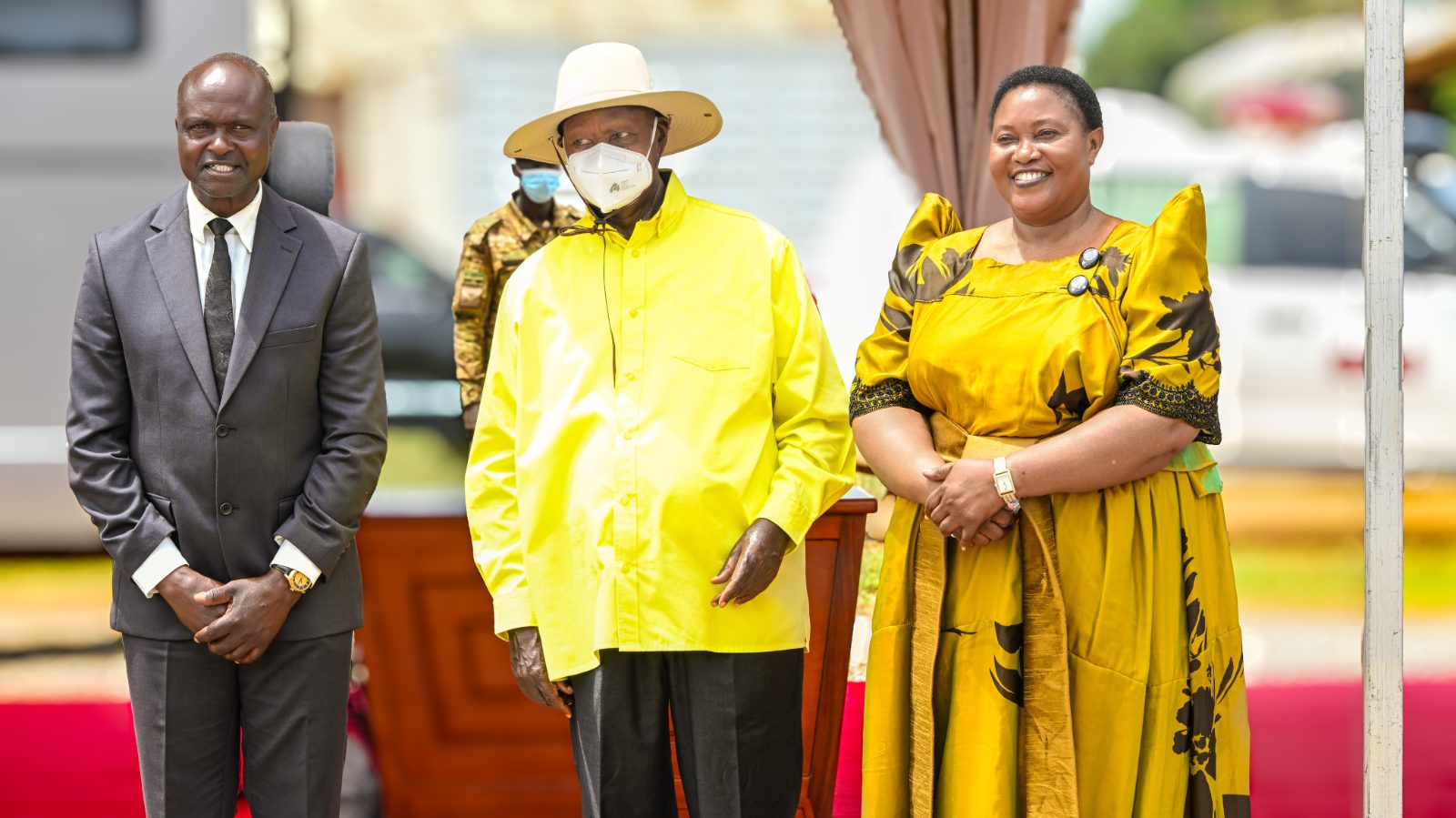
The by-election follows the death of Moses Ali, one of Uganda’s longest-serving and most influential politicians, who died on July 18, 2026. His death left vacant the parliamentary seat he had won again in the January 2026 general election, bringing an end to a political career that had made his name almost synonymous with Adjumani West.
With the Electoral Commission now setting the polling date, political attention is shifting rapidly towards the candidates, political parties and alliances that will compete for the seat. The contest has attracted interest beyond Adjumani because it will be the first major electoral test in the constituency since the death of the veteran politician who dominated its politics for decades.
The big question facing voters is whether the by-election will produce a candidate who will continue with Moses Ali’s political legacy or whether it will open the door for a new generation of leadership.
Moses Ali’s departure has created a unique political situation. Unlike an ordinary parliamentary contest, the election carries the weight of replacing a politician whose career stretched across generations and whose influence extended from local politics to the national stage. His political legacy, however, does not automatically translate into electoral support for whoever seeks to succeed him. Every candidate entering the race will have to build their own relationship with voters and demonstrate that they can effectively represent the interests of Adjumani West in Parliament.
A seat that has suddenly become highly contested The January 2026 general election showed that Adjumani West was not politically uncontested. Moses Ali won the seat on the National Resistance Movement ticket with 12,854 votes, while his closest challenger, FDC candidate Patrick Tandrupasi, obtained 11,770 votes.
The relatively narrow gap between the two leading candidates could add significance to the September contest. With Moses Ali no longer on the ballot, political parties and candidates have an opportunity to reorganise their strategies and appeal to voters who may now be open to a different choice.
The by-election could therefore become a fresh contest rather than simply a repeat of the January election.
NRM faces the Moses Ali succession question For the ruling NRM, the election presents an important test of whether the party can retain a constituency that had been strongly associated with one of its most prominent figures. The party will need to select a candidate capable of attracting support beyond the political networks traditionally associated with Moses Ali. Whoever receives the NRM flag will face the challenge of convincing voters that they can provide effective representation while also maintaining the political connections and development priorities associated with the late General.
The question of whether voters will support continuity or demand change could become central to the campaign.
Opposition sees an opportunity
Opposition parties are also likely to regard the by-election as an opportunity to challenge the NRM. Patrick Tandrupasi’s performance in the January election gives the opposition a starting point, but the political circumstances have changed considerably since then. A by-election can produce different voting patterns depending on the candidates, campaign strategies, alliances and level of mobilisation.
The opposition will therefore face its own challenge of identifying a candidate capable of bringing together different groups of voters and turning the vacancy into an electoral opening.
Will Moses Ali's political legacy influence voters?
The late General's political legacy is likely to remain a major theme throughout the campaign. For some voters, his decades of service could create a desire for continuity and stability. Others may see his death as an opportunity to move beyond the politics of the past and give younger leaders a chance to take responsibility for the constituency.
The debate could become particularly intense if candidates attempt to present themselves as the true custodians of Moses Ali's political legacy. But voters may ultimately be more interested in what the candidates can offer them now.
Youth and the future of Adjumani West
Young people are expected to play an important role in the election, particularly because many of the issues affecting them are directly linked to political representation. Employment, education, entrepreneurship, agriculture, access to technology and economic opportunities are likely to feature prominently in campaign discussions. A candidate who can articulate a credible vision for young people may be able to distinguish themselves from politicians relying primarily on established political networks.
The election could therefore become a test of whether Adjumani West is ready for a generational transition in its political leadership.
More than a parliamentary seat
The importance of the election extends beyond the boundaries of Adjumani West. Adjumani occupies a strategic position in northern Uganda because of its proximity to South Sudan, with cross-border trade, security, agriculture and regional economic activity forming part of the constituency's wider interests.
The next MP will inherit the responsibility of raising these issues in Parliament while remaining accountable to voters at the grassroots.
Residents will also expect their representative to address practical concerns such as roads, healthcare, education, water, agriculture and employment.
The battle begins
With September 17 now set as polling day, the political competition in Adjumani West is entering a new phase. Candidates will have to persuade voters that they are not merely seeking to occupy the seat left behind by Moses Ali but are capable of providing a new and effective form of representation.
For the political parties, the contest will test their strength on the ground. For the candidates, it will be an opportunity to establish themselves in Adjumani politics. And for voters, it will be a chance to decide what kind of leadership they want after the end of the Moses Ali era.
The question facing Adjumani West is no longer simply who will replace Gen. Moses Ali.
It is whether the constituency will choose continuity, change or a completely new political direction.
Founder & Chief Editor
Founder and Chief Editor of Osmara Digital Media. Journalist and historian telling Africa's stories through an African lens, from West Nile to the continent.