13 August: Five Things Every Voter Should Watch in Zambia’s Election
Zambia heads to the polls on August 13 with Hakainde Hichilema seeking a second term, as voters weigh the economy, copper wealth, opposition unity, the cost of living and the future of the country’s democracy.
Founder & Chief Editor · 7 August 2026 · 4 min read
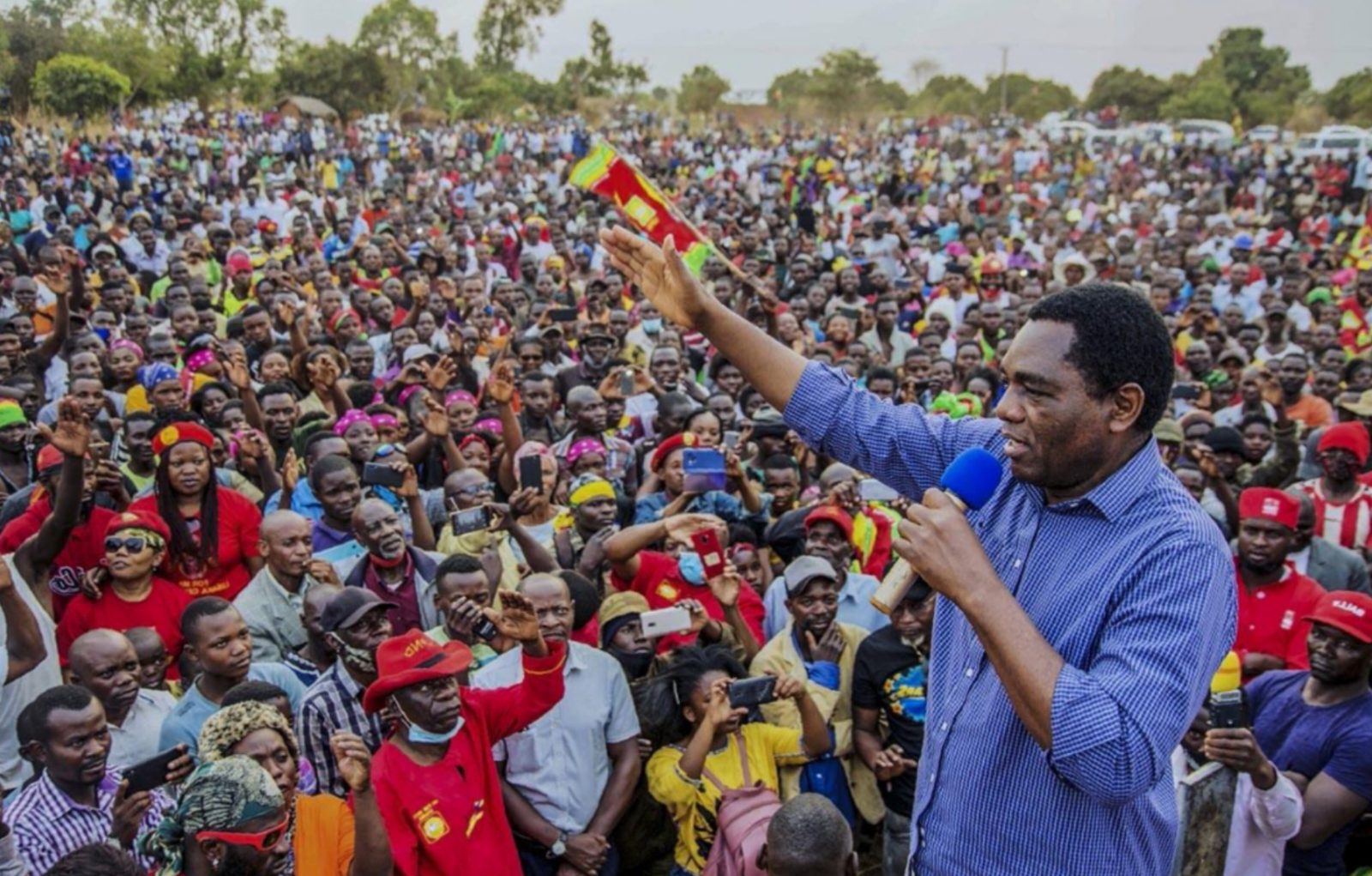
LUSAKA, Zambia — As Zambia prepares to vote on 13 August 2026, attention is turning to the issues and political dynamics that could shape the presidential and parliamentary elections.
President Hakainde Hichilema is seeking a second term, while a crowded opposition field is attempting to challenge his administration. Reporting by Reuters and analysis by the Institute for Security Studies (ISS Africa) highlight the economy, mining, cost of living, political competition and democratic institutions as important issues surrounding the election.
- The economic verdict The first question is whether voters believe Hichilema's economic policies have improved their lives. Hichilema came to power in 2021, inheriting an economy in debt distress following Zambia's sovereign debt default. His administration has since pursued debt restructuring, fiscal reforms and efforts to restore investor confidence.
Reuters reports that the 2026 election will put Hichilema's economic record to the test, with investors watching whether a second term can deliver sustained, job-creating growth. But economic recovery at the national level does not necessarily mean every household is feeling better off. The key question for voters: Has economic stabilization translated into better living standards? Source: Reuters, “Zambia election will put Hichilema's economic record to test,” 9 July 2026.
- The copper question Copper remains at the centre of Zambia's economic ambitions. According to Reuters, Zambia is targeting annual copper production of 3 million metric tonnes, while mining companies are seeking more reliable electricity, infrastructure investment, exploration incentives and greater local processing. Reuters reports that mining contributes about 9% of Zambia's GDP and nearly half of government revenue, making the sector critical to the country's economic future. The expansion also presents challenges. Reuters reports that Zambia could require an additional 2,000 megawatts of electricity capacity to support the planned growth in copper production. For voters in the Copperbelt and mining communities, the question is not simply how much copper Zambia produces.
Will the country's mineral wealth create more jobs, investment and opportunities for ordinary citizens? Source: Reuters, “Zambia miners eye election with hopes of support for copper expansion,” 4 August 2026.
- Can the opposition unite? Hichilema's opponents face the challenge of competing against an incumbent in a crowded presidential field. ISS Africa reports that Zambia has a record 26 presidential candidates, with 14 approved at the time of its June assessment. The organisation says the large field reflects both political openness and significant fragmentation within the opposition. That fragmentation could benefit Hichilema if opposition support is divided among several candidates.
The question is whether opposition parties can convert dissatisfaction with the government into a sufficiently strong and unified electoral challenge. Source: Institute for Security Studies (ISS Africa), “Elections 2026: Is Zambia's democratic success story beginning to fray?”
- What happens to Zambia's democracy? The election will also be a test of Zambia's democratic institutions. ISS Africa notes that Zambia has a history of peaceful transfers of power between political parties, but raises concerns about electoral reforms, political competition and institutional independence ahead of the 2026 elections.
The organisation also highlights changes to Zambia's electoral and parliamentary framework, including an expansion of directly elected constituencies and reserved representation for women, youth and persons with disabilities. The credibility of the election will therefore depend not only on the final result but also on whether voters and political parties regard the electoral process as fair and transparent. Will Zambia maintain its reputation for peaceful political transitions? Source: Institute for Security Studies (ISS Africa), “Elections 2026: Is Zambia's democratic success story beginning to fray?”
- The youth and cost-of-living vote Economic pressures could be particularly important in determining voter behaviour. ISS Africa identifies cost of living, unemployment and unreliable electricity among the concerns facing voters despite improvements in some economic indicators. For young Zambians, the election is likely to be judged against practical issues such as employment, skills, entrepreneurship and opportunities for the future.
The government will argue that economic reforms need more time to deliver their full impact, while opposition parties will seek to persuade voters that progress has been insufficient. The question is whether voters will prioritize economic continuity or demand faster and more visible change.
Source: Institute for Security Studies (ISS Africa), “Elections 2026: Is Zambia's democratic success story beginning to fray?” What is at stake?
The 13 August election is ultimately a contest between continuity and change. Hichilema is asking voters for another term to consolidate his economic reforms, attract investment and expand Zambia's mining and development ambitions. The opposition, meanwhile, is seeking to convince voters that the government's record has not delivered enough improvements in their daily lives and that the country needs a different direction. The election will therefore provide a verdict not only on Hichilema's presidency, but also on Zambia's economic recovery, copper ambitions and democratic trajectory. On 13 August, Zambians will decide whether to give Hichilema another five years — or open a new chapter in the country's political history. Sources Reuters — reporting on Zambia's 2026 presidential election and Hichilema's economic record, 9 July 2026. Reuters — reporting on Zambia's copper industry, mining investment and electricity needs, 4 August 2026. Institute for Security Studies (ISS Africa) — analysis of Zambia's 2026 elections, opposition fragmentation, electoral reforms and democratic institutions.
Founder & Chief Editor
Founder and Chief Editor of Osmara Digital Media. Journalist and historian telling Africa's stories through an African lens, from West Nile to the continent.