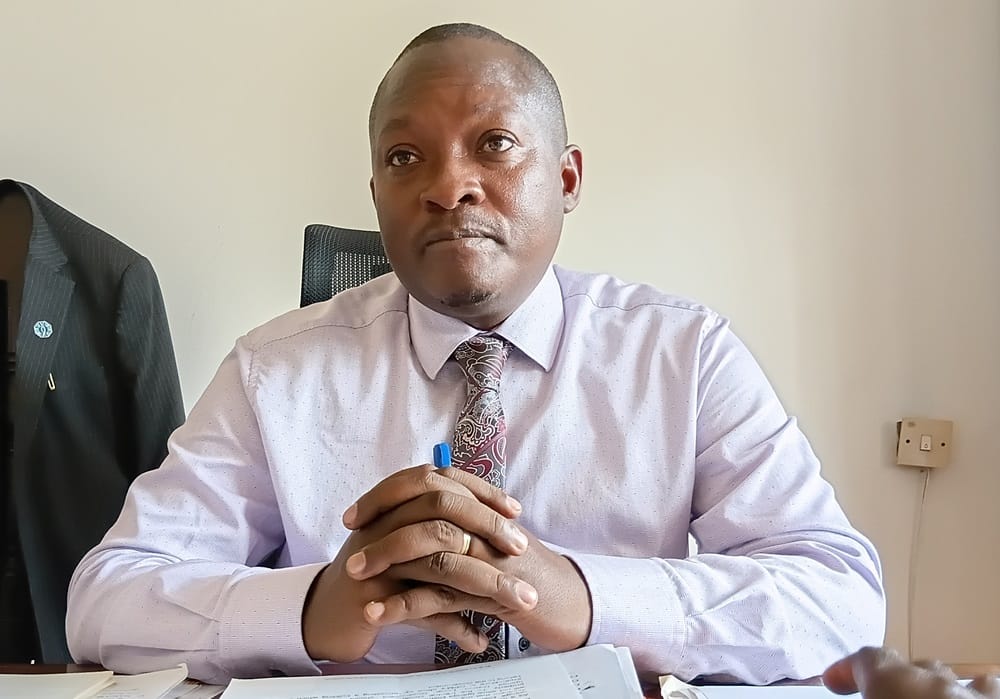
Iganga RDC Sewandiji Supports Over 800 Needy Pupils with Scholastic Materials, Pledges Sanitary Pads for Girls
Iganga RDC Sewandiji Eric has distributed scholastic materials to more than 800 needy pupils in five primary schools across four sub-counties, while pledging support for girls facing menstrual hygiene challenges.
Founder & Chief Editor · 26 September 2026 · 6 min read
By Barasa Richard
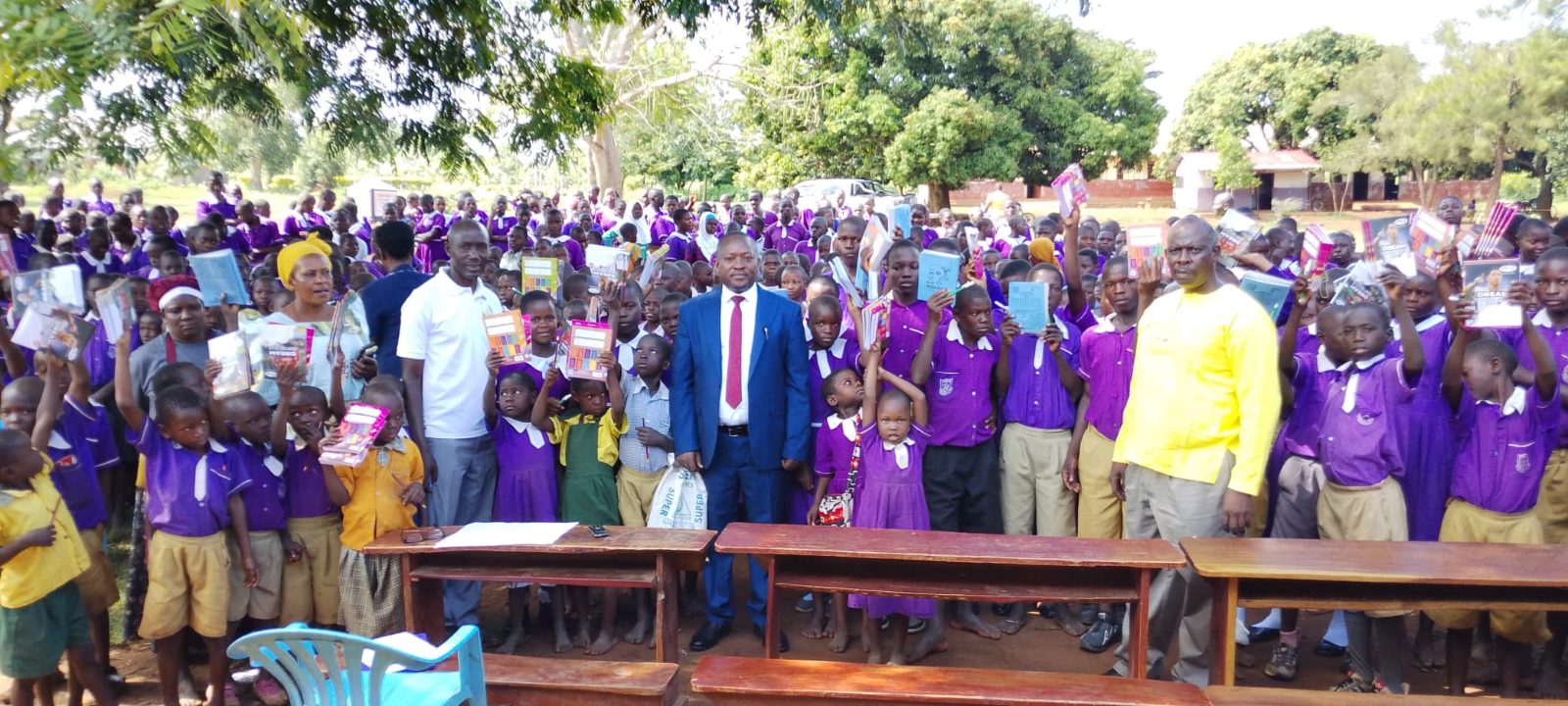
IGANGA, Uganda – The Resident District Commissioner (RDC) for Iganga District, Mr. Sewandiji Eric, has distributed scholastic materials to more than 800 needy primary school learners in four sub-counties, in an initiative aimed at improving school attendance, academic performance and retention among vulnerable children.
The distribution exercise covered Namungalwe, Kidago, Nawaninji and Nabitende sub-counties, where learners from five primary schools received exercise books, pens, pencils, school bags and other essential learning materials to support their education.
The intervention seeks to ease the financial burden on low-income families and ensure that children from disadvantaged backgrounds are not denied access to education because of a lack of basic scholastic requirements.
Speaking during the exercise, Mr. Sewandiji said the initiative reflects his commitment to supporting vulnerable learners and complementing government efforts to improve access to education, particularly in rural communities. "Education is the foundation of development. No child should miss school because they lack a book or a pen. As government, we have a responsibility to support our children to learn," Mr. Sewandiji said.
He noted that many children in rural communities continue to face challenges accessing basic school supplies, affecting their attendance, participation in class and ability to remain in school. The RDC urged learners to remain focused on their studies, work hard and avoid dropping out, while calling on parents to prioritise education and fulfil their responsibility of supporting their children's academic journey. He added that government programmes, including Universal Primary Education (UPE), remain central to expanding access to education, but community-level interventions are important in addressing the specific needs of vulnerable learners.
Leaders Applaud RDC's Education Initiative Local government leaders, including sub-county chairpersons, district councillors, women leaders and school administrators, commended Mr. Sewandiji for extending educational support to children in the beneficiary communities.
Namungalwe Sub-county Chairperson, Mr. Silingisi Anthony, thanked the RDC for considering learners in rural schools, noting that many parents are struggling to meet the cost of scholastic materials amid prevailing economic difficulties. He said the intervention had restored hope among children who previously struggled to attend classes because they lacked basic learning requirements. Nabitende Sub-county Chairperson, Hon. Namukobe Lydia, described the initiative as an example of leadership that recognises the educational needs of children, particularly those in hard-to-reach communities.
She observed that some learners in Nabitende have been missing school because their parents cannot afford books and other essential supplies. District councillors representing Namungalwe, Kidago and Nawaninji also praised the RDC's direct engagement with schools and communities, saying such initiatives help bring government services closer to the people.
The leaders pledged to continue supporting education programmes and called on other political leaders, non-governmental organisations and well-wishers to contribute towards improving learning conditions across the district.
Schools Report Improved Attendance and Classroom Participation
Headteachers from the beneficiary schools welcomed the intervention, saying the materials would help address some of the challenges affecting attendance and participation, particularly among orphans and children from economically disadvantaged households. The headteachers said many pupils had previously reported to school without exercise books or pens, limiting their ability to complete class assignments and participate fully in lessons.
At Namungalwe and Kidago primary schools, teachers reported improvements in attendance in lower classes following the distribution, with figures said to have risen from about 70 per cent to more than 95 per cent. At Nawaninji Primary School, teachers said the provision of exercise books had enabled learners to maintain separate books for different subjects, improving organisation and completion of classwork. School administrators also reported increased confidence among vulnerable pupils, particularly orphans and children from poor families who had previously struggled with torn or inadequate learning materials.
Kidago Primary School Headteacher, Madam Babirye Florence, said the school had been experiencing difficulties associated with parents' inability to provide scholastic requirements, expressing optimism that the support would encourage more children to attend school. Other headteachers said the intervention had improved learners' concentration and motivation, while reducing the financial pressure on parents. The school leaders added that continued support from government officials, community leaders and development partners would be important in sustaining the reported gains and preventing school dropout.
RDC Pledges Support for Girls Facing Menstrual Hygiene Challenges
During the exercise, girls from primary schools in Iganga District raised concerns over the lack of sanitary pads, revealing that some have been forced to use old clothes, pieces of mattresses and sponges during menstruation. The learners said the shortage of sanitary products has forced some of them to remain at home for three to five days every month, affecting their studies and classroom participation.
A Primary Six pupil from Nawaninji Primary School, who requested anonymity, said some girls experience discomfort and fear embarrassment when they attend school during their menstrual periods without proper sanitary materials. "We suffer a lot. Sometimes we stay at home because we have no pads. We use old clothes which make us get wounds and we fear to come to school," the pupil said. Headteachers confirmed that menstrual hygiene remains a challenge for girls in upper primary classes, with some learners missing lessons during their periods. The Headteacher of Namungalwe Primary School reported that at least 15 out of 40 girls in Primary Six and Primary Seven miss school each month because of menstruation-related challenges.
Teachers expressed concern that inadequate menstrual hygiene support contributes to absenteeism and increases the risk of girls falling behind academically or dropping out of school altogether. The girls' concerns prompted Mr. Sewandiji to pledge to mobilise support for sanitary pads, emphasising the need to protect the girl child and ensure that menstruation does not become a barrier to education. Sub-county chairpersons, district councillors and women leaders present at the exercise called on government, NGOs and other development partners to incorporate sanitary pads into school support programmes. The girls appealed to district leaders and the Ministry of Education and Sports to consider providing free sanitary pads in schools to enable them to attend classes regularly and participate equally with boys.
RDC Calls for Collective Responsibility in Education
In his remarks, Mr. Sewandiji thanked local leaders, school administrators and community members for their cooperation in supporting the education of vulnerable children. He urged leaders to strengthen monitoring of schools and ensure that learners benefit from government programmes, including UPE, while encouraging parents to remain actively involved in their children's education.
The RDC also called upon well-wishers, civil society organisations, NGOs and other development partners to join efforts aimed at supporting needy learners across Iganga District. He pledged to continue mobilising resources and support for schools, particularly those serving vulnerable communities. The beneficiaries expressed gratitude to the RDC and other leaders, promising to use the scholastic materials responsibly and work hard to improve their academic performance.
The exercise in Namungalwe, Kidago, Nawaninji and Nabitende highlights the role of community-level support in addressing barriers to education, with local leaders calling for sustained interventions to ensure that every child has an opportunity to complete primary school and pursue further education. Osmara Digital Media | Africa in Focus
Founder & Chief Editor
Founder and Chief Editor of Osmara Digital Media. Journalist and historian telling Africa's stories through an African lens, from West Nile to the continent.